NZT Power Begins Construction of 742MW Carbon-Capture Plant
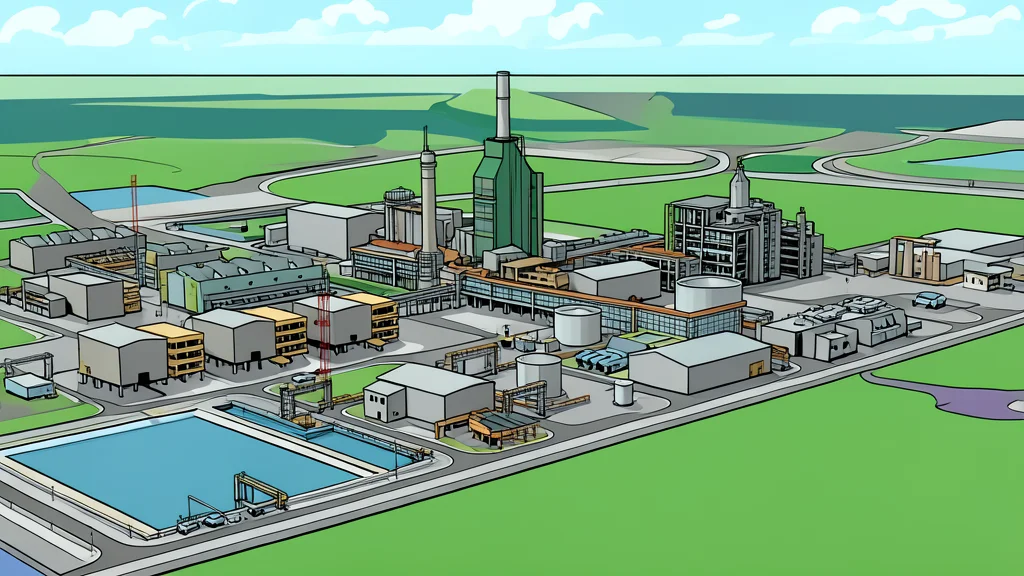
Technip Energies leads the build of the UK's first commercial-scale gas plant with integrated carbon capture at Teesside.
Key points
- NZT Power will generate 742MW of electricity and capture CO2 for storage 145km offshore.
- Technip Energies leads the consortium, with GE Vernova supplying turbines and Shell providing capture tech.
- BP withdrew a linked hydrogen plant application in December 2025, leaving the power plant and CCS as the core deliverables.
Construction has commenced on the world’s first commercial-scale gas power plant with integrated carbon capture and storage (CCS) at Teesside. The NZT Power facility, developed by a joint venture between BP and Equinor, is designed to generate up to 742MW of electricity, meeting the annual demand of over one million UK homes. The project marks a significant step in decarbonizing industrial energy production by capturing flue gases for permanent offshore storage.
Technip Energies serves as the consortium leader, responsible for delivering the carbon capture plant, system integration, and start-up operations. The final investment decision was announced in December 2024, followed by the signing of the engineering, procurement, and construction contract in early 2025. This integrated approach ensures that power generation and carbon removal are designed as a single value chain rather than separate utilities.
Logistics for massive turbine delivery
The physical construction is currently centered on the arrival of the main gas turbine, scheduled for September. Balfour Beatty, the primary construction subcontractor, has completed the massive reinforced concrete foundations required to support the unit. The turbine will travel from Belfort in France to Redcar on England’s northeast coast, a complex logistical operation that dictates the immediate construction schedule.
Technical integration for efficiency
GE Vernova is supplying the core thermal components, including the gas and steam turbines, generator, and heat recovery steam generator. A key efficiency feature is the exhaust gas recirculation system, which recycles carbon-dioxide-rich flue gas back to the turbine inlet. This process increases the concentration of CO2 in the exhaust, reducing the volume of solvent and energy required for capture, thereby lowering operational costs.
Offshore storage and consortium roles
Shell Catalysts & Technologies provides the carbon capture technology, while the captured CO2 will be compressed and piped 145km to a saline aquifer offshore. This storage infrastructure is part of the East Coast Cluster, managed by the Northern Endurance Partnership comprising BP, Equinor, and TotalEnergies. Although a planned 600MW hydrogen plant was withdrawn from the cluster in late 2025 due to planning conflicts and demand concerns, the power and storage projects remain interdependent.