Saudi Pipeline Hit by Drones, Trump Blames Iran
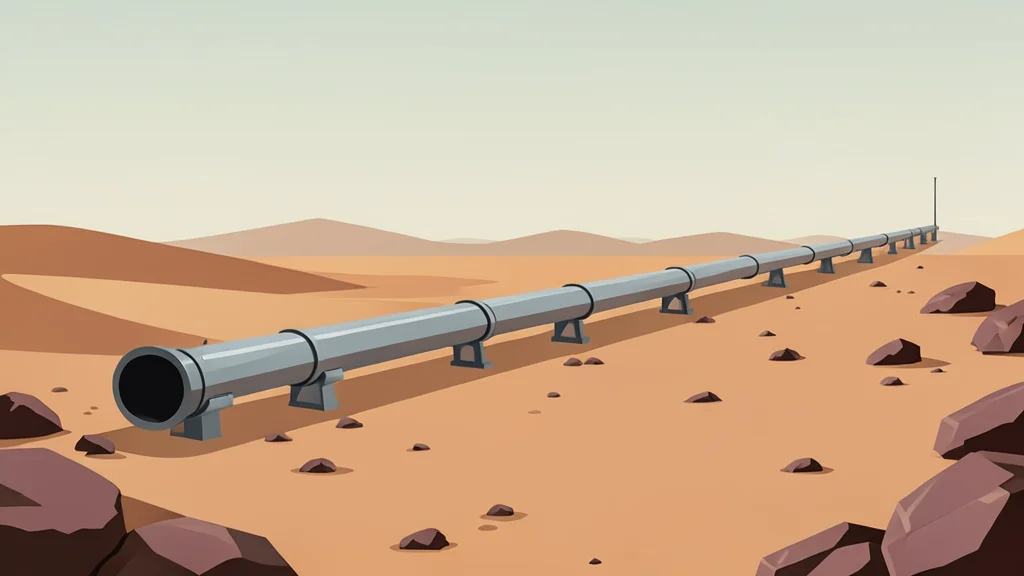
The East-West Pipeline was damaged by drone strikes, forcing a shutdown that threatens Saudi Arabia's vital oil export route to the Red Sea.
Saudi Arabia has shut down its critical East-West Pipeline following drone attacks that caused physical damage and injuries. The closure disrupts the primary export route for approximately 5 million barrels of crude oil per day, which had been rerouted to the Red Sea port of Yanbu to bypass the Strait of Hormuz. This infrastructure failure directly impacts the kingdom's ability to move hydrocarbons to international markets during ongoing regional conflict.
US President Donald Trump stated that Iran is likely responsible for the incident, citing the origin of the drones from Iraq. While the Islamic Resistance in Iraq has denied involvement, the attack exacerbates supply chain vulnerabilities. The disruption highlights the growing risk to energy logistics as Houthi forces advance in the Red Sea, forcing Saudi Arabia to rely entirely on this single pipeline for its western exports.
Export Rerouting Faces New Risks
The pipeline serves as a vital lifeline for Saudi oil exports since the Strait of Hormuz became inaccessible. By moving 5 million barrels daily to Yanbu, the kingdom avoided Persian Gulf bottlenecks. However, the recent strikes demonstrate that this alternative route is not immune to military interference. Any prolonged shutdown would immediately reduce global supply availability and increase pressure on competing export channels.
Iraqi authorities have closed several borders as a precautionary measure following the attacks. The government condemned the use of its territory for the strikes and ordered an urgent investigation. This border closure adds logistical complexity to the region, potentially slowing the movement of personnel and equipment needed to assess and repair the damaged pipeline infrastructure.
Diplomatic Tensions Over Energy Security
Saudi Crown Prince Mohammed bin Salman urged the US to strike Houthi targets to secure Red Sea navigation, but the request was declined. The White House emphasized its focus on protecting national security interests and ensuring freedom of navigation, while urging regional partners to manage local security challenges. This diplomatic standoff leaves Saudi Arabia to bear the brunt of the security risks associated with its oil infrastructure.
As the conflict in the region continues, the security of Saudi Arabia's oil resources faces escalating threats. The recent events underscore the fragility of the kingdom's export strategy, which relies heavily on the East-West Pipeline. Market participants must now account for the increased probability of further disruptions to this critical energy artery.
Market Impact of Pipeline Disruption
The shutdown of the East-West Pipeline introduces immediate uncertainty into global oil supply dynamics. With 5 million barrels per day currently dependent on this route, any delay in repairs will tighten physical availability. The incident, reported by GN auto stocks/utilities: gas pipeline sources, signals that geopolitical risks are directly translating into operational constraints for major producers.
Traders should monitor the speed of pipeline restoration and any further Houthi actions in the Red Sea. The convergence of these factors creates a high-risk environment for energy logistics. The current situation demonstrates how regional conflicts can rapidly isolate major oil exporters from key market access points.