Southeast Asia Targets 2032 Nuclear Launch Amid 5.3% Demand Growth
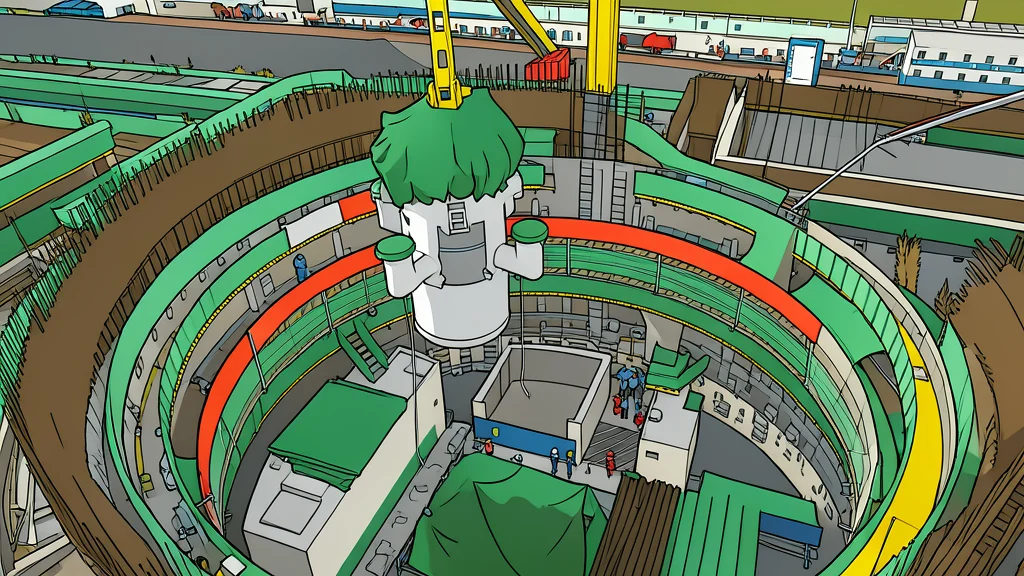
Vietnam and Indonesia plan nuclear capacity by 2032 as regional electricity demand grows 5.3% annually.
Key points
- Vietnam and Indonesia target nuclear operational starts by 2032 and 2035, respectively.
- Coal’s share of regional electricity generation rose to 47% from 37% since 2015.
- Data center electricity consumption in Southeast Asia is expected to double by 2030.
Southeast Asian governments are accelerating nuclear power adoption to manage a 5.3% annual increase in electricity demand projected through 2030. This strategic shift addresses the region's rising dependence on coal, which now accounts for 47% of regional generation, up from 37% in 2015, according to data cited by DW.com.
The push is driven by industrial expansion, electric vehicle adoption, and the rapid growth of data centers. The International Energy Agency forecasts that electricity consumption from these data centers will more than double by 2030, creating a sustained need for reliable, low-carbon baseload power.
National Nuclear Timelines
Vietnam aims to operate its two Ninh Thuan plants by 2035, following a September 8 agreement between Petrovietnam and South Korea’s KEPCO to deepen cooperation on the project. The country also plans to pursue at least one small modular reactor (SMR) initiative.
Indonesia targets an initial 500 megawatts of nuclear capacity, with units scheduled to begin operating in 2032. The Philippines is working toward its first 1,200 MW of nuclear capacity from the same year, while Thailand’s latest draft power plan proposes its first SMR for 2037.
Singapore and Malaysia remain at the study stage. Singapore’s government stated in September that it is examining nuclear power and SMRs with an open mind, though it emphasized that no final decision has been made regarding commercial deployment.
Modular Reactor Economics
Small modular reactors are altering the regional energy landscape by offering smaller units that can be deployed in stages. This design allows for incremental investment and compatibility with smaller grids, addressing the high upfront costs and long construction periods associated with conventional large-scale reactors.
However, many SMR designs remain in early deployment stages. Experts note that promises of reduced construction costs through mass production have not yet been demonstrated on a broad commercial scale, leaving economic viability as a key factor in future adoption decisions.
Security and Climate Drivers
Geopolitical shocks, including the war in Ukraine and ongoing Middle East crises, have heightened energy security concerns. These factors have reversed the caution that followed the 2011 Fukushima disaster, prompting governments to prioritize nuclear as a viable solution for both climate targets and supply stability.
Most Southeast Asian governments have committed to net-zero emissions by 2050 or 2060. Nuclear energy is increasingly viewed as essential to balancing these environmental goals with the region’s growing need for secure, reliable electricity infrastructure.