Strategic Pipeline Closure Drives Energy Costs Higher

Precautionary shutdown of the East-West pipeline after attacks pushes Brent crude to $107.29 and European gas prices to a 2022 high.
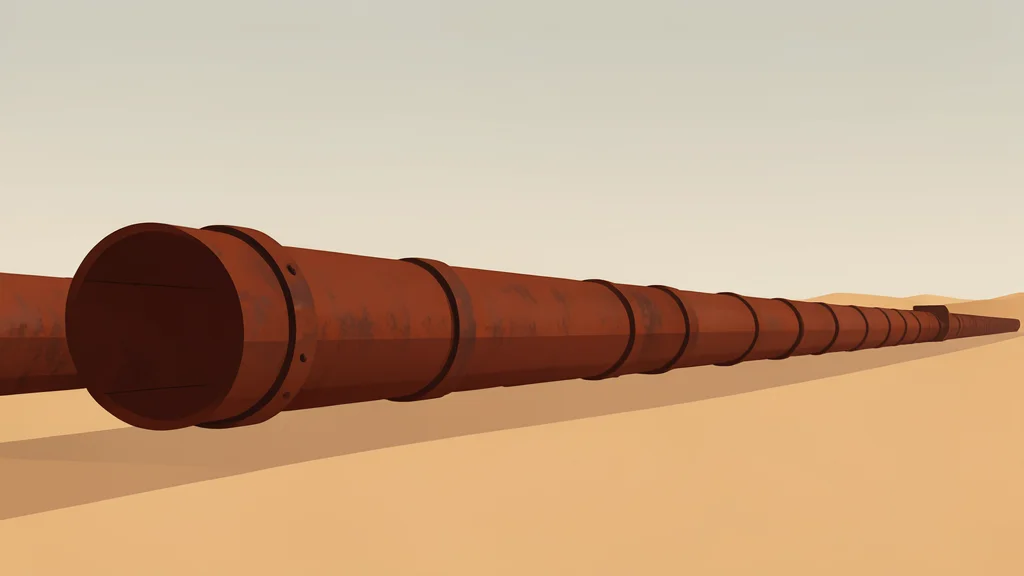
Oil and gas markets reacted sharply to the precautionary closure of Saudi Arabia's East-West pipeline on Friday. The shutdown, implemented following recent attacks, has removed a critical supply route that had gained strategic value as tanker traffic through the Strait of Hormuz became more cautious. This disruption directly impacts global pricing benchmarks, forcing traders to adjust to reduced immediate supply availability.
The immediate financial impact is visible in benchmark crude prices. Brent crude, the international standard, rose by 2.6 percent to reach 107.29 dollars per barrel. Similarly, US West Texas Intermediate (WTI) crude increased by the same 2.6 percent margin, settling at 102.68 dollars per barrel. These gains reflect a direct cause-and-effect relationship between the physical supply interruption and the market's valuation of remaining inventory.
European Gas Prices Hit Recent Peak
The ripple effects extend to the European natural gas sector, where prices are climbing on the leading Dutch futures market. A megawatt-hour of natural gas is currently trading above 83 euros, representing a 5 percent increase. This level marks the highest price point recorded since December 2022, indicating a significant tightening in the regional gas market.
This surge is part of a broader upward trend, with European natural gas prices nearly tripling over the course of this year. The combination of the pipeline closure and sustained higher trading volumes is altering the cost structure for energy-intensive industries in Europe. Businesses relying on gas for heating or industrial processes now face materially higher input costs compared to the start of the year.
Supply Route Security Concerns Grow
The strategic importance of the East-West pipeline has increased significantly as alternative routes face operational challenges. With tankers exercising greater caution in the Strait of Hormuz, this overland route has become a vital artery for global energy distribution. The uncertainty surrounding the timeline for its reopening introduces a persistent risk premium into energy contracts.
Market participants are currently operating without a confirmed date for the pipeline's resumption of operations. This lack of forward visibility prevents traders from fully normalizing their pricing models, keeping volatility elevated. The situation highlights the fragility of global energy logistics, where physical infrastructure disruptions translate directly into financial market adjustments.
Market Data From Belga Report
These figures and the context of the pipeline closure were reported by Belga, the Belgian news agency. The agency provides rapid and high-quality information on economic and financial sectors, including the energy markets. Their reporting confirms the specific price points and the precautionary nature of the Saudi decision, offering a factual basis for the current market movements.
The data underscores a clear market response to geopolitical risk. As the East-West pipeline remains closed, the pressure on global oil and gas prices is likely to persist. Investors and corporate planners must account for these elevated costs and the ongoing uncertainty regarding supply chain stability in the near term.