Trilateral Nuclear Pact Reshapes Asia Energy Markets
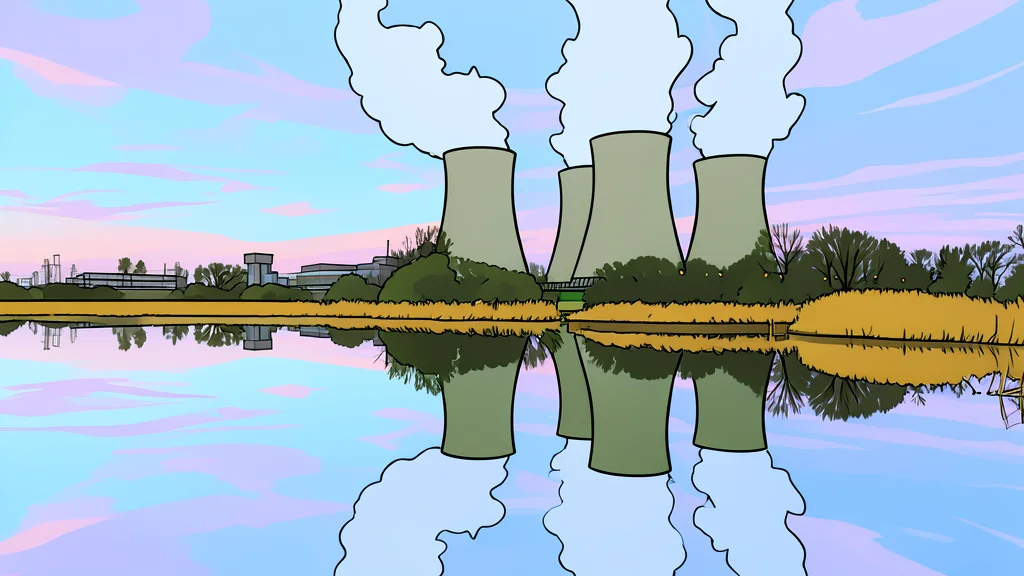
Japan, South Korea, and the US formalize a small modular reactor alliance to secure grid stability and counter external vendor influence.
Japan, South Korea, and the United States have formalized a trilateral agreement focused on small modular reactors (SMRs), marking a decisive shift in Northeast Asian energy strategy. The memorandum establishes a framework for industrial cooperation that prioritizes energy security and grid reliability over traditional fossil fuel dependencies. This alignment is driven by rising electricity demand and the need to reduce exposure to volatile coal, oil, and gas supply chains.
The initiative positions nuclear power as a central pillar of long-term energy planning for both Tokyo and Seoul. By coordinating with Washington, the two Asian nations aim to create a competitive alternative to reactor vendors from China and Russia. The agreement seeks to de-risk project development, achieve economies of scale, and catalyze private investment through streamlined licensing and optimized supply chains.
Strategic Coordination in Nuclear Industry
The US Department of State described the pact as a mechanism to leverage complementary advantages among the three nations' civil nuclear sectors. The framework targets specific operational inefficiencies, aiming to foster fleet deployment models that lower development risks. By standardizing approaches to licensing and supply chain management, the alliance intends to make nuclear projects more financially viable for private stakeholders.
This cooperation extends beyond mere technology transfer to include broader security architecture. The agreement reflects a strategic effort to limit the reach of Chinese and Russian nuclear vendors in the region. By aligning regulatory and industrial standards, the three countries are reshaping the competitive landscape for nuclear infrastructure in Asia and potentially beyond.
Balancing Safety and Energy Demand
Despite the strategic benefits, the expansion of nuclear power remains contentious due to enduring safety concerns. In Japan, the 2011 Fukushima disaster continues to influence public sentiment and policy debates, creating a complex backdrop for reactor reactivation. South Korea, however, has maintained a more consistent trajectory of nuclear sector advancement, viewing it as essential for meeting climate action goals and ensuring continuous low-carbon electricity generation.
The success of this trilateral approach hinges on maintaining transparent safety standards and robust oversight. As governments strive to balance climate commitments with energy security, the ability to build public trust becomes a critical factor. The alliance asserts that coordinated efforts will uphold the highest standards of nuclear safety, security, and non-proliferation while meeting growing regional energy demands.