U.S. Rig Count Rises to 591 as Oklahoma Activity Stalls
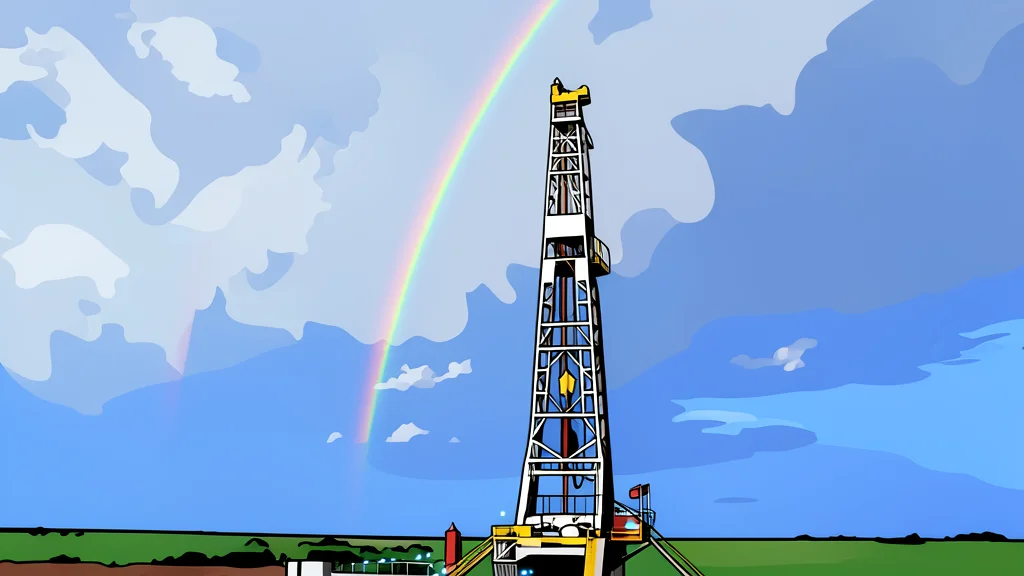
Baker Hughes data shows a modest increase in national drilling activity, with oil and gas operations expanding in key basins while Oklahoma maintains a steady count.
The total number of active oil and gas rigs in the United States increased by three to reach 591, marking a steady rise in drilling activity according to the latest Baker Hughes Rig count. This expansion is driven primarily by gains in oil operations, which climbed to 450 active units, alongside a two-rig increase in gas drilling to 132 units. The data reflects a gradual normalization of production efforts across major onshore basins, with operators maintaining consistent capital deployment strategies.
In Oklahoma, the rig count remained unchanged at 51 active units, indicating that local operators are neither expanding nor contracting their drilling programs this week. The state's flat activity contrasts with the national trend, suggesting that Oklahoma-based firms are prioritizing completion activities or optimizing existing wells over adding new spuds. This stability in the Permian Basin's northern extension highlights a cautious approach to capital allocation in the region.
Regional Divergence in Drilling Activity
Texas continued to lead the nation with 284 active rigs, adding one unit to its total. This increase in the state with the highest drilling density underscores its central role in U.S. shale production. Conversely, New Mexico saw a decline of three rigs to 92, while North Dakota recorded a four-rig gain to reach 28 active units in its oil-producing region. Louisiana also added one rig to its count of 36, reflecting sustained interest in offshore and onshore plays in the Gulf Coast area.
Several other states showed minimal movement or slight decreases. California reduced its active rig count by one to six, while Colorado maintained its level at 13. Kansas, Alaska, Ohio, Pennsylvania, Utah, West Virginia, and Wyoming all reported unchanged counts, with totals ranging from nine to 20 rigs. This broad stability across secondary basins suggests that most operators are holding their production levels steady rather than aggressively pursuing new acreage or drilling campaigns.
Year-Over-Year Growth in Drilling Capacity
The current total of 591 rigs represents a year-over-year increase of 52 units compared to the same period last year, when the count stood at 539. This growth is composed of 34 additional oil rigs and 14 more gas rigs, indicating a stronger focus on crude production in the past twelve months. The miscellaneous category, which includes specialized drilling equipment, rose by four units, while the offshore count remained flat at eight active units.
According to GN auto stocks/energy-stocks: drilling activity, the sustained rise in rig counts signals that industry participants are responding to strong demand for hydrocarbons. The increase in oil-specific rigs suggests that operators are targeting higher-margin crude plays, while the steady gas rig count reflects a balanced approach to energy supply. This data point serves as a key indicator of future production volumes and inventory trends in the U.S. energy sector.