US Natural Gas Pipeline Buildout Lags Behind AI and LNG Demand Growth
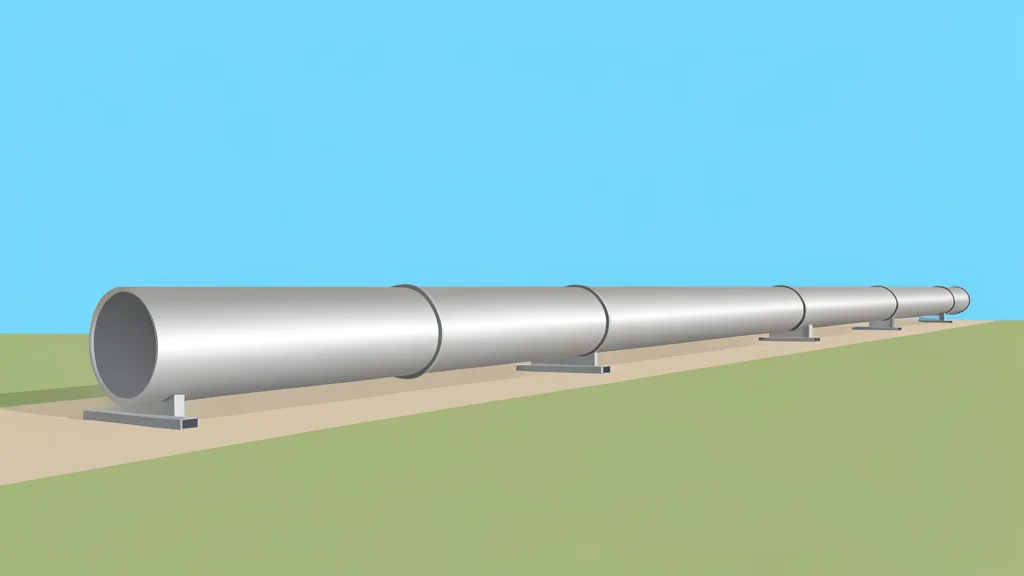
New reporting confirms that midstream infrastructure is facing a critical bottleneck as record energy demand from AI data centers and LNG exports outpaces the pace of US natural gas pipeline construction.
North American energy demand is reaching record levels driven by artificial intelligence data centers, power generation, reshored manufacturing, and global LNG exports. This surge is exposing a structural weakness in the US midstream sector, where infrastructure capacity is failing to keep pace with consumption growth. The gap between supply and demand is creating significant price volatility in key markets, forcing operators to navigate an increasingly constrained environment.
According to estimates from the Interstate Natural Gas Association of America, the United States requires approximately 25,000 miles of new natural gas pipeline infrastructure by 2050 to meet projected needs, even under low-carbon scenarios. This massive buildout is currently hampered by long-standing regulatory hurdles, ongoing litigation, and persistent supply chain delays. These factors collectively threaten to limit the ability of critical markets to access the fuel required for economic expansion and technological deployment.
Regulatory and Supply Chain Barriers
The primary obstacles to expanding pipeline capacity are not purely technical but stem from complex administrative and logistical challenges. Regulatory reform and legislative changes are critical to accelerating project approvals, which have historically been slow and contentious. Additionally, the industry is facing intense competition for natural gas turbines and significant delays in steel supply chains, exacerbated by recent tariff policies. These constraints directly impact the timeline for new construction projects, delaying the stabilization of infrastructure in high-demand regions.
Amy Andryszak, CEO of INGAA, outlined these hurdles in a recent discussion with Natural Gas Intelligence. She emphasized that stabilizing infrastructure in key markets requires addressing these multifaceted challenges. The race to build out the necessary capacity is not just about laying pipe; it involves navigating a legal landscape that often slows down essential energy projects. Without resolving these administrative and supply-side issues, the US risks falling short of the infrastructure needed to support its growing industrial and digital economy.
Drivers of Record Energy Consumption
The drivers behind the current demand surge are diverse and structural. AI data centers are consuming unprecedented amounts of power, much of which is generated from natural gas due to its reliability and availability. Simultaneously, the reshoring of manufacturing to the United States is increasing industrial energy requirements. Global LNG exports further compound this demand, as US producers seek to meet international needs. This combination of domestic and export pressures is pushing North American energy needs to historic highs, creating a persistent imbalance between available infrastructure and required capacity.
Future Infrastructure Requirements
Looking ahead, the requirement for 25,000 miles of new pipeline by 2050 represents a substantial capital investment and logistical undertaking. This figure underscores the scale of the gap between current capacity and future needs. Addressing this gap requires a coordinated approach involving legislative support, regulatory streamlining, and efficient supply chain management. The ability to execute this buildout will determine whether the US can maintain its energy competitiveness and support the growth of energy-intensive industries.
Infrastructure Gap Widens Amid Demand Surge
Recent updates underscore the severity of the supply-side constraints facing the US natural gas sector. As artificial intelligence data centers scale their operations, they are driving energy consumption to unprecedented levels, creating significant pressure on existing grid capacity and distribution networks.
Simultaneously, the expansion of liquefied natural gas exports is consuming vast volumes of domestic supply, further straining the system. This dual demand surge has created a critical bottleneck in midstream infrastructure, where the physical limitations of current pipelines are failing to keep pace with the growing appetite for fuel.