Vistra Faces Recurrent Fire Risk at Moss Landing Battery Site
A second source has confirmed that approximately 1,100 damaged lithium-ion batteries were involved in the recent flare-up at Vistra’s Moss Landing site. These units, left behind during the EPA-mandated cleanup, ignited despite being disconnected from the grid, prompting a temporary shelter-in-place order.
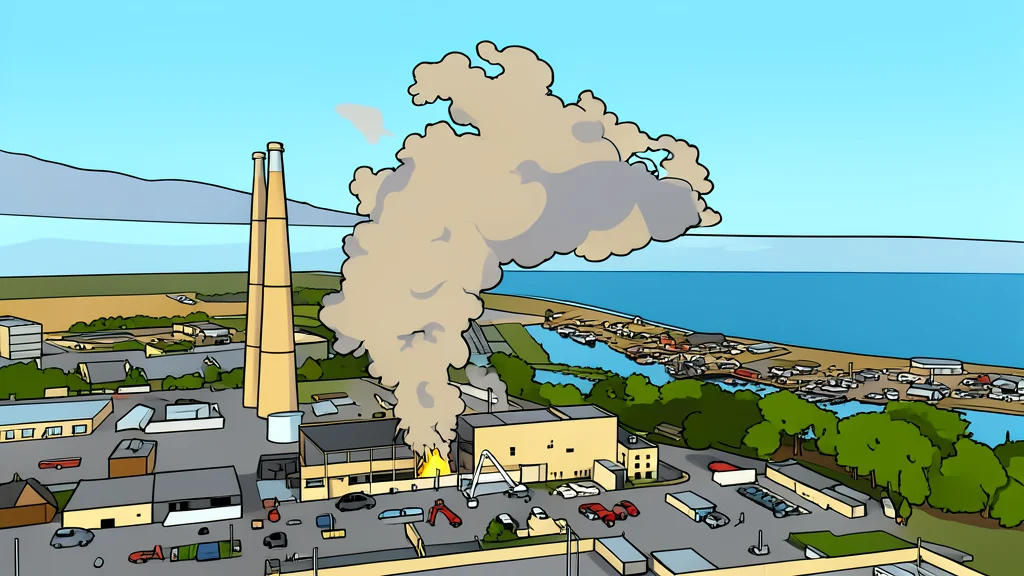
Vistra Energy faced a renewed safety incident at its Moss Landing power plant when a fire ignited in residual battery units on Friday morning. Monterey County officials issued a shelter-in-place order for residents within a third of a mile of the facility after the blaze was reported at 6:15 a.m. The order was lifted by afternoon, and no injuries were reported, but the event underscores the persistent hazards associated with the site’s damaged energy storage infrastructure.
The fire involved batteries left behind from a larger incident on Jan. 16, 2025, at the Moss Landing 300 site. Approximately 100,000 lithium-ion modules were stored there, with 55% damaged in the previous blaze. Vistra manager Ron George confirmed the affected units were disconnected from the grid and idle, but acknowledged the risk of future flareups until all remaining batteries are removed. Fire chief Jess Cortez noted that the specific units were inaccessible for manual intervention due to structural collapse risks, leading crews to allow the batteries to burn out.
Regulatory Cleanup Timeline Extends
The U.S. Environmental Protection Agency is currently in the final phase of battery cleanup and demolition of the storage building. The agency had previously estimated that the removal and demolition process would be complete by mid-2027. This extended timeline leaves a significant volume of hazardous material on-site, creating a window of vulnerability for secondary incidents like the one observed this week. The EPA stated it is taking precautions to mitigate fire risks during the demolition phase.
Local officials, including Monterey County Supervisor Glenn Church, have expressed frustration over the recurrence of fires at the same location. Church highlighted the volatility of the battery storage systems as a source of concern for the community. The incident has drawn scrutiny toward the long-term management of decommissioned energy assets, particularly in the context of the company’s ongoing obligation to remediate the site.
Environmental Monitoring Shows No Spillover
Despite the fire, environmental sensors monitored by the EPA and the Monterey Bay Air Resources District did not record readings outside of normal ranges. Favorable weather conditions, including light winds and a marine layer, prevented significant smoke dispersion. This limited the immediate environmental impact, allowing authorities to lift the shelter-in-place order without reporting widespread air quality issues in the surrounding residential areas.
Operational Status Remains Disconnected
Vistra confirmed that the battery units involved in the fire were not connected to the electric grid. The units had been isolated since the 2025 incident, meaning the fire did not disrupt broader power distribution. However, the company faces continued operational challenges as it navigates the complex logistics of removing damaged lithium-ion components while ensuring worker safety and regulatory compliance.
The source material, GN auto stocks/utilities: power plant, notes that the cause of the 2025 fire remains under investigation, and authorities have not yet determined what sparked the recent blaze. Until the site is fully cleared, Vistra must manage the residual risk of thermal runaway in the remaining battery modules, a factor that continues to influence local safety protocols and community confidence in the company’s remediation efforts.
Specific battery count clarifies incident scope
New details from county officials specify that the recent fire at the Vistra Energy facility involved between 1,100 and 1,200 battery units. These damaged lithium-ion storage modules were part of the roughly 5,000 units remaining on-site after the initial 2025 incident, which had already claimed about 55% of the total 100,000 modules held at the location.
The flare-up occurred during the EPA-mandated cleanup phase, where crews are working to remove the remaining equipment before the building's demolition. Although the units were idle and disconnected from the electric grid, the volatile nature of the damaged cells presented a significant safety risk, necessitating the shelter-in-place order for nearby residents and schools.