Fed Hike Pressure Builds as Oil and Inflation Data Shift Expectations

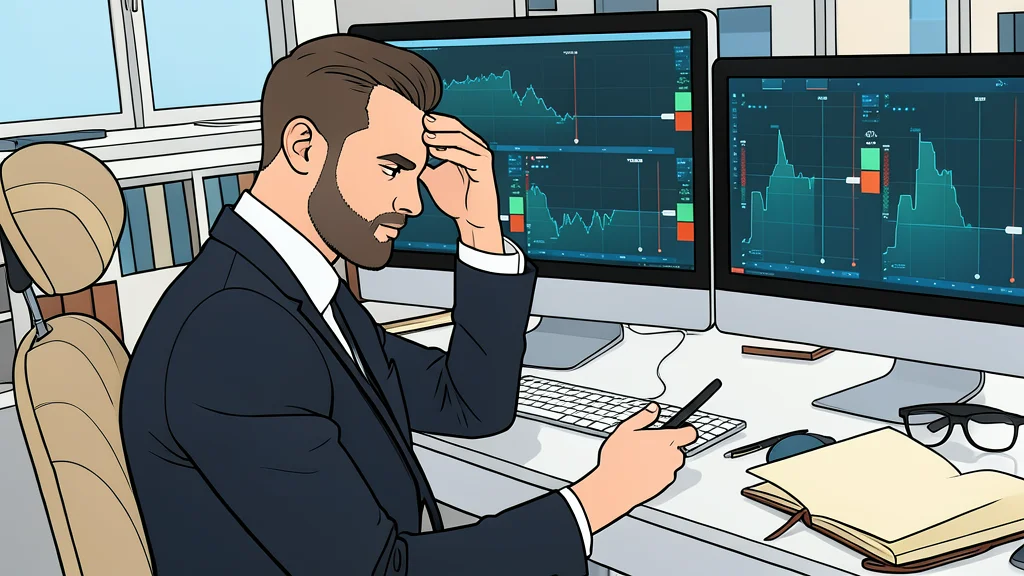
Wall Street now prices in a high probability of a Federal Reserve rate hike, driven by persistent inflation data, rising oil costs, and hawkish signals from Fed Chair Kevin Warsh.
Market participants are increasingly pricing in a 0.25 percentage-point increase to the federal funds target range, moving it to 3.75%-4.00%. The CME Group’s FedWatch tool indicates a greater than 90% probability of this move, a sharp reversal from one month ago when the estimated chance was only 36%. This shift reflects a rapid change in consensus regarding the central bank's policy trajectory.
The pivot in expectations follows Fed Chair Kevin Warsh’s comments at the Jackson Hole symposium, which signaled a willingness to tighten policy further. Concurrently, recent inflation data and a strengthening labor market have reinforced the case for higher rates. As reported by GN auto stocks/technology: tech stocks, these macroeconomic factors have collectively driven traders to adjust their forecasts for the upcoming policy meeting.
Inflation Data and Oil Prices Drive Policy Shift
Elevated crude oil prices, now exceeding $100 per barrel due to geopolitical tensions involving Iran, are adding direct pressure on the Fed’s inflation targets. Higher energy costs propagate through the economy, complicating the central bank’s efforts to stabilize prices. This external shock, combined with sticky domestic inflation metrics, has made a dovish pause less likely in the eyes of market analysts.
Morgan Stanley has revised its outlook, now projecting two rate hikes this year rather than none. The bank’s chief US economist, Michael Gapen, argued that failing to hike could erode the Fed’s credibility and lead to higher long-term risk premiums. This strategic re-evaluation underscores the view that inaction poses a greater risk to financial stability than the cost of tighter monetary policy.
Equity Markets Face Initial Headwinds
Stock prices are expected to experience immediate pressure following the rate decision. HSBC’s equity strategy team notes that while the S&P 500 typically dips in the short term during rate-hike cycles, historical patterns suggest a recovery within three to six months. The bank anticipates that the initial market reaction will be negative but temporary, aligning with previous normalization cycles such as those in 1997 and 2016.
Technology stocks are particularly vulnerable to rising borrowing costs, with research from DataTrek indicating that the sector often underperforms immediately after the Fed begins tightening. Given that the Nasdaq is heavily weighted toward technology firms, this sector faces disproportionate sensitivity to interest rate changes. Investors are advised to monitor the Fed’s new Summary of Economic Projections, which will provide updated forecasts for inflation, unemployment, and GDP growth, offering further clarity on the duration of the tightening cycle.