Germany and US Sign Defense Industry Cooperation Pact
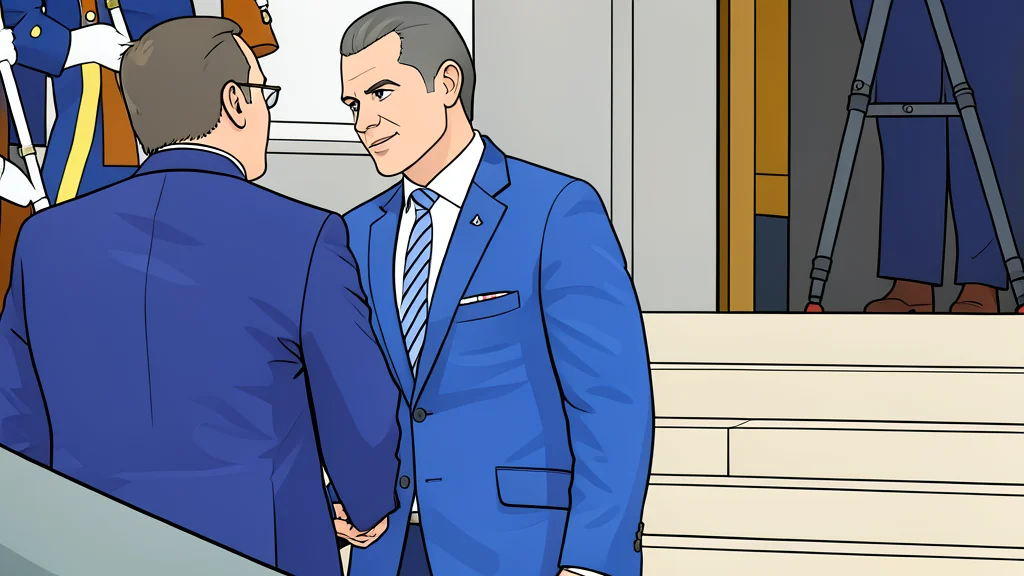
German and American defense ministers formalize a framework for industrial collaboration, signaling a strategic shift in European procurement and supply chain integration.
German Defense Minister Boris Pistorius and U.S. Defense Secretary Pete Hegseth signed a letter of intent in Washington on Tuesday to deepen industrial cooperation between the two nations' weapons manufacturers. The agreement establishes a formal framework for sharing defense production capacities, a move that directly addresses the current stagnation in defense sector valuations by promising expanded collaborative output.
The pact is designed to create a more integrated supply chain, allowing both countries to leverage their respective industrial strengths. Pistorius emphasized that the arrangement aims to benefit from increased defense industry capacities without creating a unilateral dependency, thereby balancing the strategic partnership while supporting long-term production goals for allied defense firms.
Industrial Integration Framework Established
The signed document serves as a foundational step for deeper operational ties between German and American defense contractors. By aligning their strategic objectives, the two governments aim to streamline procurement processes and enhance joint development projects. This structural shift is intended to support the broader goal of increasing defense spending and troop readiness in Europe, providing a stable backdrop for industrial investment.
Tomahawk Missile Purchase Details
A central component of the discussions involved Germany’s planned acquisition of Tomahawk cruise missiles from the United States. While the specific technical and financial details of this purchase remain under negotiation, the agreement signals a clear intent to proceed. Pistorius noted that this procurement is part of a broader effort to balance capabilities between the allies, ensuring that Germany maintains sufficient independent defense capacity while leveraging U.S. technological advantages.
The minister stated that the dialogue with Hegseth was constructive, with no new demands or critiques raised regarding Germany’s accelerated defense spending. The focus remained on practical cooperation, with both sides acknowledging their shared security concerns in the European theater. This alignment removes potential diplomatic friction, creating a clearer path for executing large-scale industrial contracts.
Strategic Alignment on Security
U.S. officials expressed appreciation for Germany’s efforts to increase its defense budget and troop levels. Pistorius highlighted that this mutual understanding is critical for sustaining the industrial base required for modern warfare. The agreement reinforces the narrative that European security is a shared responsibility, underpinned by tangible industrial cooperation rather than mere political rhetoric.
This development, tracked in GN auto stocks and industrials coverage, underscores a trend toward deeper transatlantic industrial integration. By formalizing these ties, the governments aim to create a more resilient and efficient defense sector, capable of meeting the elevated security demands of the current geopolitical landscape.