Navy Streamlines Acquisition as New Pacific Books First Tug Order
The U.S. Navy has restructured its procurement framework to accelerate delivery timelines, while startup shipbuilder New Pacific Industrial secured its first major contract for oceangoing tugs.
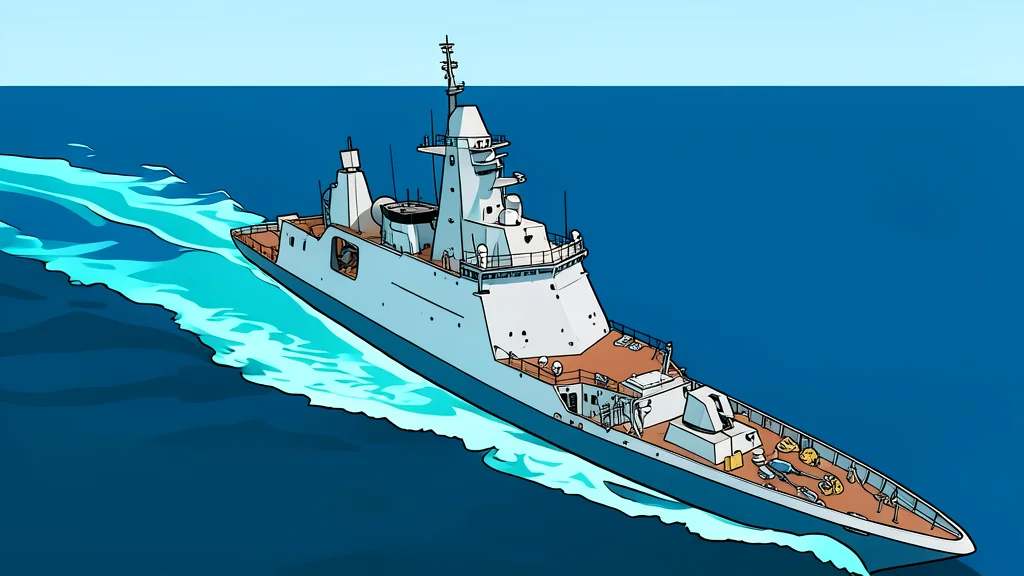
The U.S. Navy has implemented a Portfolio Acquisition Executive model to reduce bureaucratic friction in shipbuilding contracts. This strategy assigns a single senior leader with direct contracting authority to each program portfolio, shifting the focus from regulatory compliance to operational outcomes. The primary objective is to compress the timeline between contract signing and vessel delivery.
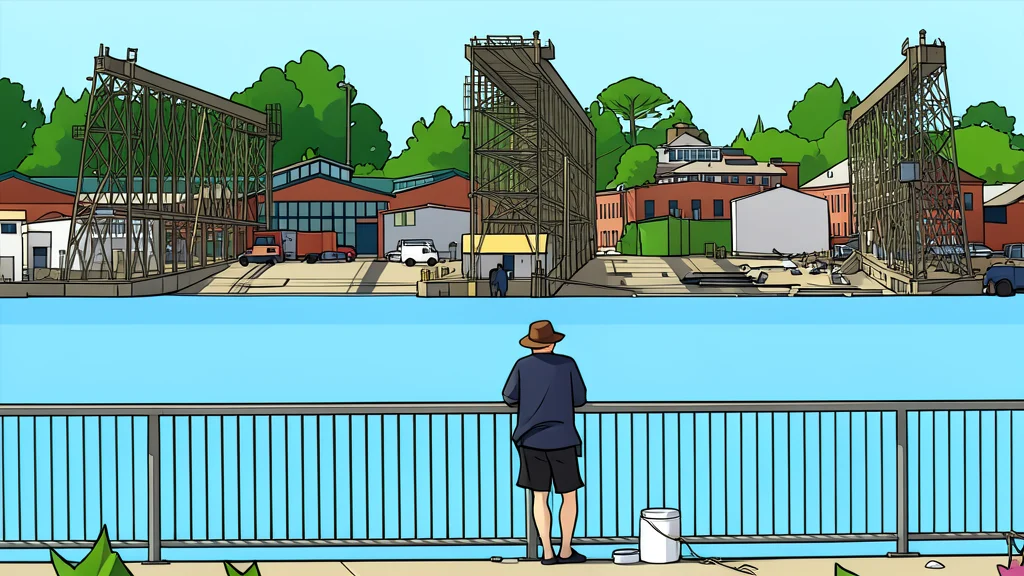
Simultaneously, New Pacific Industrial in Vancouver, Washington, has secured its first new construction order. The contract involves the design and build of two 122-foot oceangoing tugs for American Marine Corp. in Honolulu. This deal marks a significant milestone for the startup yard and represents the first newbuilds in the 50-year history of the Honolulu-based operator.
Caterpillar Targets Marine Electrification
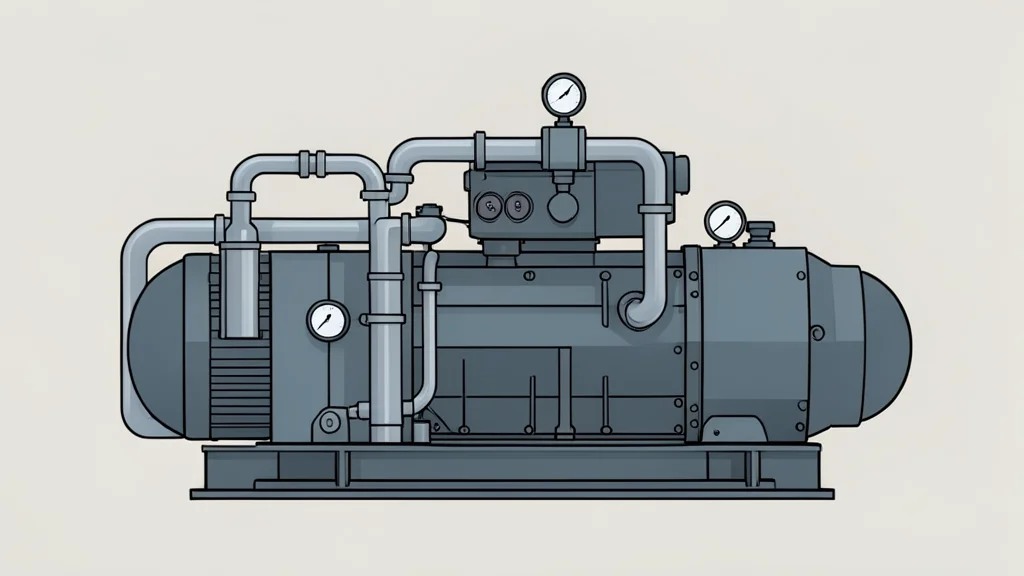
Caterpillar Marine is expanding its product lineup with a production-ready battery system for hybrid and fully electric vessels. Developed in Houston, the system utilizes lithium iron phosphate chemistry and is specifically engineered for harbor tugs, ferries, and inland workboats. This move allows the industrial giant to compete directly in the emerging market for zero-emission marine propulsion.
Regulatory approvals are currently underway with major classification societies, including ABS, DNV, Bureau Veritas, and Lloyd's. These certifications are critical for the commercial viability of the battery system, as they ensure compliance with international safety and environmental standards required for operational deployment on waterways.
Strategic Shifts In Shipbuilding
The convergence of these developments signals a broader transformation in the maritime industry. The Navy's new acquisition model aims to solve long-standing inefficiencies in defense procurement, while the entry of new players like New Pacific and Caterpillar into specialized segments indicates a diversification of supply chain capabilities. These changes collectively aim to reduce costs and accelerate the adoption of new technologies.
According to GN auto stocks/industrials: shipbuilding news, these shifts reflect a market responding to both governmental efficiency mandates and the growing demand for sustainable marine solutions. The integration of advanced battery technology and streamlined contracting processes suggests a future where shipbuilding is both faster and more environmentally compliant.