Nuclear Pipeline Automation Cuts Costs and Lead Times
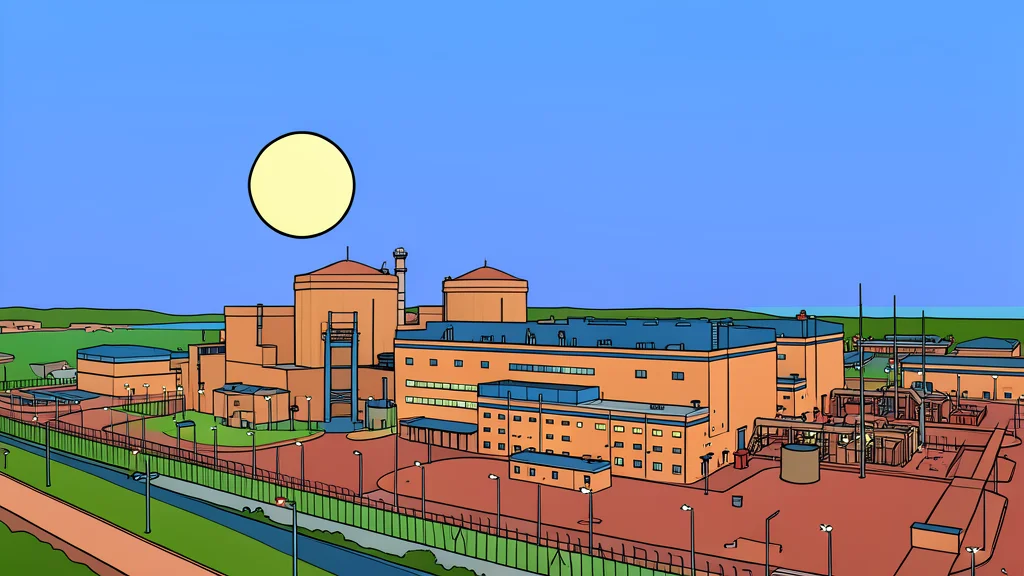
A new intelligent prefabrication base in Jiangsu automates nuclear-grade pipeline production, aiming to reduce construction cycles and enhance supply chain self-reliance.
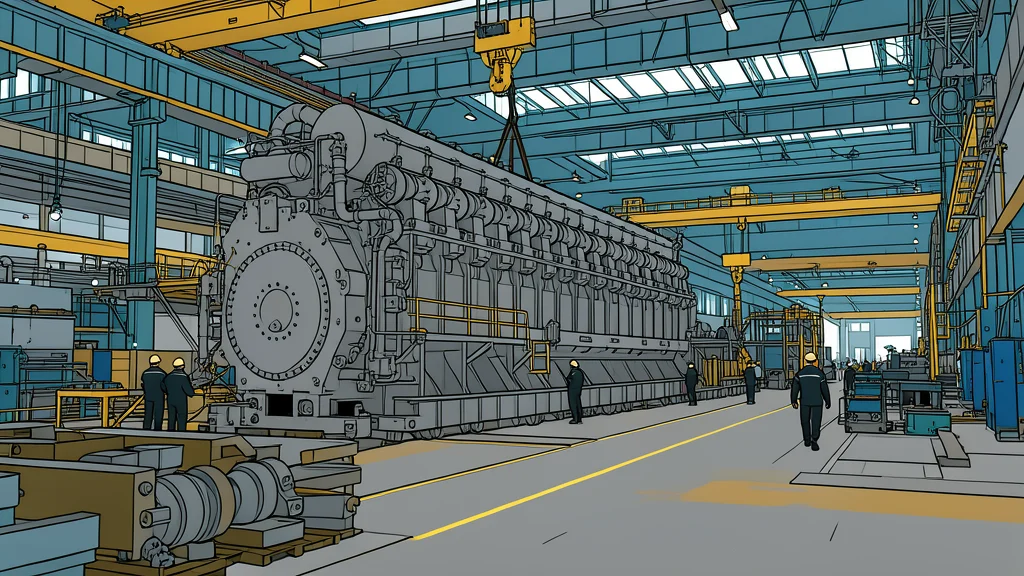
China’s first intelligent prefabrication base for nuclear power pipelines has begun operations in Jiangsu Province. The facility, covering 20.7 hectares, utilizes automated guided vehicles and digital twin systems to manage the manufacturing of nuclear-grade pipes. This automation covers the entire production spectrum, from initial cutting and beveling to final polishing, assembly, and welding.
The shift toward intelligent manufacturing is designed to shorten construction cycles and lower operational costs. By replacing manual inspection with automated technologies such as planar scanning, the facility reduces repetitive labor while maintaining precision. This approach supports the broader goal of enhancing the quality and price competitiveness of China's nuclear power supply chain.
Digital systems monitor real-time factory operations
The base functions as a seven-core production line setup, including an unmanned warehouse and services for intelligent flaw detection and anti-corrosion treatment. A central digital-twin model mirrors the physical factory's status in real time, providing immediate feedback on operational safety. Green indicators signal normal conditions, while yellow alerts highlight areas requiring attention, allowing for rapid response to potential issues.
Shanghai Electric Nuclear Power Group notes that this automation addresses specific technical challenges, such as inspecting steam generator tube sheets. These components contain over 10,000 precisely machined holes in a nearly one-meter-thick sheet. Previously, each hole required manual inspection, a process that is now streamlined by automated scanning to ensure consistency and speed.
Human expertise integrates with robotic manufacturing
Automation at the site is supported by the digitization of human expertise. A youth task force is developing a multi-robot flexible manufacturing line, while the 36 years of experience from a welding coach are being converted into data. This data is used to build an intelligent welding agent, ensuring that the precision and judgment of skilled workers are embedded into the automated processes.
Supply chain localization drives cost efficiency
The intelligent manufacturing base is part of a broader effort to localize the nuclear industry supply chain. Earlier projects relied on imported key materials and welding consumables, but domestic companies have since developed these components according to Chinese standards. Shanghai No.1 Machine Tool Works is localizing raw materials and welding consumables, while also working on new integrated welded core barrel assemblies.
These advancements support the Hualong One 2.0 technology, which incorporates passive safety technologies and higher automation in construction. The National Energy Administration reports that these upgrades aim to lower costs and shorten construction cycles. By reducing dependence on imported components and leveraging automated manufacturing, the industry seeks to achieve greater self-reliance and operational efficiency.