Australian Rare Earths Extends Overland Carbonatite Discovery
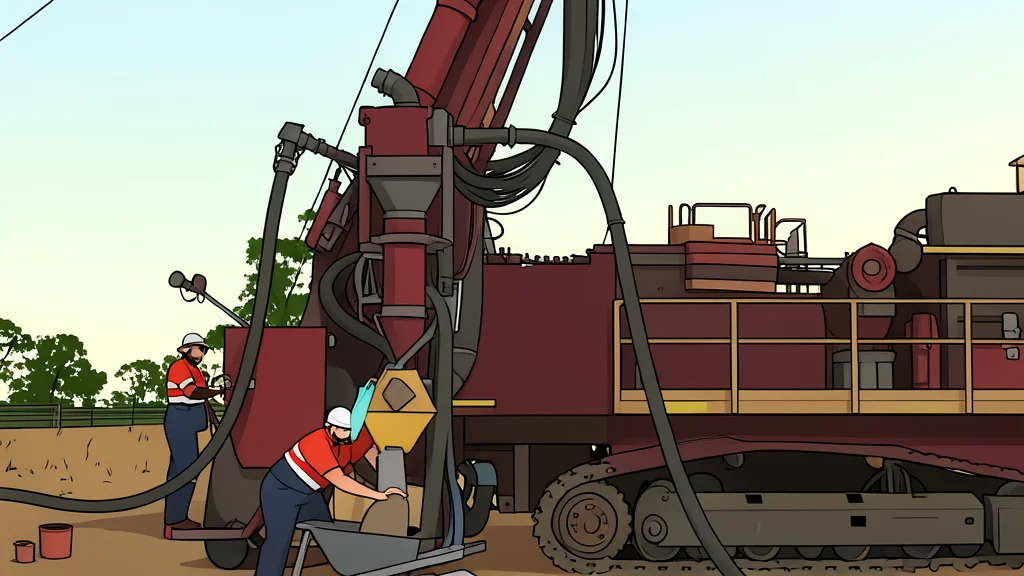
Step-out drilling at the Overland project has extended the known carbonatite system by five kilometers, validating magnetic targeting and confirming the intrusion remains open at depth.
Australian Rare Earths (ASX:AR3) has extended its Overland carbonatite discovery approximately five kilometers to the south, significantly increasing the known scale of the system. The latest step-out drilling intersected a substantial section of carbonatite, confirming that the geological structure remains open at depth and extending the prospective zone along a longer corridor.
The company states that this extension validates the use of magnetic anomalies as a primary targeting tool for identifying further intrusions. With the system now linked to a 10-kilometer magnetic corridor, management reports higher confidence in the potential size of the deposit, although the true vertical thickness remains undetermined pending further data.
Drilling Results Define System Scale
Hole OV176 intersected 130 meters of carbonatite starting from 68 meters depth and terminated within the rock at 201 meters. This result demonstrates that the intrusion is not limited to the surface but extends significantly downward. The company notes that because the hole ended in carbonatite, the system is technically open, meaning the full vertical extent of the deposit is currently unknown.
Two additional holes drilled at 100-meter spacings west of the main intersection helped map the lateral boundaries of the system. Hole OV177 showed stronger gamma responses but fewer distinct carbonatite mineralogical characteristics, indicating it likely intersected the altered margins of the intrusion. Conversely, hole OV178 recorded lower gamma responses, helping to define the western limit of the target zone.
Magnetic Corridor Validates Targeting
The drilling results strongly correlate with a 10-kilometer magnetic corridor that the company is systematically targeting. Managing Director Travis Beinke stated that this correlation increases confidence in using magnetics as an effective exploration tool. The strategy relies on identifying similar magnetic signatures across the broader Overland project to locate additional carbonatite intrusions, rather than relying solely on surface sampling.
Assays and Academic Review Pending
Assay results for the new drill cores are pending and are expected in approximately six weeks. These results will determine the fertility and economic significance of the system. Meanwhile, petrographic and isotopic studies are underway to support geological interpretation. Representatives from the ARC Training Centre for Future Critical Resources, the Geological Survey of South Australia, and the University of Adelaide have inspected the core from OV176 to verify the geological findings.
The company has approximately one week of drilling remaining in the current program. Australian Rare Earths positions itself as a diversified critical minerals company aiming to meet global demand for uranium and rare earths. The extension of the Overland discovery is a key step in developing a resource base for its rare earths operations, with further data due in the coming weeks.