Austrian Tungsten Producer Counters China Supply Restrictions

Plansee Group expands tungsten output in the Alps to mitigate Beijing's recent export controls and rising global procurement costs.
Plansee Group is accelerating the construction of a major critical minerals facility in Reutte, Austria, to secure Western supply chains for tungsten. The closely held company is responding to a two-year tightening of Chinese export controls that have driven up input costs and disrupted industrial logistics across Europe and Asia.
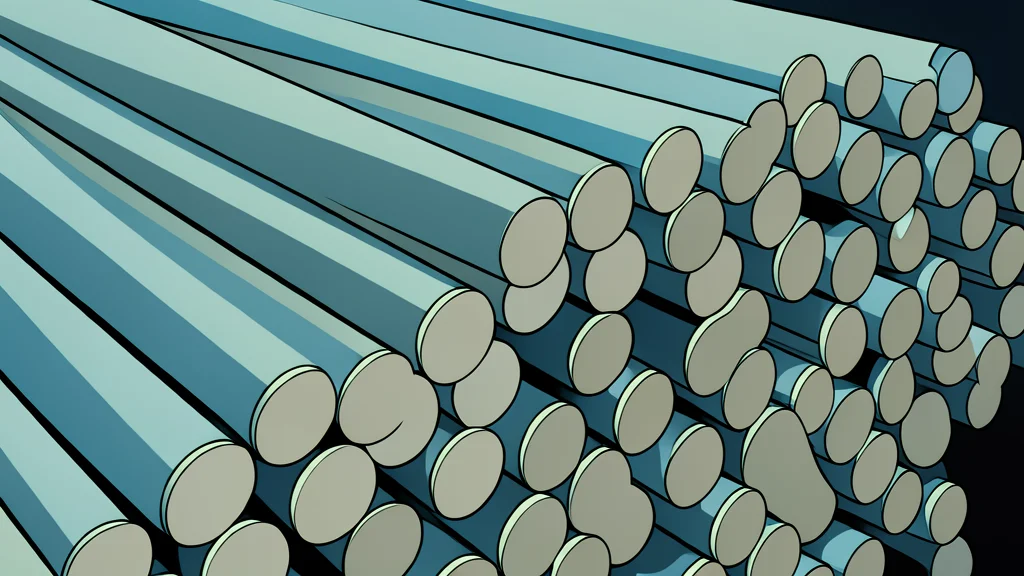
While tungsten receives less public attention than rare earths, it remains indispensable for high-performance manufacturing. The metal’s extreme hardness supports automotive tooling, its thermal stability enables semiconductor production, and its high density, nearly double that of lead, is critical for defense applications. Beijing’s recent move to cut key shipments to Japan has intensified the global scramble for alternative sources, creating a direct revenue opportunity for non-Chinese producers.
China Exports Drive Industrial Costs
Beijing’s dominance of the tungsten supply chain has introduced significant volatility into global markets. Over the past 24 months, Chinese authorities have restricted exports and increased the diversion of raw materials to domestic use. These actions have forced manufacturers to pay premium prices for secured supply, directly impacting the margins of companies dependent on consistent material flow.
The recent suspension of shipments to Japan serves as a concrete example of this strategic leverage. By controlling the flow of a material essential for defense and high-tech sectors, China has created a geopolitical friction point that Western firms are now addressing through vertical integration and localized production.
Plansee Builds Western Capacity
Located between a lake and the Alps, Plansee’s new operation is designed to become one of the most formidable critical minerals hubs outside of China. The company is leveraging its existing industrial base in Reutte to scale up production of tungsten alloys and components. This expansion aims to provide a stable, non-Chinese source of supply for European automotive and semiconductor manufacturers.
The facility’s output will directly address the shortage of high-grade tungsten products, reducing reliance on imports from Beijing. By localizing the processing and manufacturing stages, Plansee is insulating its customers from the same export restrictions that have affected other Western markets. This strategic shift supports the broader goal of supply chain resilience in the EU.
Market Dynamics Shift Toward Europe
The global tungsten market is undergoing a structural realignment as buyers seek to decouple from Chinese control. The surge in costs following Beijing’s export restrictions has made alternative sources more economically viable for large industrial buyers. Plansee’s expansion is a direct response to this demand, positioning the Austrian firm as a key supplier in a fragmented market.
According to GN auto stocks/materials: rare earths, the shift toward diversified sourcing is a critical development for the automotive and defense sectors. The ability to secure tungsten from a non-Chinese source reduces the risk of sudden supply cutoffs, allowing manufacturers to plan long-term production with greater certainty. This trend is likely to continue as other Western nations invest in their own critical mineral infrastructure.