Brazil Enacts Law to Control Critical Mineral Exports
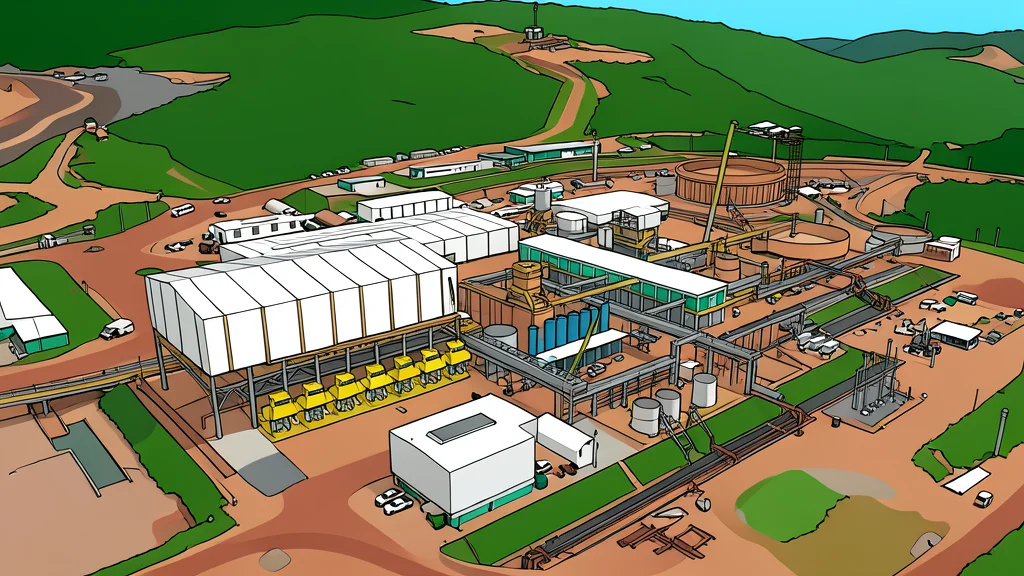
Brazil’s new critical minerals framework grants the state veto power over foreign acquisitions and mandates domestic processing, aiming to capture downstream value from its vast rare earth reserves.
Brazil has enacted a national policy for critical and strategic minerals that grants the government explicit authority to review and approve foreign acquisitions and international contracts. President Luiz Inácio Lula da Silva signed the law on Wednesday, establishing a presidential council with the power to block transactions involving changes in corporate control or mining rights. The measure targets strategic minerals, which are defined by their importance to Brazil’s trade balance and technological development, as well as critical minerals essential to global supply chains.
The legislation introduces value-addition requirements on mineral exports, although it does not prohibit the shipment of unprocessed ore. Detailed regulations will determine the specific compliance obligations for companies. According to materials from GN auto stocks, Brazil holds 21 million metric tons of rare earth reserves, ranking second globally. However, the country currently lacks the industrial capacity to refine these elements or manufacture magnets, creating a significant gap between extraction and downstream value capture.
Incentives Target Domestic Processing
To address the lack of refining infrastructure, the law allocates up to 5 billion reais in tax credits between 2030 and 2034. These credits cover up to 20% of eligible expenses for processing, manufacturing, and recycling projects, with higher rates available for advanced value-chain activities. Additionally, a guaranteed fund with up to 2 billion reais in federal contributions is authorized to mitigate financing risks for priority projects. These initiatives are designed to make domestic investment in rare earth separation and magnet production financially viable.
Economic models associated with the national strategy suggest that price floors and guaranteed purchases could reduce the payback period for a rare earth separation plant from approximately ten years to four. Rafaela Guedes, a senior fellow at the Brazilian Center for International Relations, noted that foreign-backed agreements are already providing such protections to local projects. She warned that the primary risk is exporting raw ore with demand locked in while the downstream value is captured by foreign entities.
Regulatory Veto Power Activated
The newly installed council has already been appointed and holds the authority to approve or reject specific transactions. Without its sign-off, deals involving the transfer of mining rights or certain international partnerships cannot proceed. This regulatory mechanism is intended to prevent the loss of control over strategic assets. The law maintains separate licensing processes for mining, environmental, and radiological concerns, while explicitly excluding price floors or purchase guarantees from its immediate provisions.
Recent Acquisition Sparks Concern
The enactment of this law follows closely on the heels of USA Rare Earth’s completion of its roughly $2.8 billion acquisition of Serra Verde, Brazil’s only commercial producer of rare earths. The entire initial output of the mine is committed for 15 years to a buyer backed by U.S. government agencies. This agreement covers four rare earth elements used in permanent magnets and includes guaranteed minimum prices. Lula invoked the historical precedent of Brazil’s colonial gold boom, stating that the country will not repeat the pattern of exporting raw resources while foreign nations build industrial capacity.