Ganfeng Lithium Launches 500-Tonne Rare Metal Extraction Line
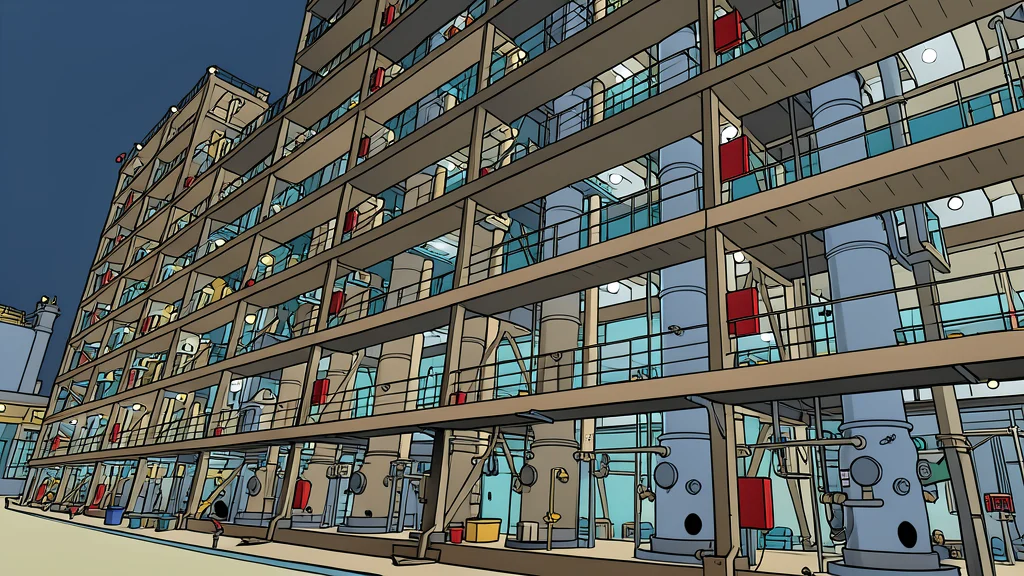
Ganfeng Lithium and CAS have deployed a 17-tower system in Jiangxi to recover rubidium and cesium from lithium waste, achieving 99.9% purity and reducing solvent use by 40%.
Ganfeng Lithium and the Institute of Process Engineering under the Chinese Academy of Sciences have commissioned the world’s first industrial-scale production line for extracting rubidium and cesium from lithium mining waste. Located in Jiangxi province, the facility has an annual capacity of 500 tonnes and produces cesium carbonate and rubidium carbonate at a purity exceeding 99.9 percent. The products are currently being sold in commercial batches, marking a shift from treating these elements as waste to harvesting them as high-value strategic resources.
The deployment resolves a significant supply chain vulnerability by allowing China to recover metals that were previously dumped in slag piles due to low concentrations in ore. This move reduces reliance on imported raw cesium ore from Canada, Australia, and Zimbabwe. By integrating this recovery process into existing lithium operations, the company secures a domestic source for critical inputs used in atomic clocks, solid-state batteries, and quantum computing networks.
Seventeen towers replace seventy tanks
The core of the new facility is a 17-tower extraction unit that utilizes differential counter-current extraction. This design replaces more than 70 conventional roasting tanks previously required for separation. A single column in this system delivers the separation efficiency of up to 15 regular stages, streamlining the chemical process significantly.
This architectural change cuts solvent consumption by 40 percent and reduces the equipment footprint by more than half. The facility operates continuously and is fully automated, which lowers resource requirements and operational complexity. The streamlined setup allows for the continuous processing of low-grade associated resources that were previously economically unviable to extract.
High recovery rates from low-grade ores
Rubidium and cesium rarely exist as independent minerals and are typically found in low concentrations within lithium ores and salt-lake brines. Standard chemical extraction methods struggled with the complex chemical bonds and low grades, making separation costly. The new system overcomes these technical barriers by achieving recovery rates of over 98 percent for available cesium and over 95 percent for rubidium.
Domestic capacity reaches three thousand tonnes
China holds extensive reserves of these metals, including 1.16 million tonnes of rubidium oxide and 140,000 tonnes of cesium oxide, mostly embedded in lepidolite deposits. However, the country lacked commercially viable pollucite reserves for cesium. With this new line, China now commands a domestic capacity of roughly 3,000 tonnes of rubidium salt equivalent per year.
This capacity expansion mirrors the strategy used in the rare earths sector, combining massive domestic mineral processing with proprietary extraction technology to lower production costs. By insulating the high-tech sector from overseas supply disruptions, the company positions itself to meet the exploding demand for niche metals driven by perovskite solar cells and quantum networks.