RareX Finds 0.57% Copper Zone at Khaleesi Project
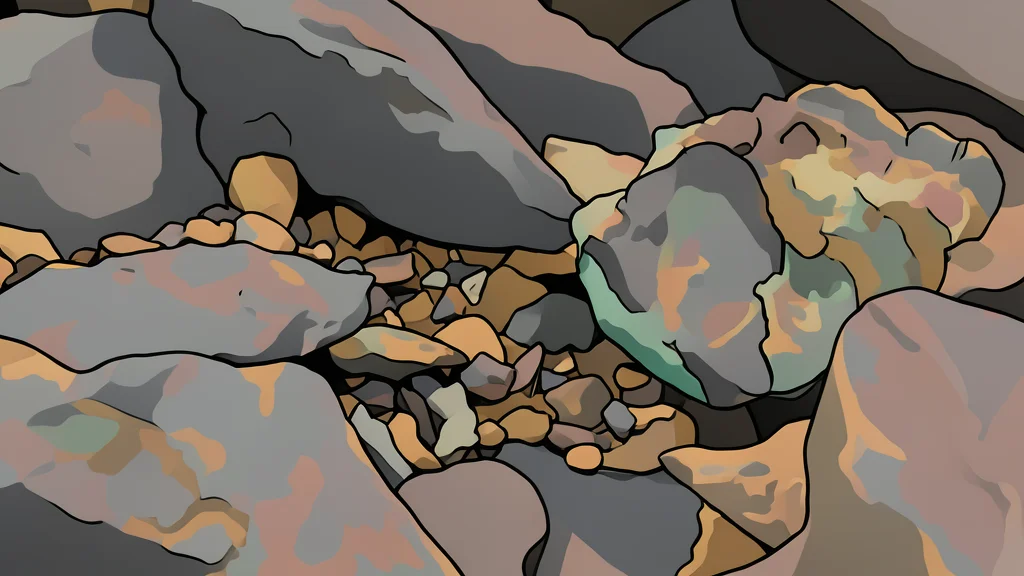
RareX identified a 74m copper sulphide zone at its Khaleesi prospect, adding a strategic metal to its rare earths portfolio.
Key points
- RareX identified a 74m copper sulphide zone at its Niobe prospect, with peak pXRF readings of 5,724 ppm copper.
- Laboratory assays to confirm the preliminary field results are expected within the next four to six weeks.
- The copper discovery adds a financial anchor to RareX's rare earths and gallium portfolio, enhancing project economics.
RareX (ASX:REE) has identified a 74-metre zone of anomalous copper sulphide mineralisation at its Niobe prospect within the Khaleesi Project in Western Australia. The discovery, reported by Mining.com.au, introduces a high-demand base metal to the company’s critical minerals portfolio, which previously focused on rare earths, gallium, and niobium.
The finding occurs while copper prices hover near record levels of approximately US$14,400 per tonne. This market position allows copper to serve as a financial anchor for projects developing higher-value but more complex rare earth elements, a strategy already employed by major players like BHP Group at Olympic Dam to support cash flow during early-stage development.
Drilling results reveal significant copper grades
Drill hole KRC012 returned a peak portable X-ray fluorescence (pXRF) reading of 5,724 parts per million (0.57%) copper. The company noted numerous readings above 1,500 ppm, with elevated copper levels sustained across the 77 to 151-metre downhole interval. These preliminary field results indicate a consistent mineralised system that warrants further investigation.
Managing Director James Durrant stated that the identification of copper mineralisation adds a new dimension to the emerging geologically complex system at the Khaleesi Alkaline Intrusive Complex. He emphasized that while the pXRF results are preliminary, the scale and consistency of the anomalism suggest the hotter part of the system may not yet have been fully intersected.
Laboratory assays pending for final confirmation
RareX is currently awaiting laboratory assays to confirm the field-based pXRF readings, with results expected within the next four to six weeks. The company is integrating the KRC012 data into its broader program interpretation while continuing its 3,500-metre maiden reverse circulation drilling campaign, which began just weeks prior to this announcement.
The Niobe target sits beneath a 5km by 3km surface gallium anomaly, coinciding with magnetic and gravity features. Historical exploration by major companies in the Yilgarn Craton largely stopped once basement rock was reached, leaving the underlying intrusive complex in eastern Western Australia effectively untested by previous efforts.
Copper anchors rare earths project economics
The addition of copper provides a potential revenue stream that can improve project economics and reduce reliance on capital markets for funding. This approach mirrors strategies used by junior explorers like Thor Energy and New Frontier Minerals, who use near-term copper cash generation to advance their broader critical minerals and rare earths portfolios.
As Western nations seek to secure alternative sources of critical minerals like gallium, which is essential for defence and electronics, the presence of copper offers a tangible economic foundation. This dual-metal focus aims to provide greater investor confidence in the development of rare earth projects, where high-value elements are often accompanied by higher processing complexities.