US and China Launch AI Incident Channel; Rare Earth Talks Stall
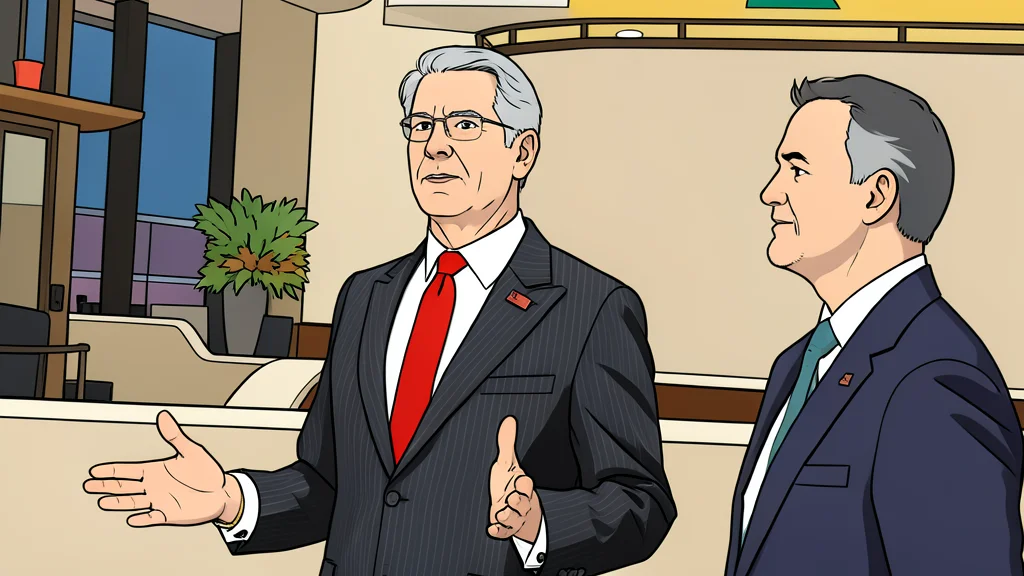
Washington and Beijing formalized an AI risk dialogue in Manhattan, though critical mineral negotiations remain unresolved.
Key points
- US and China established a formal AI incident notification system during Sunday's talks in Manhattan.
- Negotiations on rare earth exports and critical minerals saw no reported progress despite eight hours of discussion.
- The Board of Trade mechanism is now active to identify non-strategic goods for tariff reductions.
American and Chinese trade officials concluded an eight-hour session in Manhattan on Sunday, establishing a formal communication channel for artificial intelligence incidents. Treasury Secretary Scott Bessent and U.S. Trade Representative Jamieson Greer met with Chinese Vice Premier He Lifeng and negotiator Li Chenggang at JPMorgan Chase’s headquarters. The primary outcome was the creation of a notification system designed to manage national-security-level risks in the AI sector, a move described by Bessent as successful.
Despite the new diplomatic structure, neither side reported progress on the export of critical minerals. The Busan tariff truce, which is set to expire on November 10, remains in effect but without new commitments on rare earths. This lack of movement on strategic materials stands in contrast to the broader trade framework that has been in negotiation for sixteen months.
AI dialogue excludes chip controls
The new AI dialogue specifically excludes advanced semiconductor export controls from its scope. Greer clarified that regulations regarding AI chips and manufacturing equipment were not part of this specific agreement. This delineation keeps the most sensitive technological fronts off the immediate agenda, focusing instead on incident reporting and transparency between the two governments.
The mechanism is intended to reduce opacity in the relationship by providing a structured way to handle security concerns. By separating AI risk management from broader trade disputes, both sides aim to create a stable baseline for future negotiations. This approach reflects a strategy of compartmentalizing different sectors of the bilateral relationship to prevent one issue from derailing another.
Board of Trade operations begin
The Board of Trade mechanism, originally agreed upon in May, is now formally operational. This body is tasked with identifying non-strategic goods that qualify for lower tariffs. China is expected to propose consumer goods and low-tech items, while Washington will focus on energy, agricultural products, and medical equipment for reciprocal tariff reductions.
Existing commercial commitments remain in place, including China’s pledge to purchase at least $17 billion in American farm goods annually through 2028. Beijing has also approved an initial order of 200 Boeing aircraft, marking the first such purchase from a Chinese airline in nearly a decade. These figures provide a concrete baseline for the trade relationship, even as broader strategic disagreements persist.
Market reaction precedes summit
Financial markets responded positively to the conciliatory tone of the negotiations. U.S. stock futures rose following the talks, while Asian indices showed significant gains by Monday morning. South Korea’s Kospi index increased by nearly 1.8%, and Samsung Electronics shares jumped 5%, reflecting investor optimism ahead of the presidential summit.
President Trump is scheduled to host President Xi Jinping in Washington this Thursday. This meeting represents the next critical step in determining whether the groundwork laid in Manhattan will translate into lasting policy changes. The coming days will test the durability of the new AI dialogue and the stalled progress on rare earths.