US Denmark Deal Anchors Greenland Rare Earth Strategy
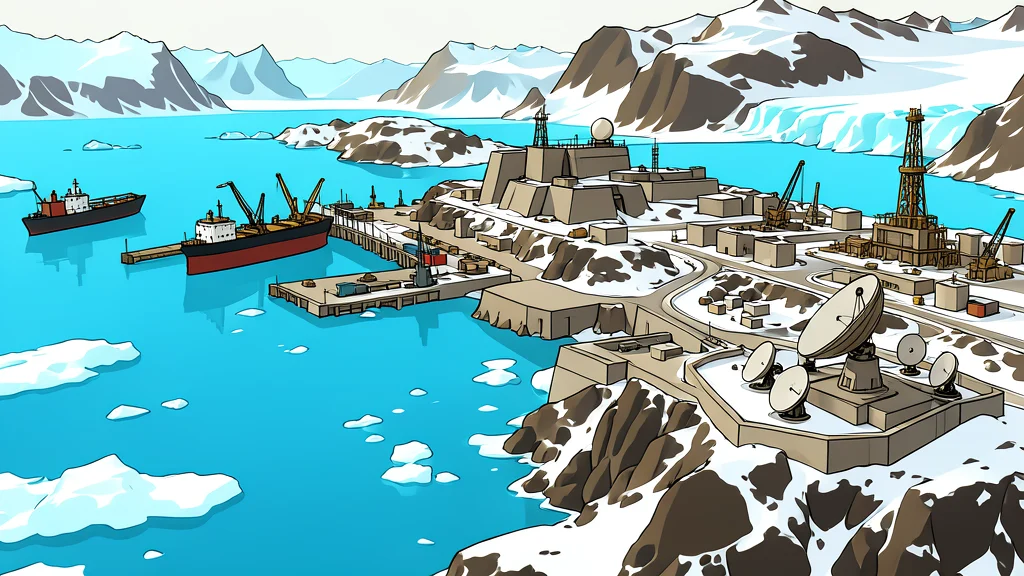
A new US-Denmark security pact secures permanent American access to Greenland's critical mineral deposits, shifting the focus from political rhetoric to long-term resource control.
The United States has reached a preliminary security agreement with Denmark and Greenland that grants Washington permanent control over the island's security sector. President Trump announced the deal on September 18, stating it would be formalized during the upcoming United Nations General Assembly. While the agreement does not transfer sovereignty, it significantly expands the US military footprint and restricts rival nations from establishing bases or investing in key infrastructure.
This strategic shift is driven by the island's geographic position and its substantial rare earth reserves. Greenland holds approximately 1.5 million tons of rare earths, ranking eighth globally, with major deposits at Kvanefjeld and Tanbreez. The security pact effectively locks in American access to these assets, creating a stable environment for long-term industrial development despite the harsh Arctic conditions.
Security Pact Restricts Rival Access
The agreement explicitly bans non-NATO military bases in Greenland and limits investments by US adversaries. This provision addresses concerns raised by Vice President JD Vance, who previously argued that the US should derive tangible benefits from its defense spending. By securing veto power over rival proximity, Washington transforms its Cold War-era presence at Pituffik Space Base into a permanent strategic asset.
Danish Prime Minister Mette Frederiksen and Greenlandic Prime Minister Jens-Frederik Nielsen have both affirmed that the deal respects the Kingdom's sovereignty and Greenland's self-determination rights. However, the practical effect is a tighter integration of Arctic defense planning, making it difficult for any future political shift to disrupt the US security posture. The move stabilizes the geopolitical landscape for investors seeking exposure to Arctic resources.
Critical Metals Controls Tanbreez Assets
Critical Metals Corp now holds a 92.5% stake in the Tanbreez deposit following the completion of a share transfer in April 2026. The company secured a $120 million letter of interest from the US Export-Import Bank in June 2025, which would represent the Trump administration's first direct overseas mining investment. This financial backing underscores the strategic importance of the project to US supply chain security.
Market sentiment has already reacted to these geopolitical developments. Critical Metals shares surged nearly 150% in January as political rhetoric intensified. However, the commercial reality remains that extraction from one of the world's harshest mining environments will take years. The current market valuation reflects political confidence in the security deal rather than immediate production volumes.
Geopolitical Premium Drives Valuation
The distinction between political access and physical tonnage is crucial for investors. While the security deal removes significant regulatory and geopolitical risks for mining operations, the engineering challenges of Arctic extraction remain high. The US commitment to security provides a long-term hedge against supply chain disruptions, but it does not accelerate the timeline for commercial production at Kvanefjeld or Tanbreez.
As the agreement moves through parliamentary processes, the focus will shift from diplomatic maneuvers to infrastructure development. The US strategy leverages its military presence to secure a dominant position in the global rare earth market. For companies like Critical Metals, this creates a more predictable operating environment, though the path to profitability remains dependent on technical execution and capital deployment.