USA Rare Earth Secures $1.6B Deal, Faces Production Delays
USA Rare Earth landed a $1.6 billion government investment despite unmet milestones and delayed mine operations.
Key points
- USA Rare Earth received a $1.6 billion government package including a $1.3 billion loan.
- The Round Top mine has produced no ore and faces commercial start in 2028.
- No contractual milestones were met by June, though the government received equity shares.
In late January, USA Rare Earth secured a $1.6 billion government commitment. Commerce Secretary Howard Lutnick announced the deal to fund US magnet production. The move aims to reduce reliance on China for critical minerals.
Simultaneously, private investors provided $1.5 billion in financing. Democratic lawmakers questioned potential conflicts of interest involving Lutnick and his sons. Critics doubt the company can meet national defense and industrial demands.
Mine faces skeptical industry assessment
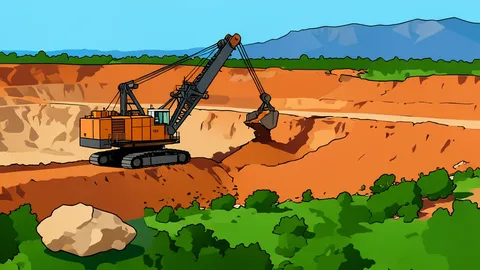
USA Rare Earth listed in March 2025 with a $464 million valuation. Its Round Top Mountain mine near El Paso has produced no ore yet. Geologists have studied the site since the 1970s with poor results.
Jon Hykawy of Stormcrow Capital called the site "laughably bad." He stated the location contains mostly dirt rather than mineable ore. The company expects commercial production to begin in 2028.
Government stake contingent on milestones
The deal grants the Commerce Department a 10% equity stake. This comes from a $277 million investment and a $1.3 billion loan. Public filings show no technical or financial milestones were met by June.
No loan funds have been disbursed yet. However, the company confirmed the government received specified shares and warrants. A spokesperson cited US government due diligence and private investor backing as validation.
Magnet factory remains in early stages
The Stillwater, Oklahoma plant began production in March 2025. Commercial scale is not expected until the fourth quarter of this year. A second facility in South Carolina will not start until 2028.
These magnets are essential for missiles, cars, and data centers. The administration acquired stakes in MP Materials and Trilogy Metals. Revenue-sharing agreements with chipmakers like Nvidia also support the strategy.