Data Center Load Pressures Grids as Wind Energy Stabilizes Costs
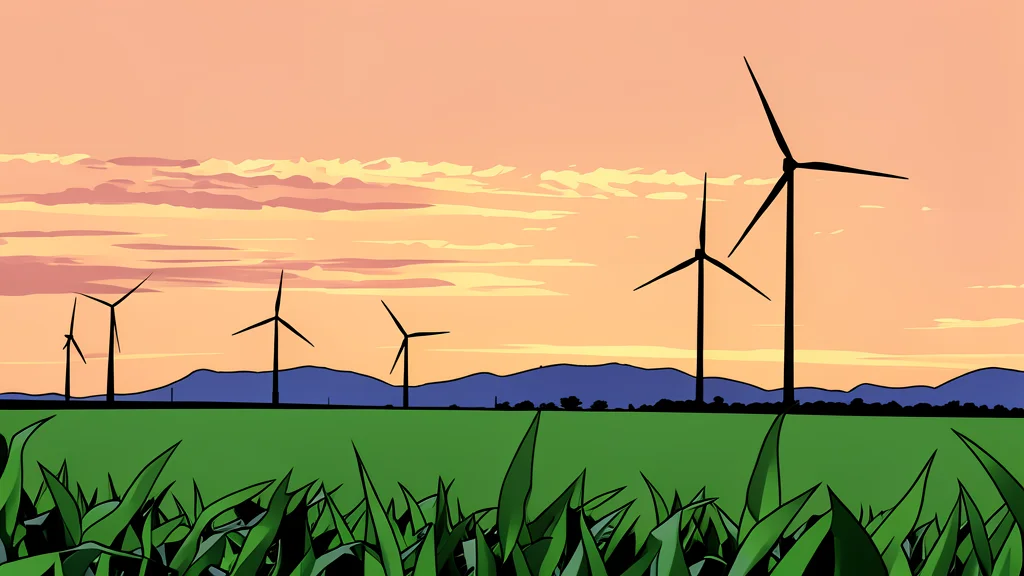
Rising data center demand is straining regional grids, while wind assets like South Fork Wind provide critical stability and cost containment during peak energy events.
Electricity demand in the U.S. Southeast is accelerating due to data center expansion, creating significant strain on utility infrastructure. Virginia, a major hub for these facilities, sees annual demand growth of 20%, with Dominion Energy projecting a fivefold load increase by 2038. Single large data centers now consume power equivalent to medium-sized power plants, serving approximately 75,000 homes, which forces utilities to build costly new transmission and generation capacity.
This infrastructure buildout threatens to shift costs onto residential customers. Projections indicate a typical household in Virginia could face an additional $23 in monthly electricity bills by 2030 and $37 by 2040 under high-growth scenarios. Public opposition is rising, with 7 out of 10 Americans opposing nearby data center construction due to affordability concerns, prompting bipartisan efforts to mandate that tech firms bear the cost of new grid infrastructure.
Wind Assets Mitigate Fuel Price Volatility
Extreme weather events exacerbate grid vulnerabilities by spiking natural gas prices and disrupting fuel supply. During Winter Storm Fern, sub-zero temperatures caused a 16% surge in natural gas prices, setting record highs across regional markets. Conversely, utility-scale wind and solar generation in New England reduced reliance on fossil fuels during a July 4 heatwave, demonstrating how diversified energy mixes can buffer against fuel market shocks.
Wind energy provides a hedge against volatile fuel costs by generating power without fuel inputs. This is critical during periods of peak demand when grid stress is highest. The technology allows utilities to maintain reliability without exposing ratepayers to the full impact of fossil fuel price spikes, ensuring a more stable cost structure for residential and commercial users.
South Fork Wind Delivers Peak Reliability
The South Fork Wind farm, the first commercial-scale offshore project in the U.S., has been operational off Long Island since 2024. It supplies electricity to roughly 70,000 homes while adding new generation to a grid-constrained area. During a June 2025 heat wave that triggered a major grid emergency in New York, the facility achieved an 87.4% capacity factor during a critical three-hour evening period, delivering power when the grid was under maximum stress.
The project adds only about $1.58 to the monthly bill of a typical residential customer, a modest increase compared to the projected $37 monthly hikes associated with data center-driven infrastructure in other regions. This performance supports the broader argument that wind energy contributes to grid reliability and cost stability, aligning with the 74% voter support for offshore wind construction identified in recent polling.
Diversification Supports Long-Term Grid Stability
The integration of wind energy into the Southeastern grid offers a strategic response to the dual challenges of rising demand and extreme weather. By reducing dependence on natural gas, utilities can mitigate the financial and operational risks associated with fuel supply disruptions. The data from South Fork Wind and regional grid events illustrates that diversifying the energy mix is essential for maintaining reliability and protecting consumers from unpredictable energy costs.
As data center demand continues to grow, the role of wind energy in balancing the grid becomes increasingly critical. The combination of cost-effective generation and peak-time reliability positions wind assets as a key component in managing the transition toward a more resilient and affordable electricity infrastructure. This approach addresses the immediate need for capacity while safeguarding against the long-term economic impacts of centralized fossil fuel dependence.