Türkiye Solar and Wind Capacity Hits Record High
Türkiye's renewable energy mix has expanded sharply, with solar and wind now comprising nearly a third of total installed capacity.
Türkiye has fundamentally restructured its electricity generation mix over the last decade, driven by a massive expansion in solar and wind assets. According to the Energy and Natural Resources Ministry, the share of solar power in electricity generation increased 28-fold, rising from a negligible base to 11.6% in 2026. Wind power saw a more modest but significant shift, with its contribution to the grid more than doubling to 12.1% during the same period. This structural change indicates a sustained pivot away from traditional fossil fuel dependencies toward variable renewable sources.
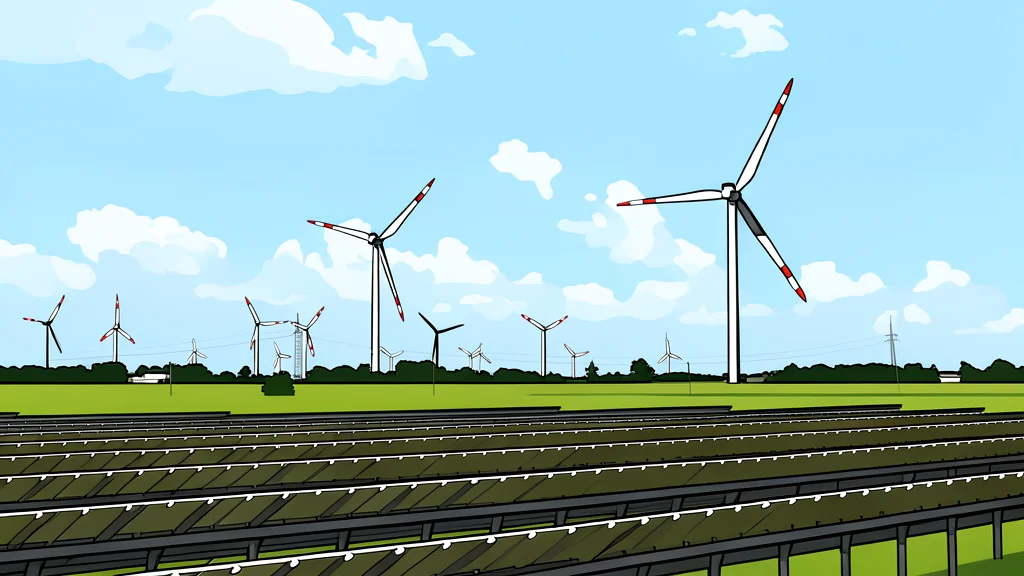
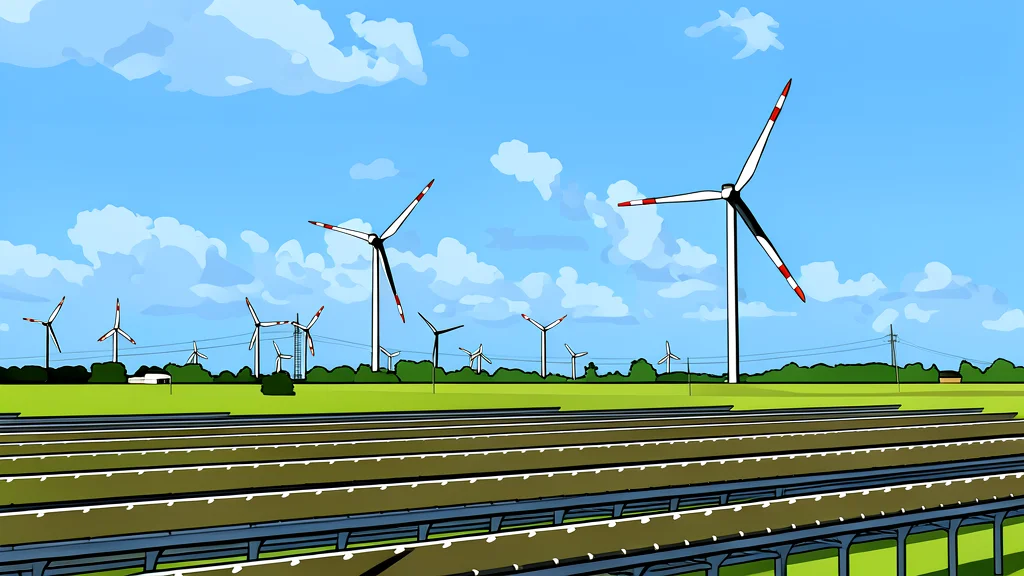
The expansion is not limited to generation share but is reflected in hard infrastructure metrics. As of the end of July, the country’s total installed electricity capacity stood at 126,476 megawatts. Within this total, solar assets accounted for 27,507 megawatts, representing 21.7% of the entire installed base. Wind capacity added another 15,358 megawatts, making up 12.1% of the total. Combined, these two renewable technologies now represent 42,865 megawatts, or 33.8% of Türkiye's total installed electricity capacity, signaling a substantial shift in the national energy infrastructure landscape.
July Sets New Generation Records
Recent operational data confirms the growing weight of renewables in actual power output. Solar power generation reached 5.37 billion kilowatt-hours in July, marking the highest monthly level recorded in the country's history. This peak performance demonstrates the increasing reliability and scale of solar output within the grid. The data suggests that solar is no longer a supplementary source but a primary driver of daily electricity supply during peak production months.
Strategic Goals and Infrastructure Plans
Energy and Natural Resources Minister Alparslan Bayraktar linked these operational gains to broader national objectives. He stated that the current transformation supports the goal of achieving full energy independence and a cleaner future. Bayraktar emphasized that the strategy focuses on leveraging local wind and solar resources to create strong infrastructure. The aim is to ensure that reliable, clean, and affordable energy remains accessible to all citizens, moving beyond simple capacity installation to systemic grid integration.
New Targets Announced at COP31
The ministry intends to build on this decade of growth by setting new quantitative targets for renewable energy. These updated goals are scheduled for announcement at COP31 in Antalya. While specific figures for the next period have not yet been disclosed, the commitment signals a continued policy push to increase the penetration of solar and wind in the electricity mix. The upcoming announcements will likely outline the next phase of infrastructure investment and regulatory frameworks supporting this transition.