Cerebras and Innodata: Divergent AI Financial Paths
Cerebras posted 75.7% revenue growth but a $75.7 million operating loss, while Innodata maintained a 12.8% net margin despite heavy customer concentration.
Cerebras Systems and Innodata present contrasting financial profiles in the artificial intelligence sector. Cerebras reported fiscal year 2025 revenue of $510.0 million, a 75.7% increase year-over-year. Despite a GAAP net income of $237.8 million, this figure was driven by a $363.3 million non-cash accounting adjustment. The company actually incurred an operating loss of $75.7 million, with free cash flow at negative $392.8 million. As of December 2025, Cerebras had 708 employees and a debt-to-equity ratio of -0.5x, indicating liabilities exceed equity.
Innodata generated approximately $251.7 million in revenue for fiscal year 2025, representing a 47.6% increase. The company achieved a net income of $32.2 million, resulting in a 12.8% net margin, down from 16.8% in the prior year. Innodata maintains a debt-free balance sheet with a debt-to-equity ratio of 0.0x and a current ratio of 2.7x. Free cash flow reached $35.6 million, although stock-based compensation accounted for 23.8% of operating cash flow, a non-cash expense that inflates reported cash generation.
Customer concentration drives Innodata risk
Innodata’s business model relies heavily on a limited number of large clients. One major customer accounted for approximately 58% of total revenue in fiscal year 2025. This extreme concentration also impacts accounts receivable, creating a significant risk if that client reduces spending. The company serves five of the Magnificent Seven tech firms, including Alphabet and Amazon, but the dependence on a single entity for more than half of its annual revenue limits diversification and increases vulnerability to shifts in one client’s strategy.
Cerebras faces hardware competition and cash burn
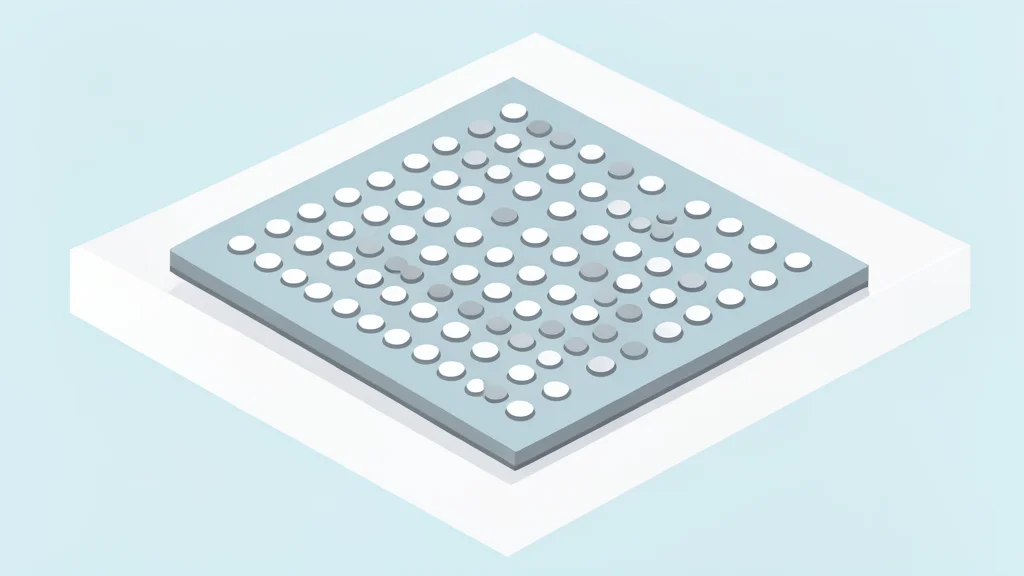
Cerebras competes directly with established giants like Nvidia in the AI hardware space. The company must justify high development costs by continuing to innovate its wafer-scale technology to maintain processing speed advantages. The negative free cash flow of $392.8 million highlights the capital intensity of its operations. Cerebras must scale manufacturing and secure a consistent pipeline of enterprise customers to transition from operational losses to sustainable positive cash flow, a challenge amplified by intense competition in the high-performance computing sector.
Valuation and balance sheet differences
The two companies exhibit starkly different balance sheet structures. Cerebras carries a negative debt-to-equity ratio of -0.5x, reflecting liabilities that exceed shareholder equity, while Innodata operates with zero traditional debt. Innodata’s current ratio of 2.7x suggests a stronger ability to cover short-term obligations with liquid assets compared to Cerebras’s 2.1x. According to analysis from GN auto stocks/technology: tech stocks, these financial metrics indicate that Innodata prioritizes balance sheet stability, whereas Cerebras is in a growth phase characterized by higher leverage and negative cash flow.