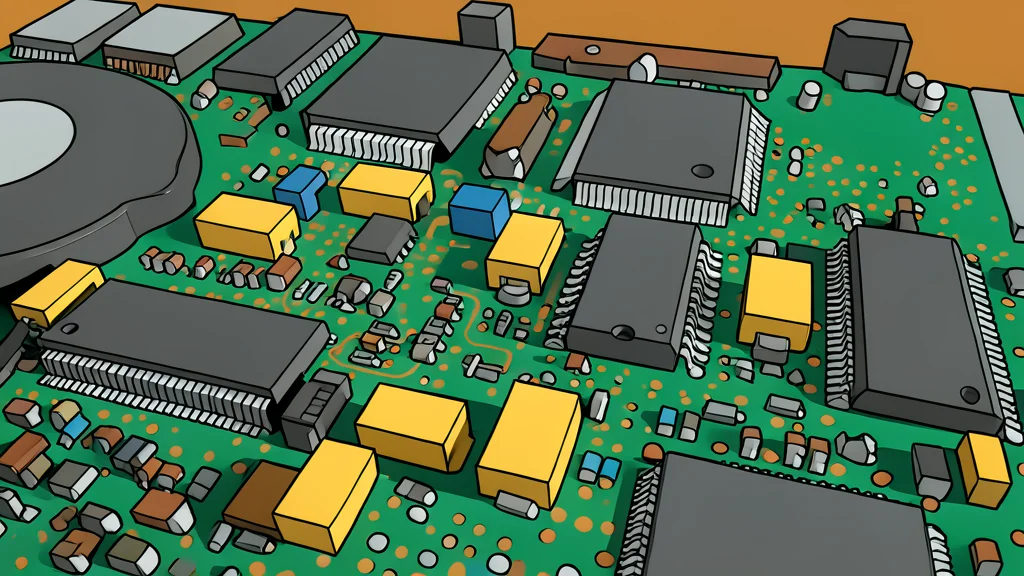
Chipmakers Rebound as AI Infrastructure Spending Accelerates
Semiconductor equities recovered from early-week regulatory fears as investors pivoted to earnings growth and capital expenditure metrics for AI infrastructure.
Semiconductor equities experienced a volatile week, with initial declines driven by artificial intelligence regulation concerns before a broad sector recovery. Investors shifted focus from policy risks to fundamental drivers, specifically earnings growth and the scale of capital expenditure in AI infrastructure. This shift in sentiment supported a rebound in chip stocks despite broader market uncertainty.
Micron Technology and Qualcomm are central to this infrastructure buildout, with analysts suggesting Micron may be undervalued given the early stage of the memory boom. Qualcomm, trading at approximately 22 times earnings, presents a valuation discount relative to peers, though its pivot toward AI infrastructure chips may close that gap. The sector's performance now hinges on upcoming earnings reports confirming the magnitude of these investments.
Memory Supply Chains Shift Toward Domestic Production
SK hynix is in early discussions with Intel regarding the manufacturing of memory chips in the United States. This potential partnership would validate the bull case for Intel by securing a critical supplier relationship for domestic production. However, analysts caution that early talks do not equate to a finalized deal, and the market impact remains speculative until a formal agreement is reached.
Valuation Discounts Persist in Major Technology Names
Alphabet trades at approximately 17 times earnings, a discount to the S&P 500 average, despite near-term fears regarding AI competition. This valuation gap is viewed as an attractive entry point for risk-tolerant investors who believe the market is overreacting to regulatory and competitive risks. The stock's performance is now decoupled from broader AI hype, relying instead on core business fundamentals and cash flow generation.
Nike's pending removal from the S&P 500 has been interpreted as a bearish signal, yet some analysts view it as an opportunity for investors seeking value. The index exclusion may reduce passive fund buying pressure, creating a discount that aggressive investors can exploit. This situation contrasts with the semiconductor sector, where index inclusion and AI narratives continue to drive premium valuations.
Regulatory Focus Extends Beyond Semiconductor Design
Tesla faces regulatory scrutiny over the design of its Cybercab, requiring a response to federal authorities. This interaction highlights that regulatory risks are not limited to software and chip design but extend to vehicle architecture and safety standards. The outcome of this review could impact Tesla's production timelines and its broader autonomy strategy, adding a layer of compliance risk to its operational outlook.
Rocket Lab continues to face stock price pressure despite operational wins, with the Neutron reusable rocket seen as a key catalyst for future valuation. The company's ability to translate technical milestones into revenue remains the primary concern for investors. This pattern of operational success not translating immediately into equity value is common in hardware-heavy sectors where capital intensity and execution risk remain elevated.