CXMT Mass Production Hits Micron, SK Hynix DRAM Margins
China’s CXMT boosts wafer yield by 50%, targeting mobile DRAM and increasing cost pressure on global memory rivals.
Key points
- CXMT's fifth-gen DRAM platform yields 50% more dies per wafer, improving cost efficiency in mobile memory.
- CXMT holds 9.5% global DRAM revenue, trailing Samsung, SK Hynix, and Micron in market share.
- Micron and SK Hynix face limited near-term risk due to their focus on HBM and server memory.
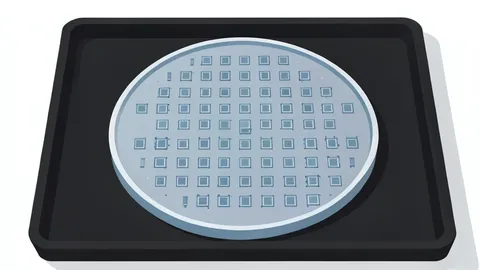
Micron Technology and SK Hynix face intensified competitive pressure as China’s ChangXin Memory Technologies begins mass production of its fifth-generation DRAM platform. CXMT announced the launch at the World Manufacturing Convention in Hefei, highlighting a capability that produces at least 50% more dies per wafer than its previous generation. This efficiency gain directly improves CXMT’s cost structure in conventional DRAM, a segment where Micron and SK Hynix maintain significant market shares.
The new platform includes two 24-gigabit LPDDR5X chips designed specifically for smartphones and portable devices. By optimizing die output, CXMT can lower production costs per unit, potentially forcing price adjustments across the mobile memory market. TrendForce data indicates CXMT already holds 9.5% of global DRAM revenue, positioning it as the third-largest supplier behind Samsung and SK Hynix.
Market Share Distribution in Global DRAM
According to TipRanks, the global DRAM revenue landscape is dominated by established players. Samsung leads with a 39.4% share, followed by SK Hynix at 24.9% and Micron at 23.3%. CXMT’s 9.5% share represents a meaningful foothold in the industry, particularly as its manufacturing efficiency improves. The remaining market is fragmented among other suppliers, but the top three companies control the majority of revenue streams.
The 50% increase in die yield per wafer is a critical metric for cost competitiveness. Higher yield means lower variable costs for CXMT, allowing the company to maintain margins even in a competitive pricing environment. This dynamic could compress margins for rivals in the conventional DRAM sector, where product differentiation is lower and price sensitivity is high.
Limited Near-Term Impact on HBM Businesses
Micron and SK Hynix have strategically shifted focus toward High Bandwidth Memory and server-grade products to capitalize on AI infrastructure demand. CXMT’s latest LPDDR5X chips target the mobile market, creating limited direct overlap with the high-end HBM segments. TrendForce notes that strong AI server demand has led memory makers to allocate more capacity to HBM, reducing immediate exposure to CXMT’s mobile-focused production.
The primary competitive risk for Micron and SK Hynix remains in conventional and mobile DRAM. If CXMT expands into server DRAM, the competitive pressure would intensify significantly. For now, the impact on HBM revenue is minimal, as the technology and market positioning of CXMT’s new products are distinct from the high-performance memory used in data centers.
Analyst Ratings Reflect Mixed Competitive Outlook
Despite the competitive developments, both Micron and SK Hynix maintain Strong Buy ratings from analysts. TipRanks data shows Micron has a 54.01% analyst upside potential, while SK Hynix has a 33.17% upside. These ratings reflect confidence in the companies’ long-term positioning in high-value memory segments, particularly HBM, which is less affected by CXMT’s current product lineup.
The divergence in upside potential suggests analysts view Micron as having stronger growth prospects relative to its current valuation. SK Hynix’s lower upside may reflect its larger existing market share in DRAM, making further expansion more challenging. Both companies are expected to manage the competitive pressure from CXMT through continued investment in advanced memory technologies.