Himax Technologies Unveils Automotive Display Chips Amid Valuation Debate
Himax Technologies launches new eDP TDDI chips for the automotive sector, testing the market's appetite for its AI infrastructure narrative against a steep multiple.
Himax Technologies (NasdaqGS:HIMX) has introduced the HX83196 and HX83197 eDP TDDI chips, targeting the automotive display market. The launch coincided with the company’s participation in the Vehicle Displays and Interfaces Symposium, signaling a strategic push to diversify revenue streams beyond traditional consumer electronics. This product rollout occurs against a backdrop of recent share price volatility, with the stock down 6.4% over the last seven days and 13.2% over the past month, despite a strong 55% year-to-date gain.
The recent pullback has widened the gap between the current trading price of $13.22 and the most cited fair value estimate of $30.20. This disparity reflects a market divided between bullish expectations for future growth and caution regarding current valuation levels. Investors are closely monitoring how this new automotive segment will contribute to overall revenue, particularly as the company seeks to leverage its technological capabilities in high-bandwidth applications.
Automotive Chip Launch Targets Display Market
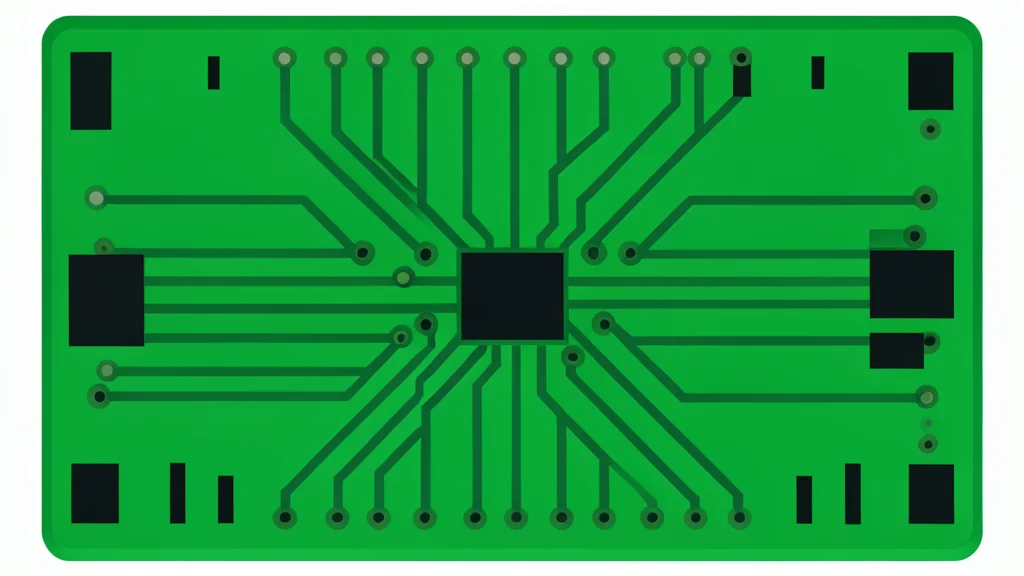
The new HX83196 and HX83197 chips are designed for embedded DisplayPort (eDP) timing and display driver integration (TDDI), a critical component for modern in-vehicle infotainment systems. By entering this sector, Himax aims to capture demand for higher-resolution and more responsive displays in vehicles. This move complements the company’s existing portfolio and addresses specific bandwidth requirements in automotive interfaces, where reliability and performance are paramount.
The timing of this launch is significant, as it follows a period of mixed performance in the stock. While the 1-year total shareholder return stands at 62.8%, recent short-term declines suggest that investors are reassessing the sustainability of the recent rally. The automotive segment is viewed as a potential stabilizer for revenue, providing a counterbalance to cyclical demand in consumer electronics. However, penetration into this market requires sustained engineering support and certification processes, which may delay immediate financial impact.
AI Infrastructure Narrative Drives Valuation Gap
A primary driver of the elevated valuation expectations is Himax’s progress in co-package optics (CPO). The company anticipates mass production of high-speed optical transmission solutions in 2026, targeting the exponential bandwidth needs of high-performance computing (HPC) and AI data centers. This technology is expected to serve as a major revenue contributor, with analysts projecting significant margin expansion as adoption scales. The potential for outsized revenue growth in the AI infrastructure sector underpins the aggressive fair value estimates currently in circulation.
However, this narrative relies heavily on the successful execution of the CPO roadmap. Any delays in mass production or slower-than-expected adoption in data centers could undermine the growth assumptions supporting the current price premium. The company’s ability to translate technological breakthroughs into tangible revenue streams is the central issue for investors. As noted in coverage by GN auto stocks/technology: chip stocks, the intersection of automotive and AI infrastructure presents both opportunity and execution risk.
Premium Valuation Exposes Execution Risks
Market ratios indicate that Himax is trading at a premium relative to its peers. The stock’s price-to-earnings (P/E) ratio of 65.4x exceeds the US semiconductor industry average of 45.3x and the peer average of 51.6x. It also sits above a calculated fair ratio estimate of 50.5x. This premium implies that the market has already priced in substantial future growth and margin improvements. If these gains do not materialize at the projected pace, the stock faces significant downside correction risk.
Operational risks further complicate the investment case. Himax faces sector-specific demand swings in both automotive and consumer electronics, which can lead to revenue volatility. Additionally, rising cost pressures have already impacted operating margins, squeezing profitability. The combination of high valuation, margin compression, and dependency on future AI infrastructure adoption creates a complex risk profile. Investors must weigh the potential upside from new product launches against the likelihood of valuation re-rating if growth targets are missed.