VanEck Flags Power Shortfall as Risk to Nvidia Earnings Streak
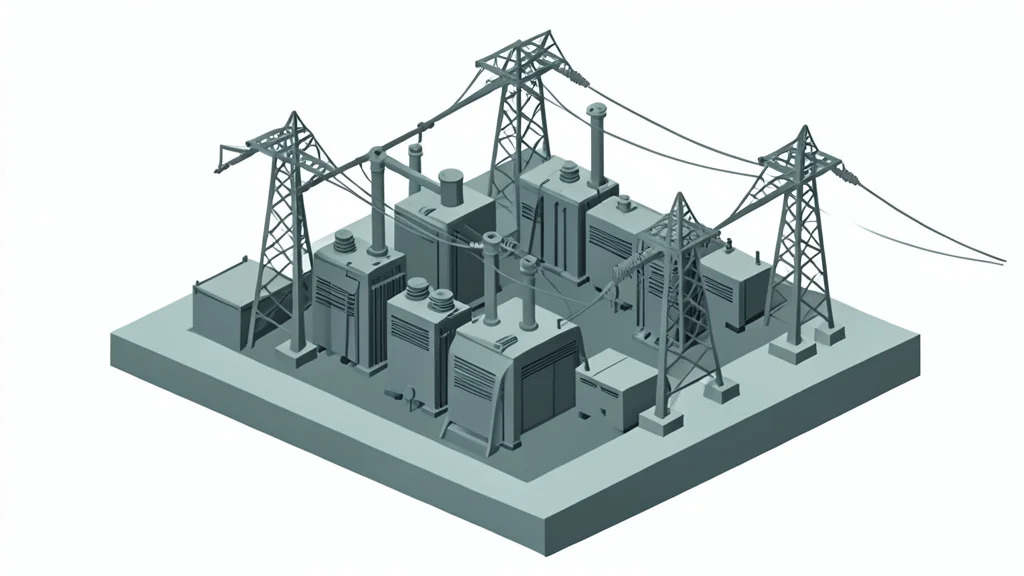
VanEck warns that insufficient grid capacity could prevent Nvidia from meeting revenue targets despite strong AI demand, citing a critical energy gap.
Key points
- VanEck projects a 30-gigawatt power requirement for AI chips by 2027, exceeding expected new grid capacity of 15-25 gigawatts annually.
- Each gigawatt of power shortfall equates to approximately $37 billion in lost revenue for Nvidia, or 6% of total sales.
- Analysts expect Nvidia to report $2.38 in EPS and $104.19 billion in revenue for the third quarter, extending its beat streak.
Nvidia’s fifteen-quarter streak of beating analyst estimates faces a structural threat that has nothing to do with chip demand. VanEck analysts argue that the primary risk to upcoming results is the inability of customers to secure sufficient electricity to operate the hardware. This supply-side constraint could force a revenue miss even if sales volume remains robust.
The asset manager projects that chips from Nvidia, AMD, and Broadcom will require approximately 30 gigawatts of U.S. power by 2027. However, only 15 to 25 gigawatts of new data center capacity with available power are expected to come online annually. VanEck notes that the risk of customers failing to energize equipment outweighs the risk of miners failing to lease megawatts.
Energy Gap Impacts Revenue Projections
VanEck estimates that every gigawatt of power shortfall represents roughly $37 billion in lost revenue for Nvidia. This equates to approximately 6% of the company's total revenue. A potential three-gigawatt deficit could therefore result in an 18% drop in expected earnings, directly impacting the bottom line regardless of unit sales.
Analyst Expectations for Third Quarter
Market consensus expects Nvidia to report third-quarter earnings per share of $2.38, up from $1.30 in the prior year. Revenue is projected at $104.19 billion, a significant increase from $57.01 billion reported a year earlier. This figure would also surpass the previous record of $96.22 billion set in the second quarter of the current fiscal year.
Historical Consistency Versus Current Constraints
Benzinga Pro data confirms that Nvidia has beaten revenue estimates for sixteen consecutive quarters. The company has also exceeded earnings per share targets in the last fifteen periods. VanEck’s assessment suggests that while demand remains high, physical infrastructure limitations may prevent the company from converting that demand into realized revenue by November.