Nasdaq-100 Peak Entry Yields 7.2x Return After 25 Years
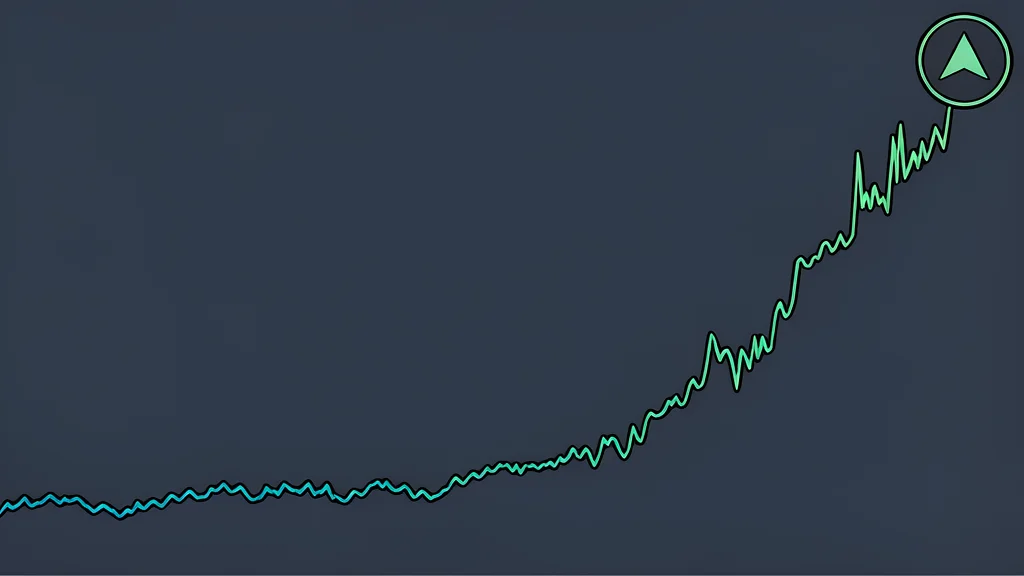
A $10,000 investment in the Invesco QQQ Trust at the March 2000 bubble peak has grown to approximately $72,000, though the path involved an 83% drawdown and a 15-year wait for breakeven.
Invesco QQQ Trust (NASDAQ:QQQ) closed at $117.75 on March 27, 2000, marking the all-time peak for the Nasdaq-100 index it tracks. That price remained the fund's high-water mark for 16 years. Despite this historically worst-timed entry, a $10,000 stake made at that close, with dividends reinvested, is now worth roughly $72,000. This represents a total return of 7.2 times the initial capital over 26.5 years.
The recovery was not linear. The fund dropped to $20.06 by October 2002, an 83% decline from the peak. At that bottom, the initial $10,000 investment was worth only $1,700. It took until February 2015 for the investment to return to even with dividend reinvestment. The share price itself did not close above the 2000 peak until September 2016. According to reporting by GN stocks/sp500, the annualized return from that specific entry point works out to approximately 7.8%.
Index Rotation Outpaced Individual Leaders
The fund's recovery preceded the recovery of its constituent giants. Cisco Systems (NASDAQ:CSCO) did not close above its March 2000 high of $80.06 until December 2025, a wait of over 25 years. Intel (NASDAQ:INTC) held its 2000 closing high until April of this year. Microsoft recovered its 2000 peak only in 2016. The Nasdaq-100 recovered its own peak before these specific leaders because the index is float-adjusted and weight-based.
As market leadership shifted from the dot-com era to the current AI-driven cycle, the index automatically rotated toward new winners. The investor who bought at the top of the 2000 bubble was eventually compensated by the performance of companies that were not leaders in 2000. This structural design allowed the fund to escape the stagnation of its original heavyweights.
Broad Market Performance Matched Concentrated Growth
A comparison with the S&P 500 reveals that the Nasdaq-100's premium valuation did not guarantee superior returns over the long term. The SPDR S&P 500 ETF Trust (NYSEMKT:SPY), purchased at the same March 2000 close with dividends reinvested, is now worth approximately 8 times the original stake. This slightly outperforms the Nasdaq-100's 7.2x return.
Paying bubble-era multiples for a concentrated growth index resulted in a quarter-century where the broader, cheaper market performed comparably. The current QQQ fund trades near $717, within 4% of its 52-week high. Nearly half of its assets are concentrated in the top 10 holdings, led by Nvidia, Apple, and Microsoft. This concentration mirrors the 2000 era, creating a familiar risk profile despite different underlying drivers.