S&P 500 Hits Best Day Since August as Trump and Xi Meet
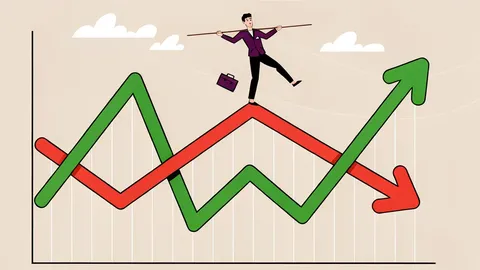
AI stocks drove the S&P 500 to a 1.5% gain, its best performance since August, ahead of the US-China summit.
Key points
- The S&P 500 rose 1.5% on Monday, marking its best daily performance since August 4.
- Intel, AMD, and Qualcomm saw double-digit gains as AI stocks led the broader market rally.
- US-China trade truce expires November 10, with effective tariffs on Chinese goods remaining near 23%.
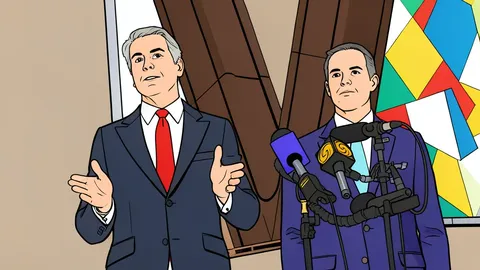
Wall Street recorded its strongest single-day performance since early August on Monday, driven by a sharp rally in semiconductor and artificial intelligence equities. The S&P 500 index climbed 1.5%, while the Nasdaq Composite surged 2.3% to close at a record high not seen since June. This market optimism emerged directly ahead of the second annual summit between US President Donald Trump and Chinese President Xi Jinping in Washington.
The gain in equity markets coincided with a significant drop in crude oil prices, which fell more than 4%, and a decline in US Treasury yields. These shifts reduced inflationary pressure following the Federal Reserve's recent decision to raise interest rates for the first time in three years. According to Yahoo Finance, the market reaction was heavily influenced by expectations that the US-China trade truce would hold, providing stability to global supply chains.
Semiconductor stocks lead broad market gains
Leading the broader market rally were major technology firms heavily involved in the AI sector. Intel, Advanced Micro Devices, and Qualcomm all posted double-digit percentage increases in share price. This surge reflects investor confidence in the continued expansion of AI infrastructure, a priority for the US administration. Trump has publicly emphasized that the United States is leading the global AI race, a stance that boosts investor sentiment in these specific companies.
Treasury Secretary Scott Bessent noted that discussions included a mechanism for the two nations to notify each other of AI-related incidents. While no comprehensive trade deal was signed, the preservation of the existing truce is seen as a positive factor for corporate earnings in the tech sector. The market's reaction suggests that investors are pricing in a continuation of the current de-escalation trend rather than a new breakthrough agreement.
Trade truce faces expiration and tariff hurdles
The current one-year trade truce, established in Busan, South Korea, is set to expire on November 10, shortly after the US presidential election. Despite the recent de-escalation, the effective US tariff rate on Chinese goods remains near 23%, one of the highest levels applied to any major trading partner. Analysts expect a modest extension of the current terms rather than a substantial reduction in these barriers during this week's talks.
Under the Busan agreement, China suspended rare earth export controls and committed to purchasing additional US agricultural products. In exchange, Washington eased certain tariffs on Chinese imports. Bessent indicated that progress is being made on reciprocal tariff cuts for non-critical goods. However, the high baseline tariff rates continue to impact the cost structure for companies importing from or exporting to China, creating a persistent headwind for cross-border trade volumes.
Iran sanctions add complexity to bilateral talks
The agenda for the summit is complicated by Washington's sanctions targeting Iranian financial enablers. As China is Iran's largest trading partner, these measures place Beijing in a difficult diplomatic position. Bessent confirmed that the two governments discussed the sanctions program over the weekend, but no direct action against Chinese entities has been announced. The uncertainty surrounding this issue adds a layer of risk to the broader US-China economic relationship.
The interplay between AI competition, tariff levels, and third-party sanctions creates a complex environment for market participants. The recent rally in tech stocks suggests that investors are currently prioritizing the potential for AI growth over the risks posed by geopolitical friction. However, any failure to extend the trade truce or further escalation in sanctions could quickly reverse these gains, given the high sensitivity of global markets to US-China policy shifts.