S&P 500 Near Peak While 60% of Stocks in Bear Territory
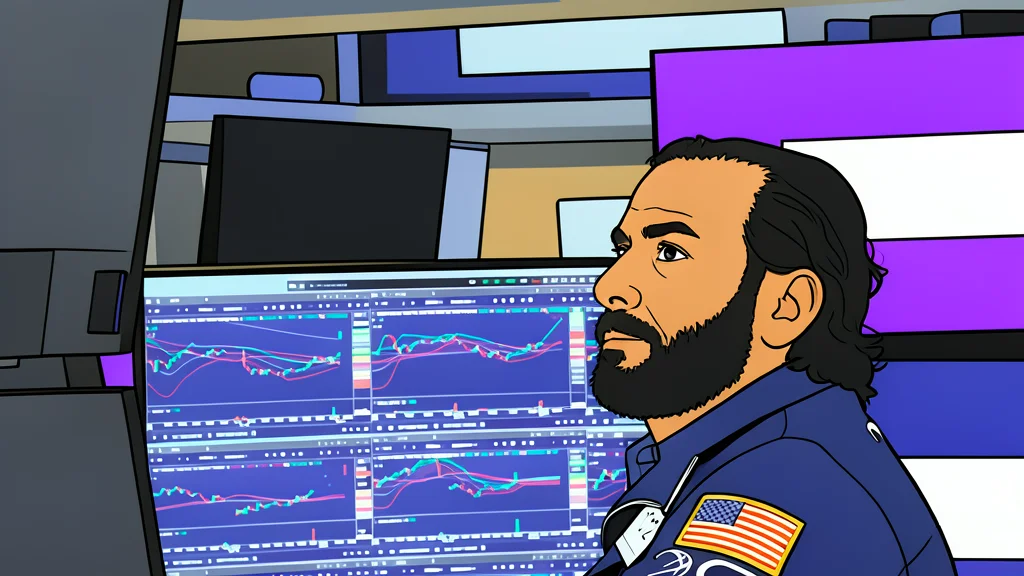
A historic divergence sees the S&P 500 near all-time highs while nearly 60% of its components trade more than 20% below their peaks.
Key points
- 59.2% of S&P 500 stocks are trading over 20% below their all-time highs despite the index being near records.
- Only 7 S&P 500 components hit 52-week highs on a recent day, while 30 hit 52-week lows, a rare divergence.
- AI infrastructure spending of approximately $1 trillion supports the rally in a few large tech stocks, masking broader weakness.
The U.S. equity market is experiencing a rare divergence where broad indices are approaching record highs while the majority of individual stocks remain deeply depressed. The S&P 500 is currently within 1% of its all-time peak, yet 59.2% of its constituent companies are trading more than 20% below their respective historical highs, a threshold typically defining a bear market for those specific firms. According to data cited by chosun.com, this level of dispersion indicates that the recent rally is driven by a narrow subset of large-cap technology stocks rather than broad economic strength.
This concentration effect was highlighted on a recent trading day when only seven S&P 500 components reached 52-week highs, while 30 others hit 52-week lows. This specific ratio of new lows to new highs has not occurred during a period of rising index values since December 1999, just months before the dot-com bubble burst. The last other instance of such extreme divergence while the index rose more than 1% was recorded in July 1929, preceding the 1929 crash, underscoring the unusual nature of the current market structure.
Tech Giants Drive Index Performance
The primary driver of this disparity is the outsized market capitalization of artificial intelligence-related equities. As these large technology firms surge in value, they disproportionately lift market-cap-weighted indices like the S&P 500 and Nasdaq. This mechanical effect allows the overall index to post gains even when the broader market breadth is weakening significantly. Strategists note that sectors such as utilities, auto parts, textiles, and luxury consumer goods are trading significantly below their 52-week highs, creating a stark contrast with the performance of the index leaders.
AI CapEx Supports Narrow Rally
The strength in AI-related stocks is underpinned by massive projected capital expenditures for infrastructure, with estimates suggesting approximately $1 trillion will be invested over the next few years. This specific investment cycle provides a direct revenue and valuation boost to the few companies dominating the index. Consequently, the financial health of these specific firms is decoupling from the broader economic landscape, where other industries face significant headwinds.
Macro Pressures Weigh on Other Sectors
Traditional industries and consumer-focused companies are struggling with overlapping macroeconomic burdens, including high oil prices, persistent inflation, and elevated interest rates. These factors increase borrowing costs and energy expenses, directly impacting margins for firms outside the AI sector. While some analysts caution against equating this divergence with an imminent broad downturn, noting that first-half corporate earnings have been more resilient than expected, the current environment reflects a massive rotation of capital into a narrow group of beneficiaries.