Centuri Leverages Utility Backlog Growth Amid Rising Power Demand
Centuri Holdings is capitalizing on expanded energy infrastructure needs, with its backlog growth driven by master service agreements and new data center projects.
Centuri Holdings, Inc. (NYSE:CTRI) is positioning itself as a critical component of North American energy infrastructure by expanding its service footprint across electric and natural gas networks. The company’s operating model relies heavily on contracted work and master service agreements, which provide a recurring revenue stream distinct from discretionary consumer demand. This structure allows Centuri to maintain visibility into future earnings through a substantial backlog of committed projects.
Recent reporting periods indicate a significant increase in the company's backlog, supported by new project awards and the renewal of long-term service contracts. By securing these multi-year agreements, Centuri mitigates the volatility associated with short-duration commercial projects. The firm’s geographic reach across the United States and Canada further diversifies its exposure to varying regional construction requirements and infrastructure upgrade cycles.
Utility Contracts Anchor Operational Stability
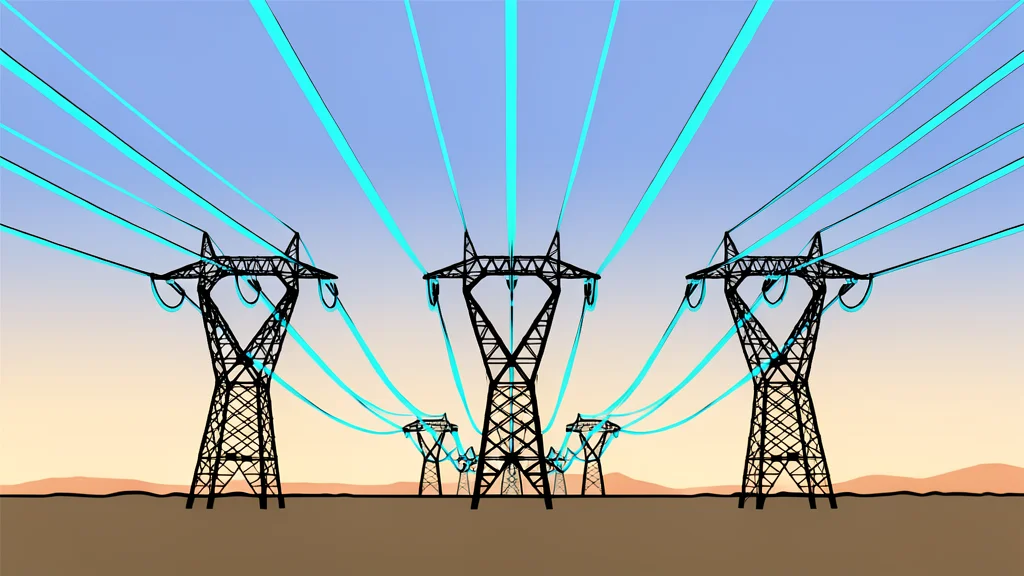
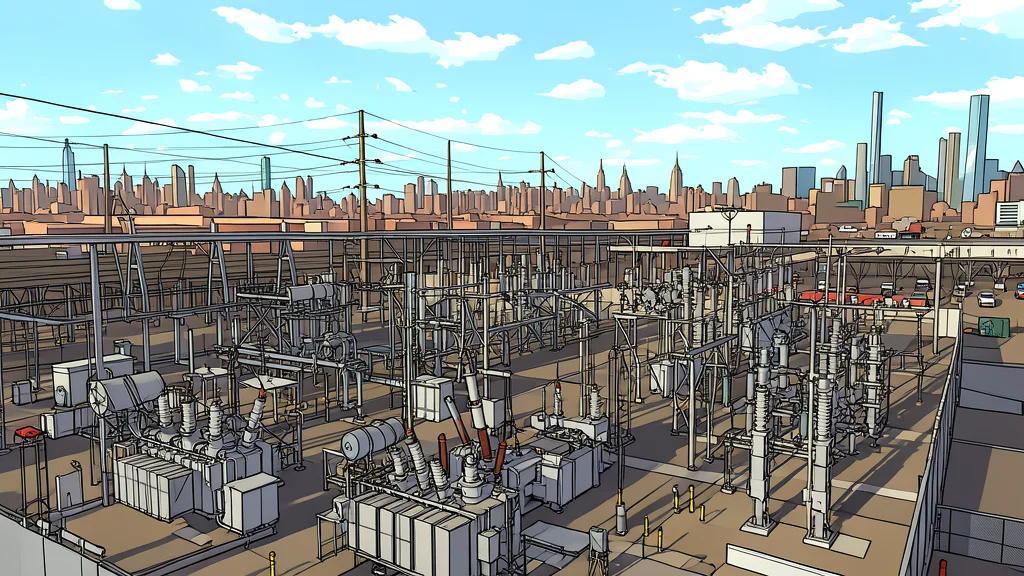
The core of Centuri’s business remains the maintenance, replacement, and modernization of regulated utility infrastructure. Natural gas distribution systems constitute a major portion of its activity, involving retrofitting and installation work across extensive distribution networks. Simultaneously, electric infrastructure has grown in importance, with projects spanning distribution systems and transmission networks. This dual focus allows the company to serve multiple segments of the energy sector, addressing both ongoing maintenance needs and capacity expansion.
Master service agreements form the backbone of this stability, establishing continuing relationships with utility customers that cover recurring construction and maintenance requirements. Unlike businesses dependent on sporadic, short-cycle commercial activity, Centuri benefits from a steady flow of work derived from these entrenched contracts. This predictable revenue base is essential for managing the capital-intensive nature of infrastructure construction and maintaining operational efficiency across its diverse geographic markets.
Data Center Demand Drives New Growth
Beyond traditional utility work, Centuri is capturing new opportunities in the data center sector. Large computing facilities require substantial electricity infrastructure and supporting utility connections, creating a direct link between digital expansion and physical infrastructure buildout. The rise of artificial intelligence computing has intensified electricity requirements for these data-intensive facilities, leading to increased construction demands for power infrastructure. Centuri has identified this segment as a key area of project activity, leveraging its existing capabilities to support the physical needs of the tech sector.
This expansion into data center support represents a strategic diversification that aligns with broader trends in energy consumption. As electricity demand shifts and network capacity expands, the need for robust distribution and transmission infrastructure grows. Centuri’s ability to provide services connected with distributed power and renewable energy integration further positions it to benefit from the evolving energy landscape, ensuring that its revenue streams remain aligned with long-term structural demand.
Positioning Within NYSE Composite
Within the NYSE Composite, Centuri stands out as a specialized infrastructure provider rather than a generalist utility player. Its model, centered on contracted utility work and backlog visibility, differentiates it from companies reliant on variable consumer demand. The firm’s focus on cash generation as infrastructure activity expands across energy networks underscores a disciplined approach to growth. By tying its performance to the physical expansion of North American energy grids, Centuri offers a tangible link to the ongoing modernization of critical infrastructure, a sector that remains fundamental to economic stability and technological advancement.