Chubu Electric Executives Resign over Nuclear Data Fraud
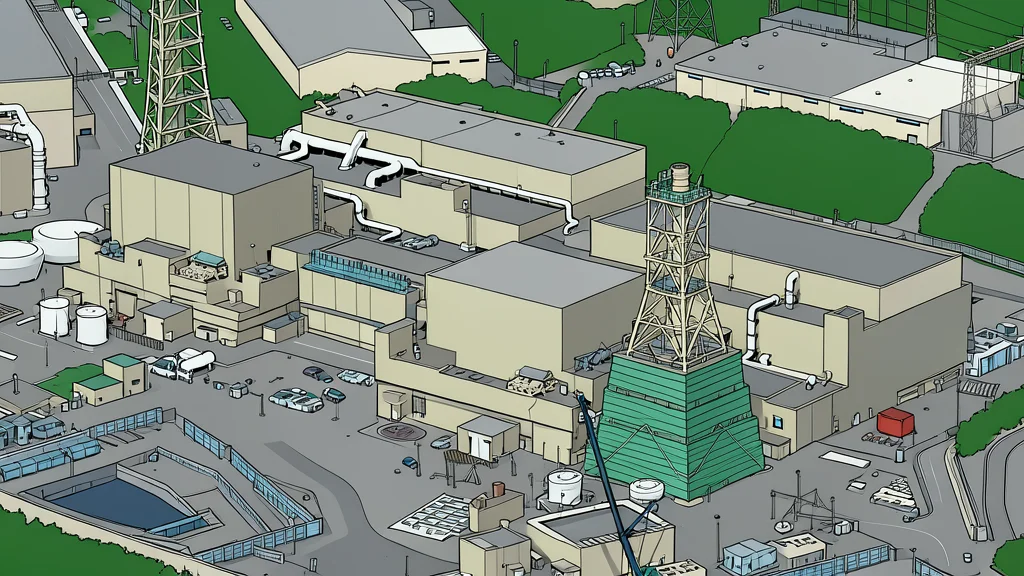
Chubu Electric Power Co. announces top leadership resignations and withdrawal of restart applications for two Hamaoka reactors following findings of systemic seismic data manipulation.
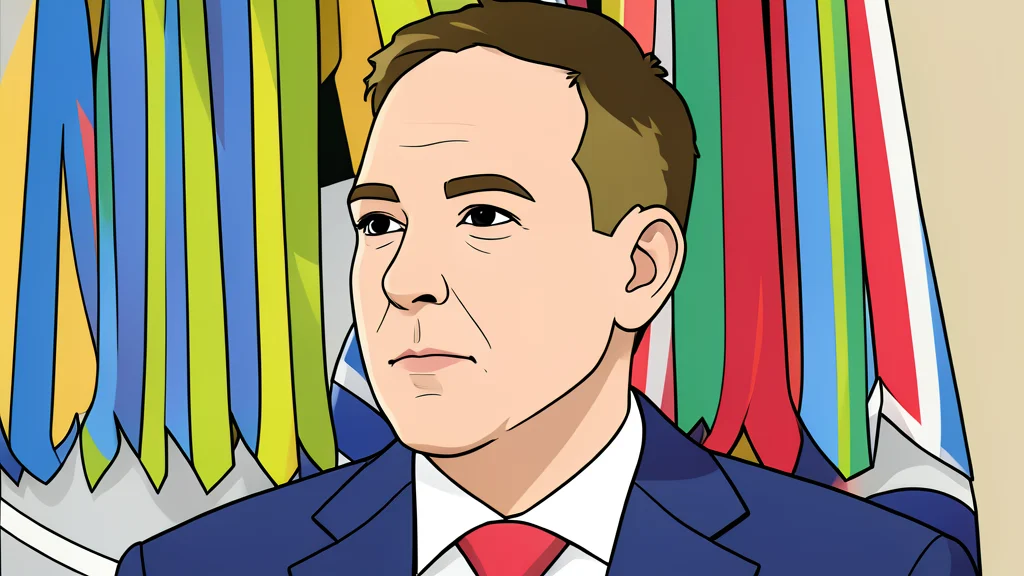
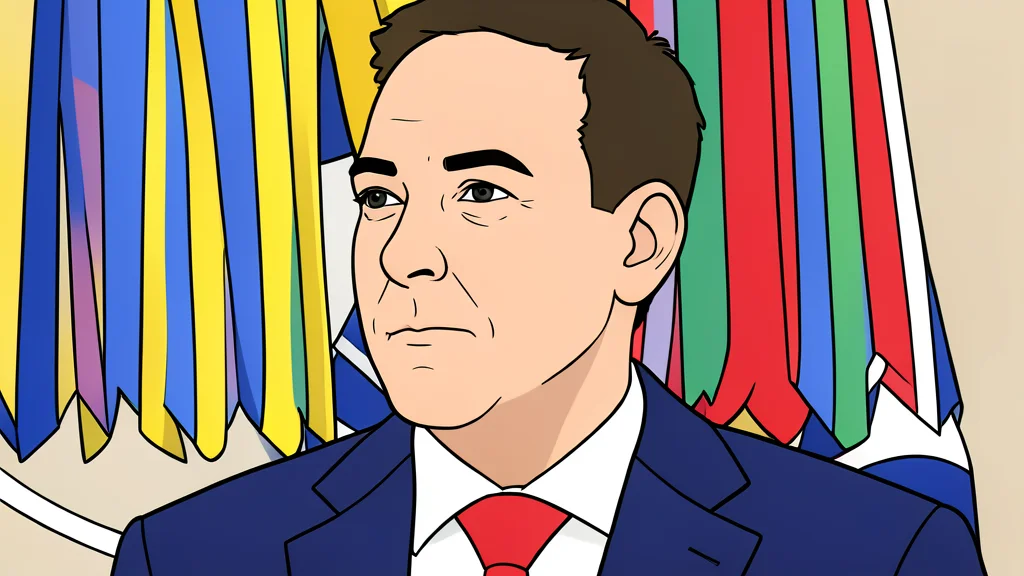
Chubu Electric Power Co., Japan’s third-largest utility, confirmed on Monday that President Kingo Hayashi and Chairperson Satoru Katsuno are resigning to accept responsibility for years of falsified earthquake safety data associated with two nuclear reactors. The management changes follow an outside investigation that revealed the company manipulated seismic figures to meet regulatory requirements for the Hamaoka No. 3 and No. 4 units.
In direct response to the integrity issues, the utility is withdrawing its pending applications to restart these two reactors. Hayashi stated that the company had serious governance failures and that regaining public trust is now the primary operational priority. The executive departures are effective September 30, with Director Minoru Yasui scheduled to assume the presidency on October 1.
Internal Pressure Cited for Data Manipulation
The investigative panel determined that while Hayashi and Katsuno were not directly involved in altering the data, their leadership created an environment conducive to misconduct. The report indicates that top management set early reactor resumption as a critical business target and harshly reprimanded teams involved in the permitting process due to prolonged screening delays. This pressure likely incentivized staff to manipulate figures to satisfy regulatory thresholds for the Hamaoka No. 3 and No. 4 units.
Regulatory Suspension Halts Hamaoka Restart
Chubu Electric originally applied for safety screening for the Hamaoka No. 3 and No. 4 reactors in 2014 and 2015. However, the Nuclear Regulation Authority suspended these screenings in December after an internal investigation triggered by a whistleblower tip. The Hamaoka plant, located approximately 200 kilometers west of Tokyo, sits in a coastal region exposed to risks from Nankai Trough megaquakes. Two other reactors at the site are currently being decommissioned, while a fifth remains idle.
Strategic Shift Amid Energy Policy Pressure
The scandal unfolds while Prime Minister Sanae Takaichi’s government accelerates nuclear restarts to address rising energy costs and carbon reduction targets. Hayashi affirmed that nuclear generation remains a vital component of Japan’s energy mix and indicated the utility will reapply for restarts after implementing corrective measures. As of now, 11 of Japan’s 54 commercial reactors are in operation, with 20 offline and over 20 in decommissioning, according to regulatory data.