Chubu Electric Power Drops Reactor Restart Plans Amid Data Scandal
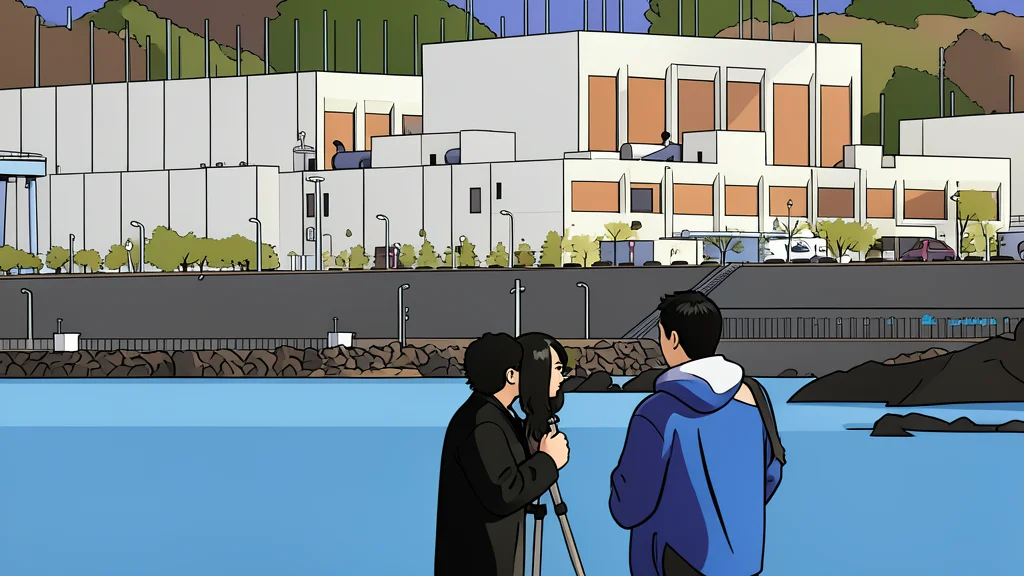
Chubu Electric Power will abandon its bid to restart two Hamaoka reactors after admitting it underestimated seismic risks in regulatory filings, triggering executive resignations.
Chubu Electric Power has withdrawn its application to restart two reactors at the Hamaoka nuclear plant, a decision forced by the discovery that the company submitted inaccurate earthquake data to regulators. The move signals a significant operational setback for the utility, which had aimed to bring the facility back online to bolster Japan's energy security. In response to the misconduct, President Kingo Hayashi and Chairman Satoru Katsuno are set to resign, marking a major leadership shakeup at the firm.
The crisis stems from a whistleblower complaint that prompted the Nuclear Regulation Authority to suspend the safety review process in late December. An independent panel’s 250-page report attributed the data fraud to internal pressure created by management reprimands over delays in the review. The company had previously estimated maximum seismic ground motion at 1,200 gal, a figure regulators approved in September 2023, but the subsequent investigation revealed the initial submissions had underestimated the actual risk.
Operational Halt Due To Seismic Data Fraud
The Hamaoka plant, located in Omaezaki, Shizuoka prefecture, sits near the Nankai Trough, a seismic fault line where a massive Pacific earthquake is expected in the coming decades. Because the accuracy of seismic ground motion estimates is critical for earthquake-resistant design, the discovery of underestimations invalidates the safety case for restarting the two affected reactors. The withdrawal of the review application effectively halts any near-term operational expansion for this specific site.
Strategic Shift In Japan Nuclear Revival
This incident complicates Japan’s broader strategy to revive nuclear power to reduce fossil fuel dependence and meet carbon neutrality targets by 2050. While the country successfully restarted the Kashiwazaki-Kariwa reactor earlier this year to address growing energy demands from artificial intelligence, the Chubu Electric Power scandal underscores the regulatory and reputational risks associated with the sector. The firm’s inability to progress with Hamaoka leaves a gap in its planned energy mix, forcing a reassessment of its long-term generation capacity.
Management Blame Cited In Independent Report
The independent panel explicitly linked the misconduct to internal corporate culture, stating that management pressure over review delays contributed to staff falsifying data. This finding shifts the narrative from a simple technical error to a systemic governance failure. For Chubu Electric Power, the resignation of top executives and the abandonment of the restart plan represent a direct financial and strategic cost, as the company loses a potential revenue stream and faces heightened scrutiny from the Nuclear Regulation Authority and the public.