Chubu Electric Withdraws Hamaoka Restart Bids After Control Panel Fire
A minor electrical fire at the idled Hamaoka nuclear plant coincides with Chubu Electric's decision to abandon regulatory screening for its No. 3 and No. 4 reactors, citing ongoing data manipulation concerns.
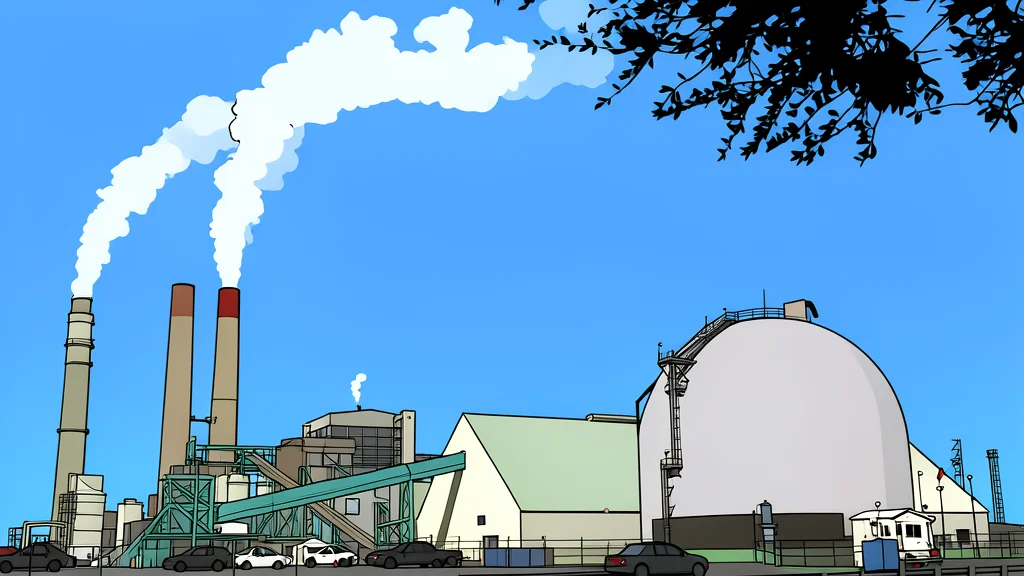
Chubu Electric Power reported a small fire in a control panel at its Hamaoka nuclear facility in Shizuoka Prefecture on Tuesday. The incident, which occurred around 10:40 a.m., was detected by a worker inspecting equipment related to the No. 3 reactor's central control room. The local fire department confirmed the blaze was fully extinguished approximately 30 minutes later. The company stated that no injuries occurred and the event did not affect the safety of the plant, which remains in an idled state.
The fire originated in a building used for power disconnection and connection procedures. The worker was present to check electrical shock prevention equipment that had failed to operate correctly after recent installation work. Chubu Electric issued a formal apology for the incident and pledged to conduct a thorough investigation into the cause. This event highlights operational challenges in maintaining legacy infrastructure while the company navigates broader regulatory and reputational hurdles.
Regulatory Bids Withdrawn Amid Scandal
Simultaneously with the fire incident, Chubu Electric announced it is withdrawing its applications for the regulatory screening required to restart the No. 3 and No. 4 reactors at the Hamaoka plant. This decision stems directly from the company's earthquake data manipulation scandal, which has severely undermined its credibility with regulators and the public. By pulling out of the restart process, the utility removes a key segment of its future power generation capacity from the market equation.
The withdrawal signifies a significant strategic shift for Chubu Electric, effectively pausing long-term plans to utilize the Hamaoka site for baseload power generation. The company must now rely on alternative energy sources or grid purchases to meet demand in the region. This move isolates the Hamaoka plant from the immediate revenue stream associated with nuclear operations, forcing a reassessment of its asset valuation and operational strategy.
Operational Integrity Under Scrutiny
The occurrence of a fire in a control panel, even while the reactor is idle, raises questions about the maintenance protocols for critical support systems. The failure of the electrical shock prevention equipment necessitated the inspection that led to the discovery of the fire. For a utility managing high-risk nuclear assets, any deviation in safety equipment performance invites heightened scrutiny from both internal compliance teams and external oversight bodies.
Chubu Electric's apology and promise to investigate underscore the importance of transparent communication during such incidents. The company must demonstrate that its safety culture remains intact despite the recent data scandals. Investors and stakeholders will closely monitor the results of the investigation to assess whether this incident reflects a broader issue with equipment maintenance or was an isolated event. The outcome will influence confidence in the company's ability to manage its remaining operational assets safely.
Market Impact of Nuclear Withdrawal
The decision to withdraw from the Hamaoka restart process removes a potential source of low-cost, baseload electricity from Chubu Electric's portfolio. This could impact the utility's long-term cost structure and profitability, as it may need to procure power from more expensive marginal sources or invest in alternative generation technologies. The market will watch how this withdrawal affects the company's guidance and capital allocation strategies in the coming quarters.
According to GN auto stocks/utilities: power plant, the interplay between operational incidents and regulatory strategy is becoming a defining factor for nuclear utilities in Japan. Chubu Electric's actions reflect a cautious approach to risk management, prioritizing regulatory compliance and reputational recovery over aggressive capacity expansion. This conservative stance may limit near-term growth opportunities but aims to stabilize the company's long-term position in the energy market.