Colorado Utilities Face Federal Pushback on Coal Phase-Out
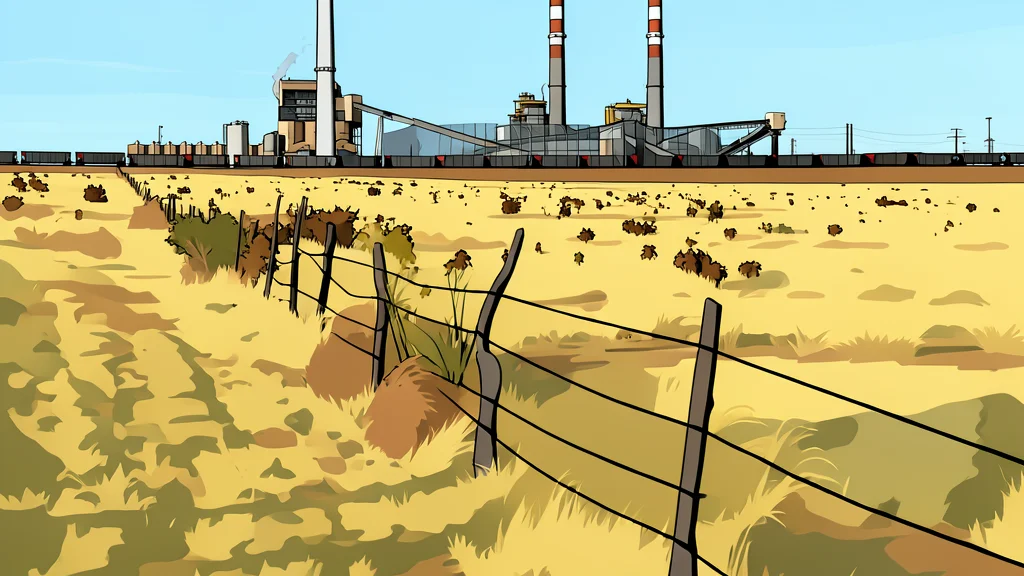
State officials and major utility providers in Colorado are bracing for a federal regulatory shift that threatens to delay the closure of remaining coal-fired power plants.
Colorado’s governor and senior administrators have formally opposed the Trump administration’s proposal to rescind federal rules mandating greenhouse gas reductions at coal-fired power plants. The state’s leadership argues that reversing these regulations would undermine efforts to lower electricity costs and protect the reliability of the regional grid. This stance directly conflicts with the federal Environmental Protection Agency’s move to roll back pollution limits, a change that would remove a key regulatory driver for retiring aging thermal assets.
The opposition is grounded in the state’s broader energy strategy, which targets net-zero emissions by 2050. State officials warn that preserving coal infrastructure through federal deregulation will likely increase consumer prices due to higher fuel costs and necessary investments in aging equipment. They contend that the administration’s approach prioritizes an obsolete fuel source over the economic and environmental benefits of transitioning to cleaner, more reliable energy sources.
Xcel Energy Maintains Emission Reduction Trajectory
Xcel Energy, the state’s largest electricity provider, stated it will continue executing its approved resource plans despite the federal regulatory uncertainty. The company reported reducing carbon emissions from electricity generation by 58 percent from 2005 levels as of the end of 2025. A company spokeswoman emphasized that Xcel supports a durable federal framework that allows for necessary investments to meet growing electricity demand. The utility remains focused on delivering benefits to customers while managing its transition away from coal.
However, the path to closing coal plants is not without operational hurdles. Colorado Springs Utilities has signaled its intent to keep the Raymond D. Nixon plant open longer than previously scheduled to address rising customer demand. Similarly, Xcel has requested to extend the operation of one of its Comanche plants in Pueblo. These extensions highlight the complex balance between regulatory targets and the immediate need to secure sufficient power supply for the region.
Federal Legal Challenges Disrupt Plant Closures
Legal and regulatory conflicts have already delayed specific closure timelines. In January, the EPA determined that Colorado cannot order the closure of coal plants under the Clean Air Act, subsequently denying the state’s plan to reduce haze in Rocky Mountain National Park. Additionally, the U.S. Department of Energy issued an emergency order in late December requiring Tri-State Generation and Transmission Association to keep its 45-year-old Unit 1 at the Craig Generating Facility operational. This order was issued after a malfunction rendered the unit inoperable, forcing the operator to incur costs for repairs and continued operation.
Colorado Attorney General Phil Weiser, alongside six environmental groups, has filed a petition to challenge the emergency order, which remains in effect. The Sierra Club’s Beyond Coal Campaign notes that the state’s coal and gas plants emitted approximately 25.9 million tons of carbon dioxide last year. Environmentalists argue that these federal interventions exacerbate climate pollution, contributing to the extreme weather and wildfires that increasingly impact Colorado’s infrastructure and natural resources.
State Commitment to Clean Energy Goals
Despite federal resistance, Colorado remains committed to shutting down its five remaining coal-fired power plants by 2031. Will Toor, executive director of the Colorado Energy Office, stated that the state is rapidly transitioning to affordable clean energy solutions. He argued that the federal administration’s attempts to save coal will only drive up electricity prices nationwide while contributing to harmful pollution. The state’s strategy relies on the assumption that regulatory clarity and market confidence will support the ongoing shift toward a net-zero grid.