DC Circuit Invalidates DOE Order Keeping Campbell Coal Plant Open
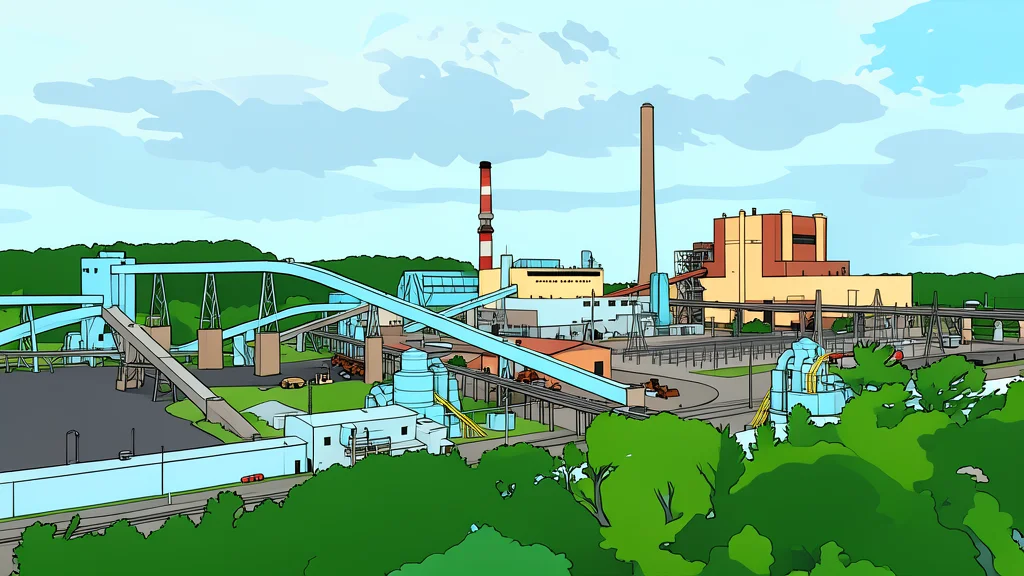
The US Court of Appeals for the DC Circuit ruled that the Department of Energy exceeded its statutory authority by issuing an emergency order to keep the J.H. Campbell coal plant operational.
The US Court of Appeals for the DC Circuit invalidated the Department of Energy’s initial emergency directive that required Consumers Energy to maintain the J.H. Campbell coal plant. The ruling, issued on September 11, determines that the DOE acted outside its legal bounds by citing broad, long-term supply concerns as an acute emergency. This decision reverses the first of several orders issued to prevent the plant’s scheduled retirement, establishing a legal limit on federal intervention in state-approved energy transitions.
Despite the invalidation of the first order, the 1,420-megawatt facility in West Olive, Michigan, will not cease operations immediately. A subsequent DOE directive, the sixth in a series, remains in effect, requiring the plant to stay available for dispatch through November 14. Consumers Energy has stated it will continue to comply with this current order while reviewing the court’s decision. The directive mandates that MISO, the regional grid operator, utilize economic dispatch to call on the plant only when it represents the least costly option for ratepayers.
Court defines emergency authority limits
The appellate panel clarified that the emergency authority in question is a limited, last-resort tool intended for acute electricity shortages requiring immediate federal action. The court rejected the DOE’s argument that a general concern for future power supply constitutes such an emergency. This distinction prevents the federal agency from using emergency powers to override long-term reliability planning conducted by state regulators, utilities, and regional grid operators.
The ruling reinforces the primacy of state-approved retirement plans when they are supported by robust replacement strategies. By invalidating the order, the court acknowledged that the Department of Energy cannot substitute its own long-term policy preferences for the detailed planning processes already undertaken by Michigan’s energy stakeholders. This sets a precedent for how federal emergency powers intersect with state-level energy infrastructure decisions.
Replacement resources support retirement plan
Consumers Energy’s plan to retire Campbell was part of a broader strategy announced in 2021 to eliminate coal use by 2025. The company had already secured replacement capacity, including the acquisition of the 1,200-megawatt Covert natural gas station in southwest Michigan. Additionally, the plan included extending the life of two oil-and-gas units and expanding solar generation and battery storage. These resources were designed to meet regional demand without reliance on the coal facility.
The Michigan Public Service Commission approved this integrated plan in 2022, concluding it would improve the region’s ability to meet electricity demand. MISO also determined that Campbell was not necessary to satisfy its reliability standards under the proposed retirement schedule. The court’s reliance on these facts highlights the adequacy of the state-level planning process in ensuring grid stability.
Local impact and future uncertainty
For residents and environmental groups, the ruling offers a significant legal victory after years of advocacy to close the plant. Sierra Club organizer Jan O’Connell noted that the decision marks the first major legal recognition of their position. However, she emphasized that the outcome does not guarantee immediate closure, as the latest DOE order still mandates availability through November. The situation remains fluid, with potential further legal challenges or administrative actions possible.
The case, tracked by GN auto stocks/utilities: power plant, underscores the ongoing tension between federal energy security directives and state-level decarbonization efforts. While the court has drawn a clear boundary for the use of emergency powers, the operational status of the plant remains dependent on the current DOE order. Consumers Energy continues to prepare for the eventual transition, but the exact timeline for permanent closure is still subject to regulatory and legal developments.