EPA Repeal Cuts Power Plant Costs by $310 Billion
The EPA has finalized the repeal of Biden-era greenhouse gas standards, projecting immediate cost savings of $310 billion for the power sector. This regulatory shift directly impacts asset lifecycles and capital expenditure plans for major utilities in the western United States.
EPA Administrator Lee Zeldin finalized the repeal of the 2024 Carbon Pollution Standards on September 14, effectively removing the primary federal constraint on carbon dioxide emissions from existing power plants. The agency’s press release asserts that the previous regulations imposed unnecessary requirements that drained sector resources without providing material benefits. By striking down these standards, the administration claims to have eliminated a regulatory burden that forced operators to retire assets prematurely or install unproven control technologies.
The financial impact of this decision is substantial, with the EPA projecting that the repeal will save the industry $310 billion. Beyond the immediate reversal of the 2024 rules, the administration is moving to eliminate all remaining greenhouse gas standards. This expanded proposal aims to deliver an additional $370 billion in savings, fundamentally altering the cost structure for coal and gas-fired generation across the grid.
Regulatory Rollback Extends Asset Life
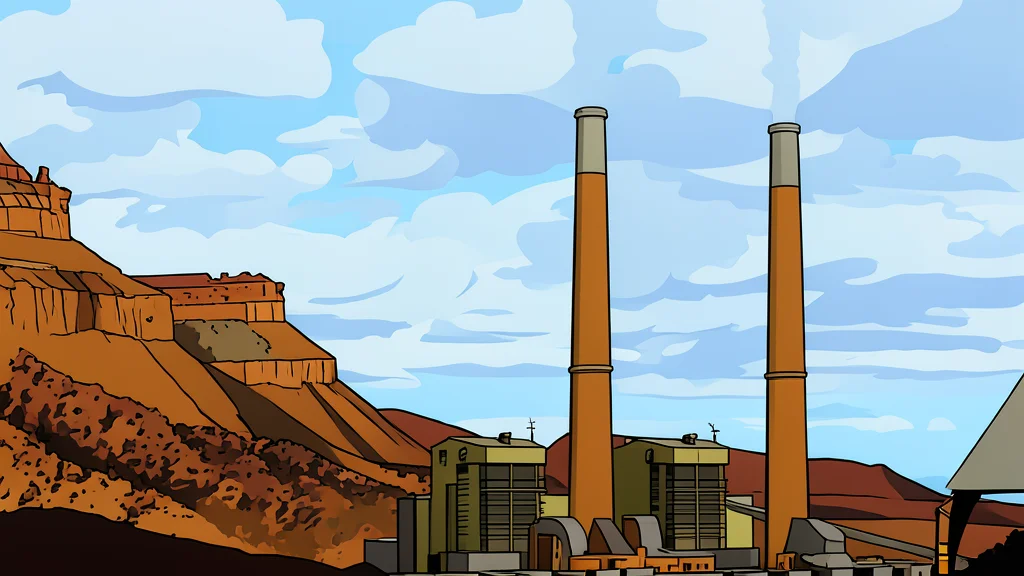
For utilities operating in the Intermountain West, the repeal directly alters long-term capital planning. Rocky Mountain Power had previously announced that its Hunter and Huntington coal plants, originally scheduled for retirement in 2036 and 2042, would continue operating until at least 2045. The finalization of the repeal removes the regulatory pressure that accelerated these retirement timelines, allowing operators to extend the useful life of these assets without facing mandated compliance costs for carbon controls.
The Delta power plant in Utah presents a different operational scenario. Its coal units were shut off last November, but the site remains a candidate for conversion. The current regulatory environment makes the plant more attractive for conversion to gas or hydrogen, as operators face less regulatory uncertainty regarding future emissions mandates. This stability encourages potential buyers to invest in the transition, viewing the removal of carbon standards as a reduction in project risk.
Political Disagreement Over Health Impacts
Utah legislators remain divided on the environmental and health consequences of removing these controls. Representative Colin W. Jack, chair of the House Public Utilities and Energy Committee, argues that the previous rules were a direct threat to electricity reliability and modern life. He emphasizes that the repeal specifically targets carbon dioxide, stating that standards for particulates, sulfur, mercury, and nitrogen oxides remain unchanged. Jack contends that carbon dioxide is harmless in the concentrations produced by power plants and that the previous regulations were designed to force plant retirements.
Senator Nate Blouin, a Democrat from Salt Lake, disputes this assessment, warning that the repeal could result in an additional 1,000 deaths per year due to increased air quality issues. He argues that regulating carbon dioxide is essential for reducing cancer, asthma, and other diseases. Blouin notes that while the current repeal focuses on carbon dioxide, the broader regulatory environment still affects other harmful chemicals, and the removal of these standards will likely exacerbate public health risks across the region.
Legal Challenges From Environmental Groups
Environmental organizations are preparing to challenge the legality and scientific basis of the repeal. Hana Vizcarra, deputy managing attorney at Earthjustice, states that the group believes power plants have significant impacts on communities, including contributions to wildfires and severe weather events. The EPA’s position, which claims that eliminating all carbon dioxide from power plants tomorrow would have no meaningful climate impact, is expected to face rigorous legal scrutiny. This legal battle will determine whether the projected $680 billion in combined savings remains intact or if parts of the repeal are struck down by the courts.