EPA Repeal Saves Utilities $300B in Compliance Costs
The Environmental Protection Agency has officially repealed greenhouse gas regulations for coal and natural gas plants, a move projected to save the industry over $300 billion in compliance expenses.
The Environmental Protection Agency has finalized the repeal of greenhouse gas emission standards for coal and natural gas power plants. This regulatory rollback eliminates the cost burdens associated with the Biden-era rules, which the agency estimates will save the utility sector more than $300 billion. The decision reverses the administrative framework established by Presidents Obama and Biden, removing mandatory limits on carbon dioxide and other greenhouse gases from stationary sources. By lifting these constraints, the EPA aims to allow utility companies to make investment decisions based strictly on operational costs and ratepayer savings rather than federal compliance mandates.
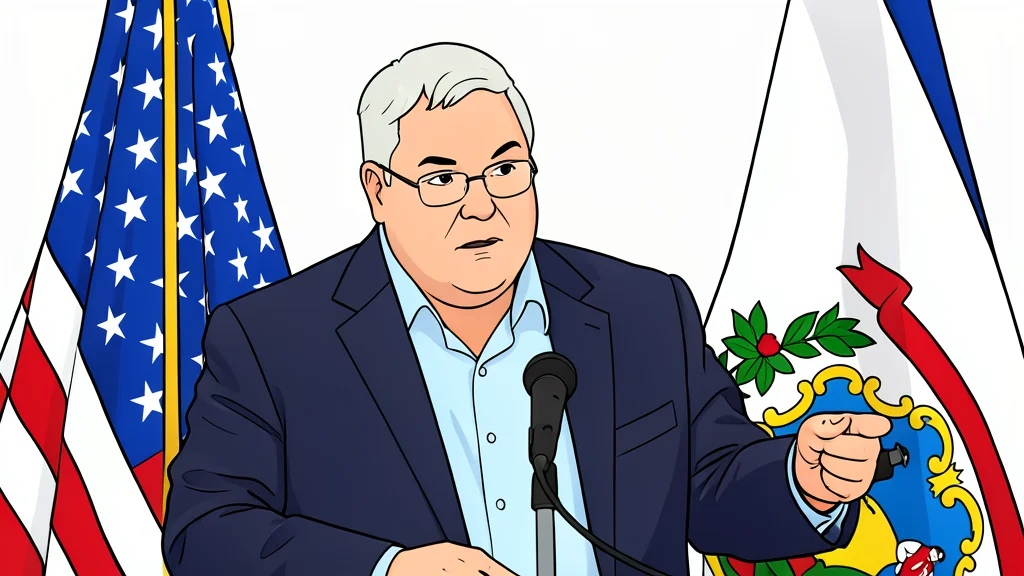
West Virginia Governor Patrick Morrisey welcomed the action, citing the protection of local energy jobs. He stated that the repeal prevents the shutdown of dependable power sources and stabilizes electricity prices for families and businesses. Morrisey highlighted his previous legal efforts against similar regulations, noting that the state’s history of challenging federal climate policies has contributed to this outcome. The governor emphasized that this move strengthens the electric grid and allows the state to continue supplying energy to the national market without the economic drag of restrictive environmental rules.
EPA Projected Savings for Industry
EPA Assistant Administrator Aaron Szabo stated that the repeal enables utilities to prioritize cost efficiency in their capital planning. The agency argues that the previous rules forced the premature retirement of facilities and increased costs for consumers. By removing these requirements, the EPA believes companies can maintain existing infrastructure and optimize their operations based on market realities. The rule is expected to take effect shortly after publication in the Federal Register, although legal challenges from environmental groups are anticipated. These groups argue that the repeal will negatively impact public health and environmental quality by allowing higher levels of pollution.
Legal Challenges and Future Rules
The EPA has also proposed a separate rule to prevent future administrations from regulating climate pollution from power plants. This proposal follows an earlier action in February that eliminated greenhouse gas standards for vehicles. The new measure applies similar legal reasoning to a broader rollback of climate regulations for stationary sources. While the initial repeal is expected to face immediate legal scrutiny, the second rule is not expected to be finalized until next year. This dual approach signals a long-term shift in federal policy, moving away from the scientific findings that previously underpinned U.S. greenhouse gas regulation.
Political Reaction to Energy Policy
Governor Morrisey described the decision as a victory for reliable American energy. He noted that the administration’s approach aligns with his longstanding opposition to what he termed irrational climate policies. The governor expressed gratitude for the administration’s energy policies and indicated his intention to continue collaborating on advancing related initiatives. This political alignment underscores the significant influence of state-level leadership in shaping federal energy regulations, particularly in regions where coal and natural gas remain central to the local economy.