EPA Reverses Power Plant Emission Limits

The EPA is undoing Biden-era emission standards for coal and gas plants, citing cost relief for utilities and consumers while experts warn of significant environmental trade-offs.
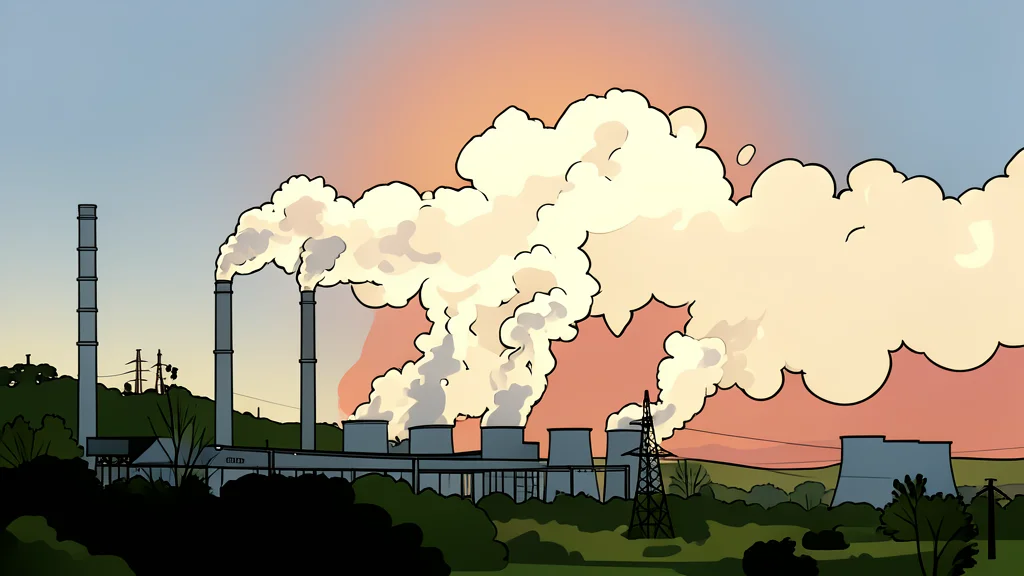
The Environmental Protection Agency is formally rolling back emissions limits for coal- and gas-fired power plants established during the Biden administration. The agency argues that the previous regulations would have significantly increased energy costs, making the reversal a financial relief for power companies and consumers alike.
While the EPA frames the move as a strategy to ensure affordable and reliable energy supplies, critics argue the decision prioritizes short-term cost savings over long-term environmental stability. The rule change is expected to reduce compliance burdens on utilities but has drawn sharp warnings from environmental experts regarding the potential impact on national air quality.
Cost Relief and Energy Security
The EPA states that the rollback is designed to drive down costs across transportation, heating, utilities, farming, and manufacturing sectors. By removing what it deems excessive regulatory hurdles, the agency aims to boost national security through more stable and affordable energy production. This approach directly benefits utility providers by reducing the capital expenditure required for advanced emission control technologies.
For the power industry, this regulatory shift removes a significant financial barrier. Companies can now operate existing infrastructure without the mandatory upgrades that were projected to raise consumer rates. The administration views this as a necessary correction to maintain competitive energy prices in a global market where cost efficiency is a primary driver of industrial stability.
Environmental Risks and Expert Warnings
Despite the economic rationale, the move faces substantial scrutiny from environmental scientists. Citing reports from the Los Angeles Times, experts warn that the relaxation of these standards could result in billions of additional tons of emissions entering the atmosphere. This potential increase in carbon output contradicts broader national climate goals and raises concerns about long-term public health impacts.
The controversy highlights a fundamental tension between immediate energy affordability and environmental stewardship. While the EPA points to the economic benefits of the rollback, critics argue that the long-term costs of increased emissions—both in healthcare and climate mitigation—will far outweigh the short-term savings for consumers and manufacturers.
Technological Limitations in Emission Control
Utility companies have also weighed in on the feasibility of the previous standards. Otter Tail Power, a key player in the sector, has indicated that alternative technologies such as carbon capture are not yet sufficiently developed for widespread implementation. Stephanie Hoff, the company’s communications director, noted that while they are interested in researching these methods, the technology is not currently ready for grand-scale use as a primary emission reduction system.
This technological gap supports the EPA’s argument that the previous rules were impractical for the current industrial landscape. Until carbon capture and other advanced mitigation strategies become cost-effective and widely available, the agency maintains that strict emission limits would disproportionately burden the energy sector. The rollback effectively pauses these requirements until the industry can demonstrate reliable, scalable solutions.