EPA Revokes Power Plant Emission Limits
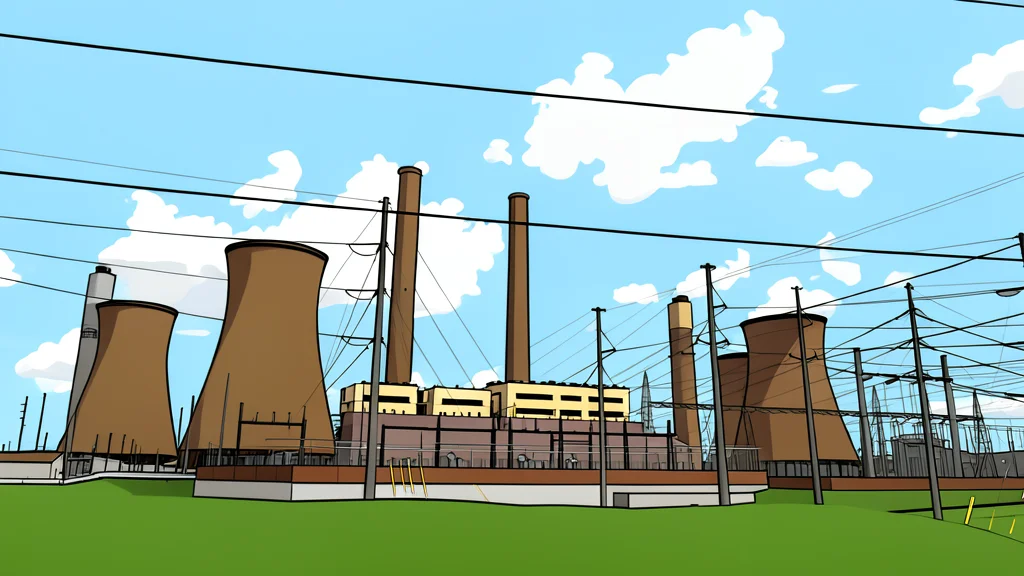
The U.S. Environmental Protection Agency has signed orders to repeal greenhouse gas limits for fossil fuel power plants, citing cost savings and energy availability.
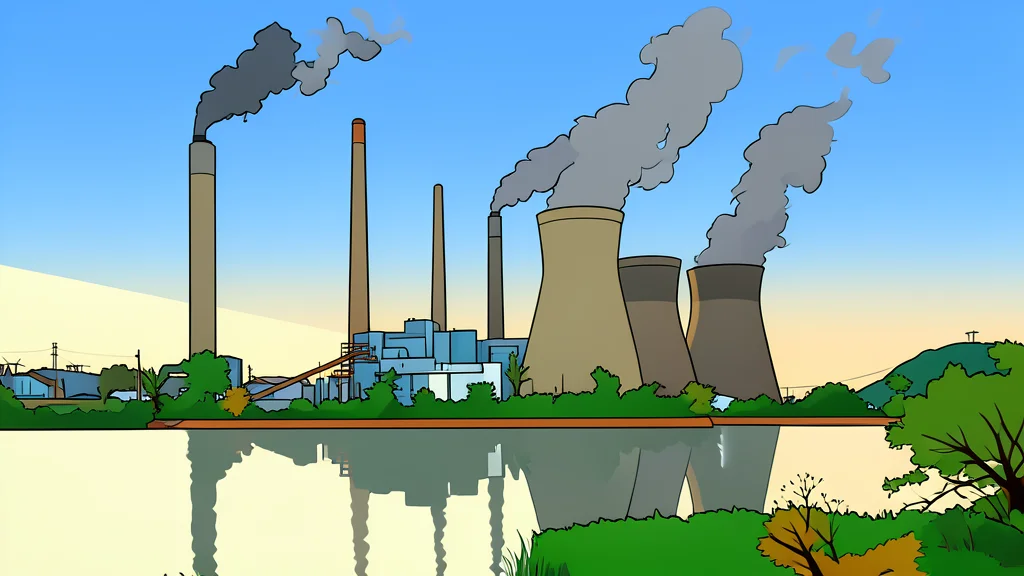
The U.S. Environmental Protection Agency has officially revoked greenhouse gas emission limits for coal and natural gas power plants. Administrator Lee Zeldin signed the regulatory documents on Monday, effectively dismantling a cornerstone of the previous administration's climate strategy. The agency argues that removing these restrictions will lower energy costs and improve grid reliability, particularly in the context of recent geopolitical tensions affecting energy prices.
EPA officials stated that the repeal will save energy producers at least $310 million in compliance costs. The agency claims this regulatory relief could lead to a tenfold increase in coal power generation. By framing the action as a measure to stabilize energy markets, the administration links the revocation directly to economic efficiency and the availability of domestic energy resources for American consumers.
Regulatory Repeal and Cost Savings
The EPA published two regulations in the Federal Register as part of a single effort to reduce energy costs. These rules reverse the 2024 greenhouse gas limits that applied to virtually all power plants except those using wind, solar, or hydro power. The final rule partially repeals the Clean Power Plan standards, which the agency noted were not met by their original target date.
A supplemental notice proposes stripping all greenhouse gas limits on fossil-fuel power plants since 2014. The administration argues that the previous regulations imposed burdens on the energy sector without achieving the desired environmental outcomes. This move aligns with broader efforts to streamline federal regulations that the current leadership views as obstacles to industrial productivity.
Political Backlash and Health Concerns
Democrats and environmental groups have condemned the decision, labeling it a coup favoring an industry that boosted the president's campaign. Maryland Senate candidate Chris Van Hollen criticized the move, stating that it prioritizes corporate profits over public health and safety. He argued that the policy shifts the burden of pollution-related health issues onto voters while benefitting energy producers.
The EPA’s release included a finding that greenhouse gas emissions from power plants have no material impact on global climate change. The agency dismissed the significance of reducing these emissions, claiming that even eliminating all carbon dioxide would not result in meaningful climate impact. This stance contradicts the U.S. Power Sector’s role as the second largest emitter of carbon dioxide pollutants, a fact highlighted by the EPA’s own previous analyses.
Disputed Scientific and Economic Data
Evergreen Action, a climate advocacy group, noted that the EPA’s public analyses contradict the administrator’s claims. The group pointed out that the agency’s own data acknowledges the sector’s significant contribution to climate change and public health risks. This internal inconsistency has drawn scrutiny from stakeholders who question the scientific basis for the regulatory repeal.
The administration cited an "endangerment finding" as the basis for federal regulation of climate change, yet now moves to repeal the resulting standards. This shift reflects a broader policy pivot under the current leadership, which aims to eliminate coal and natural gas power generation restrictions. The outcome leaves electric grid operators and utility companies with a different regulatory landscape, potentially altering investment strategies for renewable versus fossil fuel assets.