Georgia Power Extends Coal Plant Life Amid EPA Rule Repeal
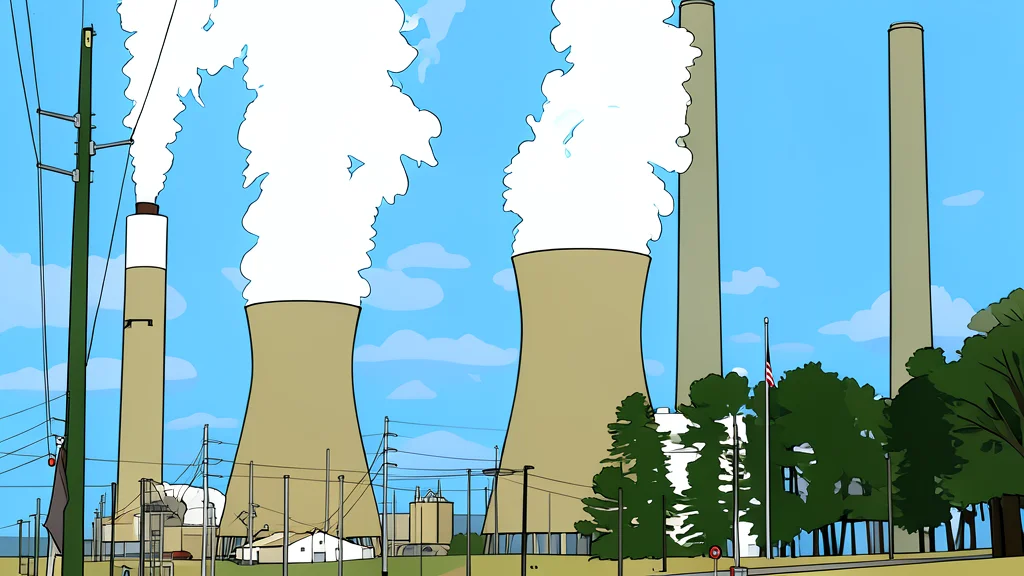
EPA's proposed rollback of carbon capture rules allows Georgia Power to delay retiring high-emission coal units at Plant Scherer.
Key points
- EPA proposes repealing 2032 carbon capture deadlines for existing coal and gas plants.
- Georgia Power secured approval to extend the life of coal units at Plant Scherer and Plant Gaston.
- Plant Bowen and Plant Scherer combined emitted over 19 million tons of CO2 in 2024.
The U.S. Environmental Protection Agency has proposed repealing the Biden-era greenhouse gas standards that required existing coal and natural gas plants to install carbon capture technology or close by 2032. This regulatory shift reverses the compliance pathway established during the previous administration, which forced utilities to choose between costly technological upgrades and asset retirement.
For Georgia Power, the state’s largest electricity utility, the repeal changes the financial calculus for its remaining coal fleet. While the company previously sought approval to retire all but one coal plant due to the high cost of compliance, the new proposal removes the mandatory deadline for carbon capture, allowing the utility to extend the operational life of its high-emission assets.
Utility delays coal retirement
In 2022, Georgia Power determined that installing carbon capture systems was economically unfeasible and secured permission from the Georgia Public Service Commission to retire most of its coal units. The utility retained only Plant Bowen in Bartow County, while units at Plant Scherer near Macon were slated for closure. The current regulatory environment has prompted the company to revisit these plans.
In 2025, the utility received approval to postpone the retirement of specific power plants. This decision extends the life of one coal unit at Plant Scherer and four units at Plant Gaston in Alabama, which primarily uses natural gas but retains coal backup capacity. The extension allows the company to defer capital expenditures associated with full asset decommissioning while it evaluates future regulatory conditions.
Emissions remain high in state
The continued operation of these units maintains significant carbon output in the region. According to U.S. Energy Information Administration data from 2024, Plant Bowen emitted nearly 11 million tons of carbon dioxide, while Plant Scherer released more than eight million tons. These figures place both facilities among the top 25 carbon-emitting power plants in the United States.
Plant Gaston contributed an additional two million tons of carbon dioxide to the 2024 total. Advocates such as the Natural Resources Defense Council and the American Public Health Association argue that this prolonged operation exacerbates local air quality issues and contributes to broader climate change impacts, including extreme heat and respiratory risks for residents.
Regulatory uncertainty shapes planning
Georgia Power officials stated that they conducted nine distinct planning scenarios to account for regulatory volatility, with six of those scenarios assuming non-compliance with the carbon capture mandate. Jeff Grubb, the utility’s director of resource policy and planning, testified that this framework provides the flexibility to make informed resource decisions without committing to immediate retirement costs.
The EPA’s statement on the proposed rule change emphasizes the goal of unleashing the potential of domestic energy resources, including coal and natural gas, to ensure affordable electricity. Meanwhile, legal challenges from public health groups continue to test the validity of the repeal, asserting that clean air is a basic human right threatened by delayed plant closures.