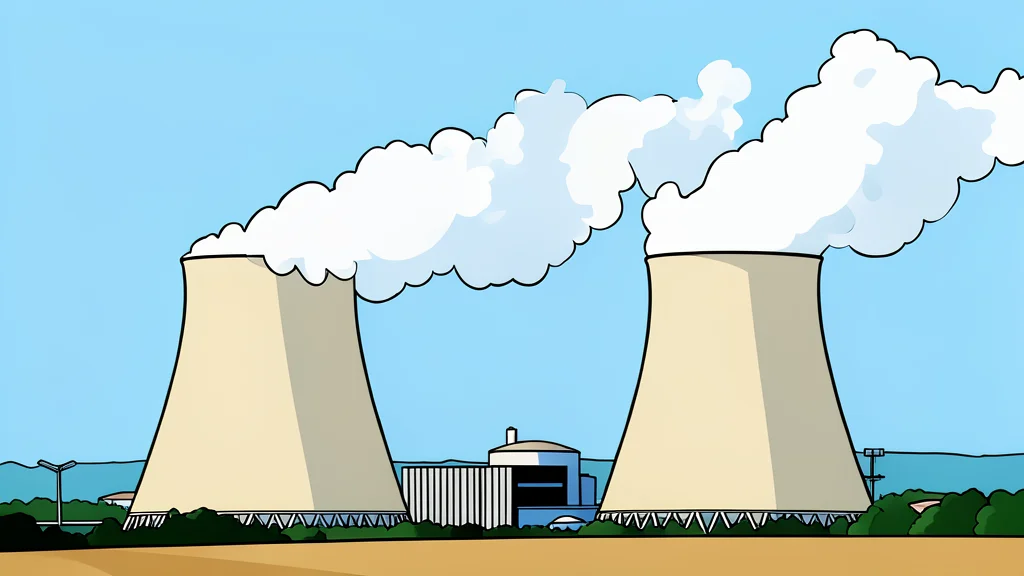
Holtec Loses Pilgrim Wastewater Appeal

Massachusetts regulators denied Holtec International's bid to discharge radioactive wastewater from the closed Pilgrim Nuclear Power Station, citing state ocean protection laws.
Holtec International faced a regulatory setback this week after the Massachusetts Department of Environmental Protection denied its appeal to release radioactive wastewater from the Pilgrim Nuclear Power Station. The department ruled that discharging the water into Cape Cod Bay would violate the state’s Ocean Sanctuaries Act, which prohibits non-grandfathered industrial waste releases in designated sanctuaries. This decision effectively blocks Holtec’s preferred method of decommissioning cleanup, forcing the company to seek alternative disposal routes or pursue further legal challenges in state courts.
The dispute centers on approximately 794,000 gallons of wastewater remaining in the plant, a volume that has decreased from over one million gallons as the water continues to evaporate into the atmosphere. Holtec had argued that federal law preempts state regulations and that its discharge rights were grandfathered from the plant's operational years. However, the presiding officer rejected these claims, relying in part on the 2019 U.S. Supreme Court decision in Virginia Uranium, Inc. v. Warren, which clarified that federal nuclear laws do not automatically preempt state environmental restrictions. The final decision, issued by Department Commissioner Bonnie Heiple, expands the legal analysis to firmly support the denial of the discharge permit.
Legal Precedent Rejects Federal Preemption
The core of the legal battle involved the interpretation of federal supremacy in nuclear waste management. Holtec Decommissioning International, a subsidiary of Holtec International, contended that the Nuclear Regulatory Commission’s regulations on safe discharges, which have been in place for over 45 years, superseded state law. The Department of Environmental Protection’s Office of Appeals and Dispute Resolution disagreed. By invoking the Virginia Uranium precedent, the agency determined that the state retains the authority to regulate waste discharge into its waters, even for nuclear facilities. This ruling removes the legal shield Holtec sought to rely on for direct bay discharge.
Environmental advocates, including the Association to Preserve Cape Cod, celebrated the decision as a protection for the local ecosystem. Andrew Gottlieb, the association’s executive director, noted that the outcome aligns with the community’s desire to prevent potential contamination of Cape Cod Bay. He criticized Holtec for resisting the option of shipping the water to a licensed disposal facility, a method the company has used for other radioactive materials. Gottlieb argued that this refusal, rather than the regulatory process itself, has contributed to delays in the overall decommissioning timeline.
Decommissioning Timeline Faces New Delays
Holtec International originally planned to clean up the waterfront property for reuse within eight years of the reactor shutdown in May 2019. However, the company’s spokesman, Patrick O’Brien, stated that ongoing legal challenges from opponents have delayed this progress. O’Brien maintained that releasing the water is safe and that the regulatory hurdles have created unnecessary bottlenecks. The company is currently reviewing its options, which include filing an appeal in Superior Court or seeking reconsideration from the same departmental office that handled the initial appeal. The uncertainty surrounding the final disposition of the wastewater adds a layer of complexity to the site’s long-term remediation strategy.
While the immediate issue is the discharge of liquid waste, both sides of the debate have pointed to the ongoing evaporation of the remaining water as a potential environmental concern. With the water level at 794,000 gallons, the evaporation process continues to release substances into the air. Holtec’s refusal to transport the water to an off-site disposal facility, despite having done so for other materials, has drawn criticism that the company is prioritizing cost or convenience over swift resolution. The next steps will likely involve a prolonged legal process, as Holtec weighs the risks of a Superior Court challenge against the operational costs of alternative disposal methods.
Operational Costs And Community Impact
The financial and operational implications of the denial are significant for Holtec International. The company must now allocate resources to either litigate the state’s decision or arrange for the transport and disposal of the wastewater at a licensed facility. This shift in strategy may extend the timeline for completing the decommissioning of the Pilgrim site. The company’s public stance emphasizes safety and compliance with nuclear regulations, yet critics argue that its legal maneuvering has stalled the cleanup process. The outcome of this dispute will serve as a critical test for the balance between federal nuclear oversight and state environmental authority in the United States.
As Holtec evaluates its next move, the focus remains on the physical reality of the site. The water continues to evaporate, and the regulatory environment has shifted decisively against direct discharge. The involvement of the Healey administration’s independent appeals office underscores the state’s commitment to enforcing its Ocean Sanctuaries Act. For Holtec, the path forward requires navigating a complex legal landscape where state laws are increasingly recognized as valid checks on federal nuclear operations, particularly regarding environmental protection. The resolution of this case will likely set a precedent for other nuclear decommissioning projects facing similar state-level environmental constraints.