Hungary Sinks Barges to Keep Paks Nuclear Plant Running
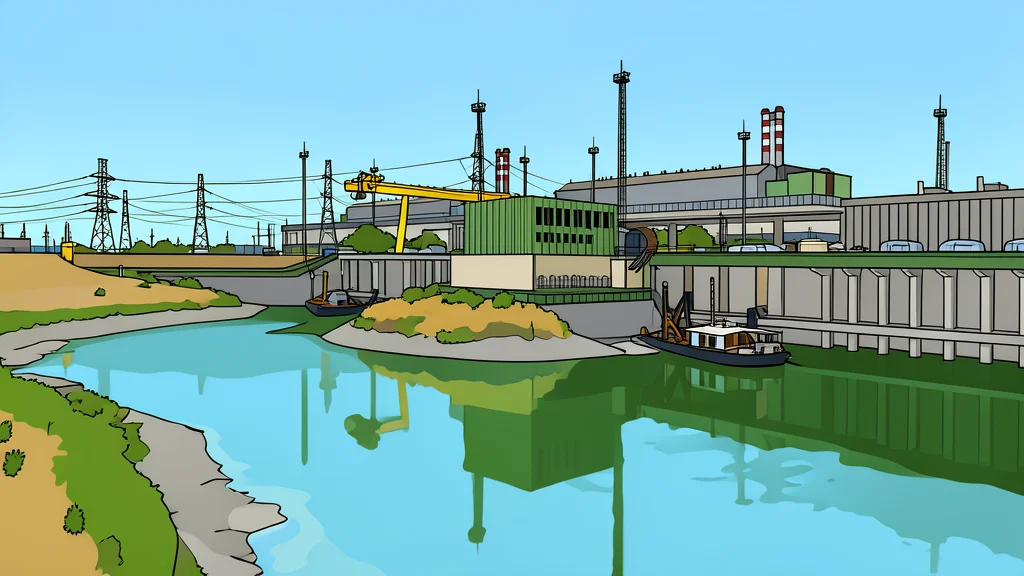
Hungarian authorities deliberately flooded two barges and dumped concrete into the Danube to artificially raise water levels, preventing a total shutdown of the Paks nuclear plant during a historic low-water event.
Hungary’s national water directorate has temporarily raised the Danube River by 20 inches through an emergency engineering project to prevent a full shutdown of the Paks nuclear power plant. By deliberately sinking two 262-foot barges to the riverbed and constructing a rock sill behind them, authorities created an artificial dam that forces water to back up upstream. This intervention has allowed all four reactors at the facility to remain operational despite record-low river levels that threatened to leave the cooling pumps unable to reach the water surface.
The Paks plant, which generates approximately half of Hungary’s electricity, relies on river water to cool its steam condensers. The facility requires a continuous flow of about 26,000 gallons of water per second to maintain safe operating temperatures. In late July, the river level dropped 11 inches below the previous record low, a level that was already 3.3 feet below the minimum threshold designed for the plant’s infrastructure. This drop caused the pump intakes to sit above the water line, reducing output from 965 megawatts to 240 megawatts in a single night and forcing operators to consider a first-ever full shutdown.
Emergency Sill Construction Details
The solution involved a two-phase approach approved on August 12. First, engineers anchored two barges to the riverbed using piles driven 26 feet into the sediment and tied them with steel cables. Pumps then filled the hulls with water, causing them to sink and act as a foundation. Second, two Airbus H225M military helicopters dropped 4,400-pound concrete blocks into the river, while over 100 trucks hauled stone to the banks. This created a bottom sill, a low wall of rock that allows water to flow over the top while raising the upstream level behind it.
The immediate impact was measurable within days of the sinking process beginning on August 15. The water level at the plant’s pumping station rose by 0.4 inches on the first day, a critical gain that prevented the forced shutdown of the remaining active turbines. While the rock sill provides the long-term structural hold, the barges served as a rapid deployment measure to stabilize the water level before the heavier construction materials could be placed. The operation involved approximately 130 workers and was coordinated by the OVF, the national water directorate, which developed the 411-page engineering plan in a matter of days.
Operational Tradeoffs and River Closure
The construction of the sill has resulted in a significant tradeoff for commercial shipping. The Danube, Europe’s second-longest river, is currently closed to through traffic in the section spanning the Paks facility. This closure is expected to last until the end of November, disrupting logistics and freight movement along the waterway. The decision prioritizes energy security for the nation, as a full shutdown of the Paks plant would have had severe consequences for the national grid, especially during the cooler months when demand for electricity rises.
The situation highlights the vulnerability of nuclear and thermal plants that rely on river water for cooling. Similar issues have arisen at other facilities, such as a French plant that recently shut down two reactors due to jellyfish clogging intake screens. For Paks, the risk was not a lack of water volume, but rather a lack of accessible depth. The state utility MVM confirmed that sufficient flow remained, but the geometry of the pump intakes made the water unreachable without the artificial raise in level. The successful implementation of the sill has restored the plant to near-full capacity, averting a historic operational failure.
Impact on National Power Grid
With all four VVER-440 reactors now running, Hungary has avoided a major energy crisis. Prime Minister Péter Magyar noted that without the intervention, the plant would have faced its first complete shutdown. The restoration of output to nearly 2,000 megawatts ensures stability for the national grid. The incident underscores the importance of infrastructure resilience in the face of changing hydrological conditions, where record-low water levels can pose a direct threat to critical energy assets. The ongoing maintenance of the sill will require continuous monitoring to ensure the water level remains sufficient for cooling operations through the winter.