Indiana Coal Units Stay Online Through December as Costs Rise
Federal orders keep two Indiana coal plants running past scheduled retirement, triggering $38 million in cost recovery requests.
Key points
- NIPSCO seeks $38 million in cost recovery for keeping coal units available through December.
- Federal orders extend the availability of two Schahfer units and one Culler unit past scheduled retirement.
- Advocates argue the mandates raise consumer bills, while the DOE cites grid reliability and data center demand.
Two coal-fired generating units in Indiana will remain available for grid operations through December 18, extending a dispute over the financial burden of keeping aging infrastructure online. Energy Secretary Chris Wright issued the orders on September 18, overriding previous retirement timelines for facilities in Jasper and Warrick counties. This marks the third extension of federal mandates that first intervened in late 2025, prolonging a conflict between federal reliability goals and state-level cost concerns.
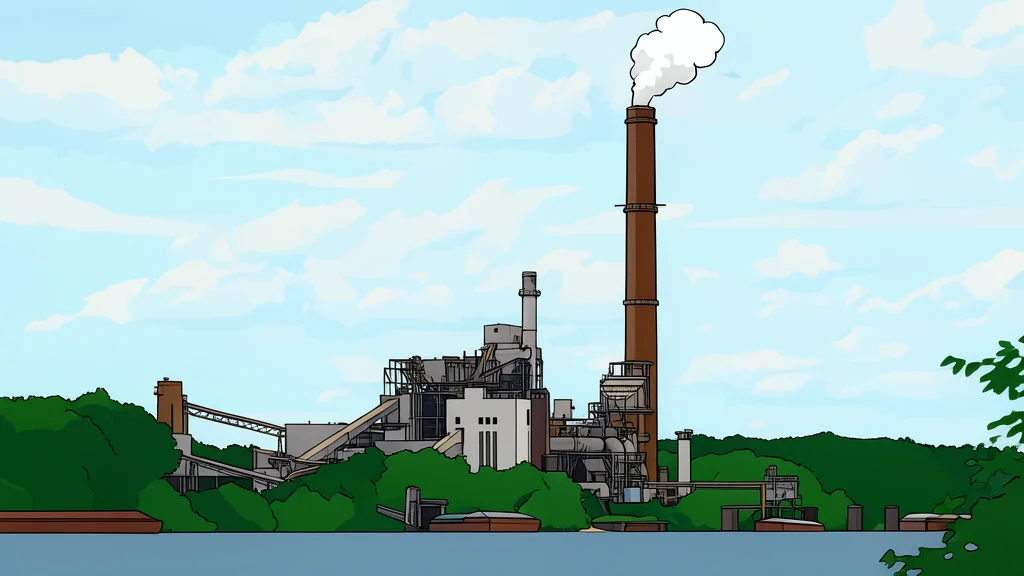
The directives cover two units at NIPSCO’s R.M. Schahfer Generating Station and one unit at CenterPoint Energy’s F.B. Culley Generating Station. While the orders require the units to be available to operate, they do not mandate continuous generation. Instead, the Midcontinent Independent System Operator is directed to consider operational costs when deciding when to dispatch the plants, shifting the economic responsibility of compliance directly to the utility companies and their ratepayers.
Utilities seek $38 million in cost recovery
NIPSCO has requested federal approval to recover approximately $38 million in costs associated with the first quarter of 2026. The utility stated that its Schahfer units remain offline for necessary inspections, maintenance, and significant turbine and boiler repairs, but it continues to comply with the availability mandates. CenterPoint Energy reported that its customers are not currently seeing direct bill impacts from the Culler Unit 2 orders, though the company is preparing mechanisms to recover the associated operating costs.
Indiana Public Media reported that these recovery requests are central to the current political and regulatory debate. Rep. Carey Hamilton, an Indianapolis Democrat, called on the state attorney general to challenge the federal orders, arguing that the financial burden unfairly falls on consumers. She emphasized that the issue transcends party lines, focusing instead on the impact on monthly power bills for residents who see the consequences of these decisions.
Federal reliability claims face state pushback
The Department of Energy justified the extensions by citing the plants’ role during periods of high demand and low renewable generation, including Winter Storm Fern. The latest Schahfer order specifically points to rising electricity demand, extreme weather, and the delayed integration of new resources, including demand from large data centers in northern Indiana. Energy Secretary Wright argued that removing dispatchable coal generation would compromise reliability and raise costs for Midwestern families.
Consumer and environmental advocates reject this rationale, arguing that the mandates prolong the lives of expensive units that utilities had already planned to retire. Megan Anderson, a senior campaign organizer for the Sierra Club, stated that the administration is squeezing Hoosiers for money while families struggle economically. The Sierra Club and partners delivered over 1,000 petitions urging Governor Mike Braun and Attorney General Todd Rokita to oppose the orders, criticizing the policy for lining the pockets of fossil fuel companies.
Governor Braun supports federal extension
Governor Mike Braun praised the partnership with the Trump administration, stating that the measures help protect Indiana residents from higher energy costs and keep the power on. However, critics note that the governor’s support contrasts with the growing pressure from local legislators and advocacy groups who view the cost recovery mechanisms as a direct tax on consumers. The dispute highlights a widening gap between federal energy policy priorities and state-level economic concerns regarding utility rate structures.