POWERGEN 2027 Agenda Addresses Grid Bottlenecks and AI Load Stress
Conference program highlights permitting delays and mechanical risks posed by rapid data center expansion.
Key points
- Data centers require 50-300 MW blocks in 12-24 months, while interconnection queues run five to eight years.
- New combined-cycle capacity is unavailable until 2029, prompting a shift to modular reciprocating engines.
- AI load swings can excite torsional vibrations in turbine shafts, causing mechanical damage not captured in standard studies.
U.S. electricity demand is projected to hit records in 2024 and 2025, with long-term generation capacity rising well beyond 2027. The POWERGEN 2027 Conference Program, released by power-eng.com, outlines industry strategies to address this surge. The agenda features dozens of sessions selected from over 200 abstracts, focusing on the gap between hyperscale data center needs and grid interconnection delays.
Data centers are arriving in 50 to 300 MW blocks requiring service within 12 to 24 months, while interconnection queues in many regions run five to eight years. New combined-cycle capacity is not available until 2029 or later. This mismatch is forcing plant operators and suppliers to prioritize modular solutions and upgrades to existing assets over new large-frame turbine deployments.
Permitting Delays Drive Modular Power Strategies
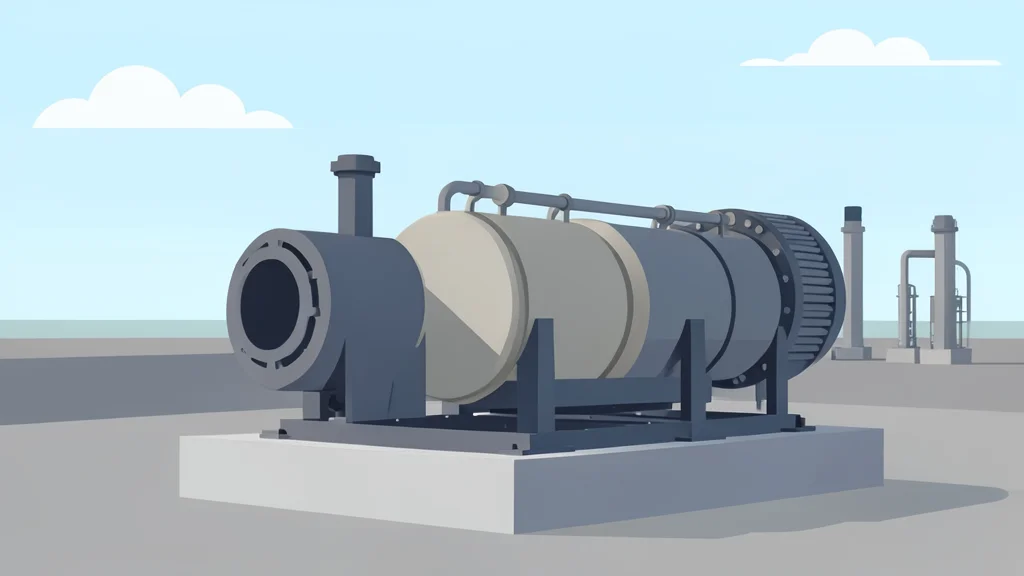
Reciprocating engine suppliers are advocating for modular architectures to match data hall construction phases. Jaisen Mody, a former Portland General Electric portfolio manager, argues that sub-five-minute starts and wide turndown capabilities allow capital deployment that large turbines with 2029 lead times cannot achieve. This approach addresses the immediate need for speed-to-power in a constrained market.
Air permitting remains a critical bottleneck for behind-the-meter generation. Peter Belmonte of Intera, Inc. notes that prime power at a campus can trigger New Source Review under the Clean Air Act. Permitting processes currently take one to two years and are lengthening, with aggregation rules potentially pushing modest individual units over major source thresholds.
Grid Interconnection Models Face New Stress
ERCOT is exploring a connect-and-manage model that studies projects individually rather than in cluster queues. This structure alters how developers assess schedule risk and technical requirements. The session addresses how large-load surges impact stability requirements for generators, offering a potential alternative to prolonged interconnection delays.
AI Load Poses Mechanical Risks to Turbines
Rapid load swings from AI data centers can excite torsional vibration modes in turbine-generator shafts. Engineers from Sargent & Lundy presented electromagnetic transient analysis showing these effects may cause cumulative mechanical damage. These risks are often not fully captured in conventional interconnection studies, highlighting a gap in current grid planning methods.