AI Builds Tumor Models in Minutes, Cutting Months of Work
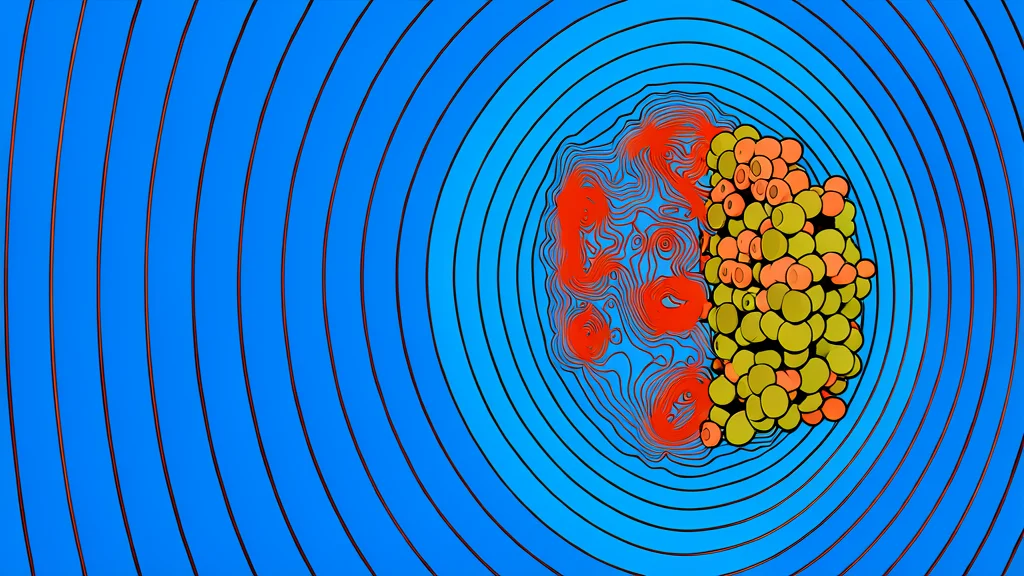
Researchers in Spain used AI to draft tumor models in under 10 minutes. This removes the need for complex coding skills.
Key points
- A new AI system allows researchers to build tumor models in under 10 minutes.
- The tool removes the need for coding skills by acting as a software intermediary.
- The open-source approach aims to accelerate cancer research and treatment development.
Scientists at the Barcelona Supercomputing Center have cut model building time. They now create digital tumor twins in minutes. Previously, this task took months or years of specialized work.
The team published their findings in npj Systems Biology and Applications. Medical Xpress reported that this change removes coding barriers. It makes advanced biological tools accessible to all researchers.
Removing the coding barrier
Building these models used to require deep software knowledge. Scientists had to master multiple programming languages. They also needed to review extensive technical documentation.
Now, researchers simply describe the biological problem in plain language. An AI agent handles the technical setup. This process is similar to chatting with a standard assistant.
The AI connects to tools like NeKo and PhysiCell. It acts as an intermediary between the user and the software. No line of code needs to be written by the biologist.
Speeding up scientific discovery
The new system drastically reduces setup times. A researcher can generate an initial draft in less than 10 minutes. This speed allows for faster exploration of cancer mechanisms.
Alfonso Valencia, the lead researcher, calls this a significant step. It automates complex scientific challenges. The goal is to accelerate treatment development for complex diseases.
Ensuring reliable results
AI models can sometimes produce varied answers. This raises concerns about scientific reproducibility. However, the authors say iterative interaction solves this issue.
Researchers can ask questions repeatedly to refine the output. This process yields consistent and reliable results. The tools are openly available to the scientific community.