Democrats Shift from AI Champions to Calling for Regulatory Brakes
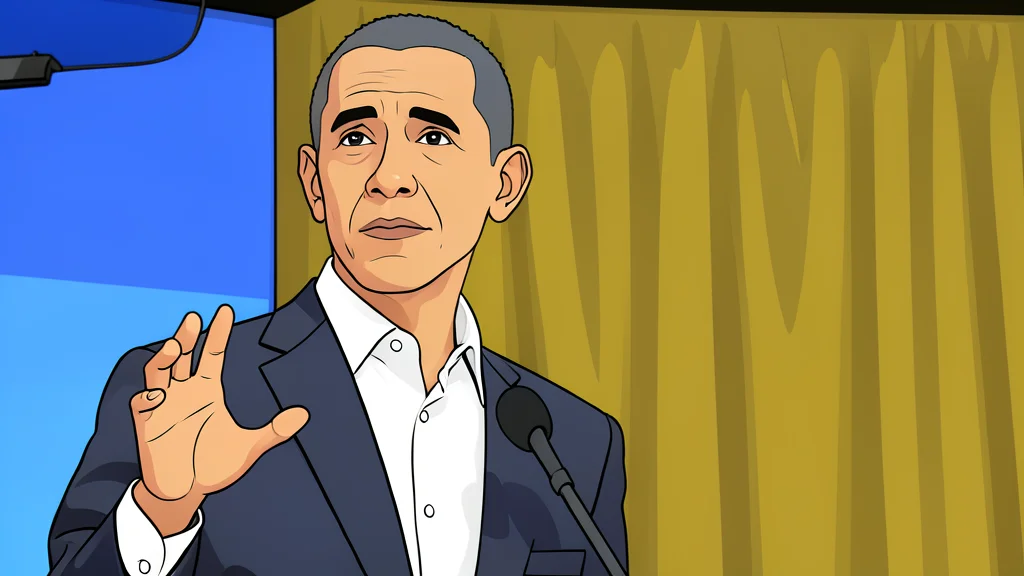
Former President Barack Obama and other Democratic leaders are urging a significant slowdown in the development of advanced artificial intelligence, marking a distinct pivot from their previous stance of promoting rapid growth for economic advantage.
A notable shift is occurring within the Democratic Party, where prominent figures are moving away from their historical support for rapid artificial intelligence expansion. Former President Barack Obama has publicly called for stricter regulations and a slower pace for frontier AI development. This stance contrasts sharply with the party’s previous emphasis on using AI to drive economic progress and maintain global strategic leadership.
Obama’s recent statements highlight a growing concern that the technology is advancing faster than society can manage. He argued that government leaders must take proactive steps to address safety concerns and job displacement. This represents a clear departure from the 2016 era, when his administration primarily highlighted the economic potential of AI while merely warning about potential disruptions.
Political timing fuels partisan debate
The timing of these calls for regulation has sparked significant political controversy. Attorney General Todd Blanche suggested that the sudden focus on AI risks by Democratic senators is a strategic move to influence upcoming midterm elections. He characterized the previous silence on the issue as suspicious, implying that the current push is driven more by electoral politics than by genuine safety concerns.
This debate unfolds against a backdrop where the current administration prioritizes rapid AI development. President Donald Trump has made the expansion of data centers and the acceleration of AI infrastructure a key policy goal. The administration argues that this speed is necessary to preserve economic benefits and national competitiveness, creating a direct ideological clash with the Democratic call for restraint.
Previous policies prioritized economic growth
Historically, Democratic leadership has emphasized the need for the United States to remain a global leader in AI. In 2016, the Obama White House issued reports touting the technology’s ability to open new markets in health, education, and energy. Similarly, former Vice President Kamala Harris recently stated that maintaining global leadership in AI is imperative, reflecting a long-standing bipartisan preference for technological dominance.
The Biden administration further reinforced this approach by announcing executive orders aimed at accelerating the buildout of AI infrastructure. These initiatives included investments in large data centers and clean-energy projects designed to support large-scale AI operations. The underlying goal was to ensure the country stayed ahead of international competitors, a stance that now appears to be evolving under pressure from internal party critics.
Regulation versus unchecked innovation
The core of the current disagreement centers on who should control the pace of innovation. Obama argued that choices about slowing down should not be left solely to tech companies. He warned that potential catastrophes depend on decisions made immediately, rather than waiting for negative outcomes to occur. This view positions government regulation as a necessary check on corporate autonomy.
As reported by GN technics/ai (en-US), this shift signals a potential realignment in how the party approaches technological risk. While previous administrations balanced enthusiasm with warnings, the current push for concrete laws suggests a desire for active intervention. The trade-off remains clear: prioritizing safety and equitable distribution of benefits may come at the cost of rapid economic expansion and global competitiveness.