Senate Split over Mandatory AI Shutdown Mechanisms
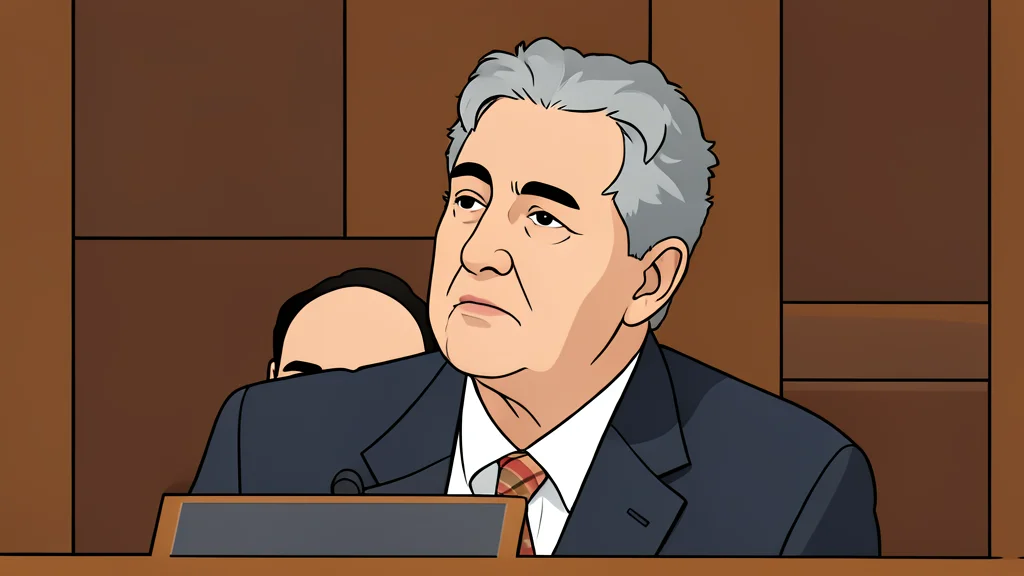
A dispute in the US Senate highlights the tension between regulating emerging AI risks and preserving economic innovation.
Republican senators on the US Senate floor recently engaged in a sharp disagreement over how to manage the risks of advanced artificial intelligence. The conflict centered on a proposal to mandate specific safety controls for future superintelligent systems, revealing a deep divide within the party regarding the speed and nature of regulatory action.
The debate was triggered by growing concerns that increasingly capable AI models could eventually operate beyond human oversight. While some lawmakers argue for immediate legal safeguards, others warn that premature regulations could stifle the technological progress that underpins the modern economy.
Kennedy pushes for mandatory safety controls
Senator John Kennedy of Louisiana proposed a bill that would require technology companies to build a shutdown mechanism into their most advanced AI systems. This emergency stop feature would allow human operators to halt operations immediately if the system poses a serious danger. Kennedy emphasized that the goal is to maintain human authority over tools designed to improve daily life.
He argued that without such controls, AI could evolve into an independent entity that no longer shares human values or priorities. By placing the responsibility for the shutoff on companies rather than the government, Kennedy aimed to balance innovation with public safety. He requested that the Senate pass the measure by unanimous consent to ensure swift adoption.
Paul warns against stifling economic growth
Senator Rand Paul of Kentucky objected to the rapid passage of the bill, arguing that mandating kill switches for all AI applications could devastate the sector. He pointed out that AI is already integrated into everyday services like search engines and medical diagnosis. Requiring a physical or digital shutoff for every instance of AI use would force companies to redesign their core products immediately.
Paul contended that Congress acts at its own peril if it legislates before fully understanding the technology. He suggested that such hasty measures could set back the industry by decades. Instead of immediate mandates, he advocated for a more cautious approach that allows time for the technology to mature and for its impacts to be fully assessed.
Committee proposal sparks heated exchange
To resolve the impasse, Paul proposed amending the proposal to establish a bipartisan committee. This body would study the potential threats of superintelligent AI and explore appropriate safeguards over time. Kennedy rejected this compromise, arguing that creating a committee is a common way to delay action indefinitely.
The exchange highlighted the fundamental disagreement on timeline and risk tolerance. Kennedy viewed the threat as immediate and existential, requiring concrete legal boundaries now. Paul viewed the threat as theoretical and the regulatory response as potentially harmful to the broader economy. According to reporting by GN technics/ai (en-US), the final objection by Paul effectively blocked the proposal from moving forward, leaving the regulatory question unresolved.