DPD UK Reaches 4,000 Electric Vans Ahead of Peak Season
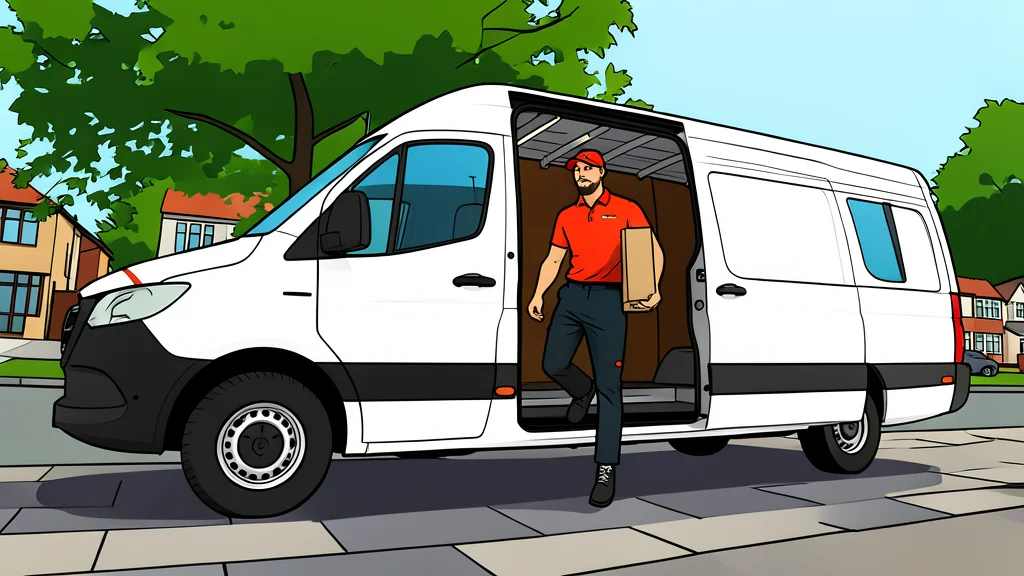
A major UK courier is adding 341 new electric vans to its fleet, aiming to handle record holiday demand while reducing emissions in urban areas.
DPD is preparing for a record-breaking Christmas period by integrating 341 new Mercedes-Benz eSprinters into its delivery network. These vehicles are scheduled to be fully operational by the end of October, adding to a fleet that will soon reach a total of 4,000 electric vans. The expansion marks a significant step in the company's transition away from diesel-powered logistics.
The new vans are designed to carry the same payload as their 3.5-tonne diesel counterparts, but with improved range and battery technology. This allows DPD to deploy larger electric vehicles in areas beyond inner-city centers, expanding the geographic reach of its zero-emission deliveries. The company has been rolling out electric vehicles for last-mile delivery since 2018, and in 2025 alone, it delivered over 85 million parcels using these vehicles.
Expanding Range Beyond City Centers
Olly Craughan, Head of Sustainability for DPD UK, noted that large panel vans are the workhorses of their final-mile operations. Previously, electric vans were largely confined to inner-city locations where shorter routes and lower pollution benefits were most evident. With the new eSprinters, DPD can now support lower-emission deliveries over a wider area, serving more than 7,300 postcodes across the UK. This shift means that suburban and rural areas, which previously relied on diesel, can also benefit from quieter and cleaner delivery services.
The company emphasizes that this expansion is not just about meeting environmental targets but also about operational capability. The improved range of the new vans addresses one of the primary constraints of earlier electric models, which often struggled with longer routes or heavy loads. By ensuring the new fleet can handle the same duties as diesel vans, DPD aims to maintain service reliability while reducing its carbon footprint.
Maintenance and Operational Support
To support the growing fleet, DPD has partnered with Mercedes-Benz on the CompleteCare repair and maintenance program. This service provides comprehensive support for the new eSprinters, ensuring that any mechanical or electrical issues are resolved quickly to minimize downtime. For a delivery company operating at such a scale, reliability is critical, and this partnership aims to mitigate the risks associated with maintaining a large number of specialized electric vehicles.
According to industry reports from GN auto tech/ev, this move highlights the increasing viability of electric commercial vehicles in the logistics sector. While the initial cost of electric vans remains higher than that of diesel models, the long-term savings on fuel and maintenance, combined with stricter environmental regulations, are driving the shift. The addition of 341 new vans is a significant investment, reflecting DPD's commitment to scaling its electric operations ahead of the peak holiday season.
Challenges of Rapid Fleet Expansion
Despite the benefits, expanding an electric fleet to this scale presents logistical challenges. Charging infrastructure must be robust enough to support daily operations for thousands of vehicles, especially during peak periods when delivery volumes surge. Additionally, drivers need to be trained on the specific handling and maintenance requirements of electric vans. DPD’s strategy focuses on deploying these vehicles in areas where charging facilities are already well-established, but the company will need to ensure that its broader network can support the increased demand for electricity.
The transition also requires careful planning to ensure that the new vans are available in the right locations at the right time. With the Christmas period approaching, any delays in the rollout of the new fleet could impact delivery times. DPD aims to have all 341 new eSprinters operational by the end of October, allowing sufficient time for integration and testing. This careful timing is crucial to ensuring that the expanded fleet can handle the anticipated record-breaking delivery volumes without compromising service quality.