Firefighters Face Unique Challenges with Electric Vehicle Fires
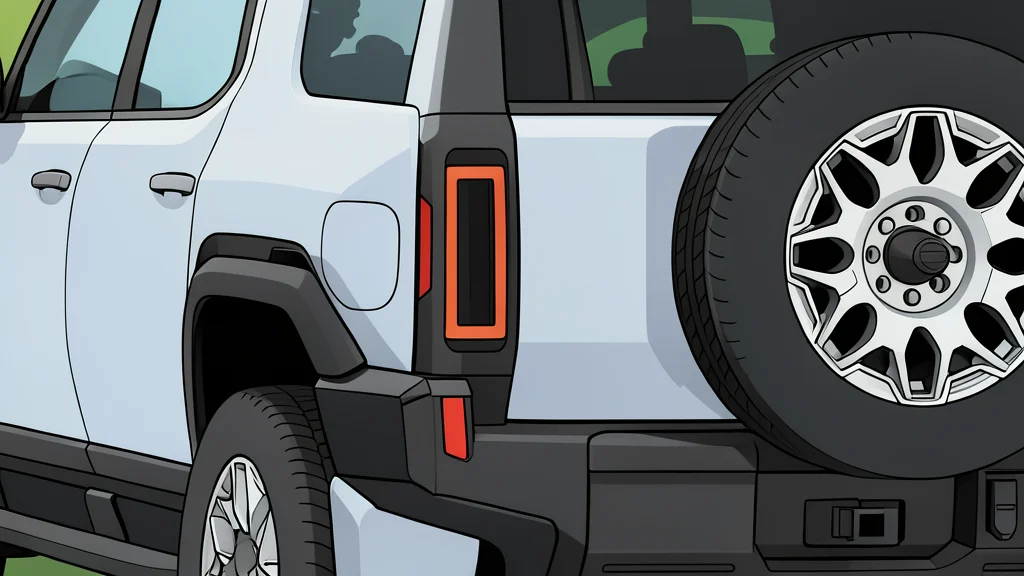
Standard foam fails against EV battery fires. Crews must use massive water volumes or wait for packs to burn out completely.
Key points
- Foam is ineffective against electric vehicle fires and can worsen the situation.
- Battery cells can trigger a runaway reaction that leads to explosions.
- Firefighters must locate specific disconnects to cut power to the battery.
Springfield, Mo. (KY3) - Local fire crews are adapting to new dangers as electric vehicles increase. Lithium-ion battery fires present distinct risks compared to traditional gasoline engine fires.
These fires burn hotter and emit toxic chemicals. They can even reignite hours after crews initially arrive at the scene. This creates a prolonged hazard for emergency responders.
Standard foam fails to stop EV fires
Traditional car fires often require a few hundred gallons of water or foam. However, foam does not work on electric vehicle fires. It might knock down the flames temporarily, but it is actually worse for the battery.
Battalion Chief John Brossman explains that crews must use as much water as possible. If they cannot control the fire immediately, they may have to let the vehicle burn out. This is a significant shift from standard extinguishing methods.
Battery malfunctions cause dangerous runaway reactions
Most electric vehicle fires stem from battery system malfunctions. Firefighters worry about what they call "Runaways" within the battery packs. These components get super hot and can become explosive.
The heat from one cell transfers to the next, creating a chain reaction. This process can generate projectiles due to the intense heat. The risk of explosion is higher than in normal car fires.
Crews train to find specific battery disconnects
Firefighters undergo specialized training to handle high-voltage systems. They learn to locate vehicle-specific battery disconnects. This allows them to cut off the power source safely.
Training sessions involve manufacturers showing crews where these disconnects are located. Brossman notes that drivers should pull over if they smell burning plastic. They must call 911 immediately in such cases.